



In an era where agility and innovation define competitive advantage, businesses are constantly seeking ways to unlock their full potential. Enter cloud computing—a technological revolution that transcends traditional boundaries, enabling organizations to scale, adapt, and thrive in an ever-evolving landscape. But what does “unlocking potential” truly mean in this context? As enterprises navigate the complexities of modern markets, the cloud emerges not just as a tool, but as a catalyst for growth, collaboration, and transformation. This article explores how cloud computing is reshaping the business landscape, empowering companies of all sizes to harness new opportunities, streamline operations, and ultimately drive sustainable growth. Join us on this journey as we delve into the multifaceted ways in which the cloud can serve as a springboard for innovation and success.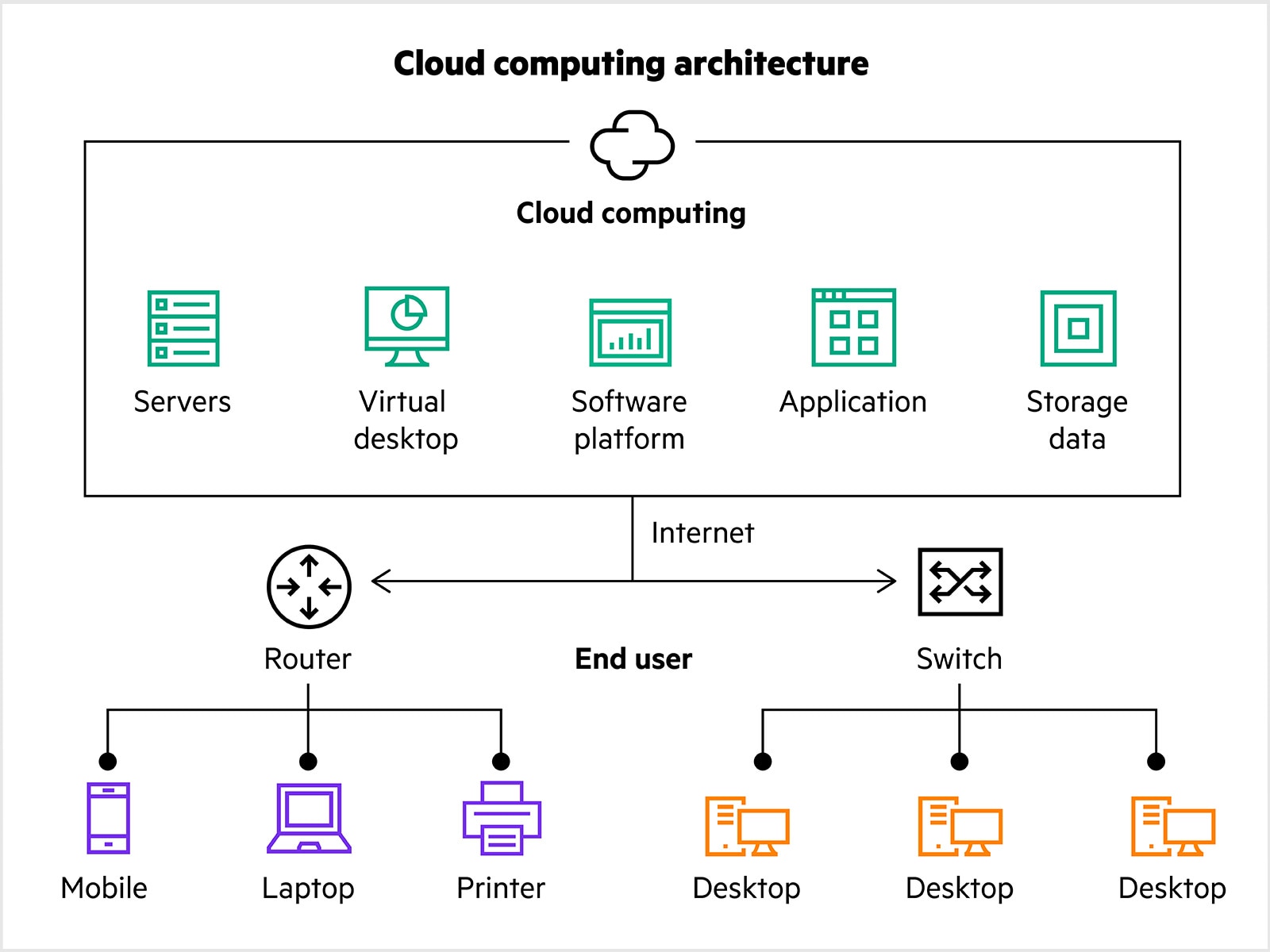
Exploring the Foundations: Understanding Cloud Computing in Today’s Business Landscape
In the rapidly evolving business landscape, cloud computing has emerged as a critical enabler for companies seeking to enhance efficiency and drive growth. By leveraging remote servers and networks, businesses can store, manage, and process their data in a flexible and scalable environment. This shift not only reduces the burden of the traditional IT infrastructure but also allows organizations to access advanced technologies with ease. Some key benefits include:
- Cost Efficiency: Reducing costs associated with hardware and maintenance.
- Scalability: Easily adjusting resources based on demand.
- Collaboration: Facilitating better teamwork through accessible tools.
Moreover, cloud computing fosters innovation by providing businesses with the agility to experiment and pivot quickly in response to market changes. Organizations can tap into powerful analytics and machine learning tools without significant upfront investment. As companies increasingly adopt cloud solutions, the competitive landscape is transforming. To illustrate this evolution, consider the following table highlighting the impact of cloud technologies across various industries:
| Industry | Key Benefit |
|---|---|
| Retail | Enhanced customer experience through personalized services. |
| Finance | Improved security and compliance capabilities. |
| Healthcare | Streamlined patient data management and telemedicine services. |

Maximizing Efficiency: Leveraging Cloud Solutions for Optimal Operational Performance
Cloud solutions are transforming the way businesses operate, offering a unique combination of flexibility and scalability that empowers organizations to enhance their efficiency. By migrating to the cloud, companies can leverage real-time data access, ensuring that teams have the information they need at their fingertips, regardless of location. This increased accessibility fosters collaboration across departments, streamlining workflows and reducing delays in decision-making processes. Additionally, cloud platforms facilitate automated updates and maintenance, allowing IT teams to focus on strategic initiatives rather than routine upkeep, which in turn boosts productivity.
Furthermore, the cost-effectiveness of cloud services cannot be overstated. By utilizing a pay-as-you-go model, businesses can avoid hefty upfront investments in hardware and software, freeing up capital for other critical areas of growth. The cloud not only minimizes operational costs but also contributes to optimal resource allocation. When coupled with advanced analytics and machine learning capabilities, cloud solutions enhance operational performance by allowing companies to identify trends and inefficiencies with ease. Adopting these integrated solutions paves the way for agile development, faster deployment of new applications, and a more dynamic approach to business strategies.

Scalability and Flexibility: Adapting Your Business Model with Cloud Infrastructure
In today’s fast-paced business environment, agility is key. Cloud infrastructure offers unmatched scalability, allowing organizations to expand or contract their resources quickly based on demand. This means your business can seamlessly adapt to seasonal fluctuations, project-based efforts, or sudden growth spurts without the need for hefty investments in physical hardware. By leveraging cloud services, companies can take advantage of on-demand resources, ensuring they only pay for what they use, contributing to overall cost efficiency and enhanced cash flow.
Moreover, cloud solutions empower businesses with the flexibility to innovate rapidly. With the ability to adopt new technologies and tools at a moment’s notice, companies can integrate custom applications, streamline operations, and improve customer engagement. The following factors illustrate how cloud infrastructure supports this flexibility:
- Rapid Deployment: Launch new services in hours, not days.
- Resource Optimization: Allocate resources based on real-time analytics.
- Geographic Flexibility: Operate from multiple locations without added overhead.

Innovative Growth Strategies: Harnessing Cloud Technologies for Competitive Advantage
In the rapidly evolving digital landscape, businesses must adapt to remain competitive. Cloud technologies provide a versatile platform for organizations to innovate and grow. By leveraging cloud computing, companies can achieve greater agility, enabling them to respond swiftly to market changes and customer demands. Key strategies include:
- Scalability: Seamlessly adjust resources to match growth without hefty investments in physical infrastructure.
- Cost Efficiency: Pay-as-you-go models eliminate the need for large upfront costs, allowing funds to redirect towards strategic initiatives.
- Remote Accessibility: Empower teams to collaborate effectively from any location, enhancing productivity and fostering innovation.
Furthermore, cloud technologies allow businesses to harness data analytics to gain valuable insights that drive decision-making. A well-structured cloud ecosystem can facilitate real-time data collection and analysis, helping organizations identify trends and bolster customer engagement. Consider the following benefits:
| Benefit | Description |
|---|---|
| Enhanced Security | Robust security protocols protect sensitive data, instilling customer confidence. |
| Improved Collaboration | Unified platforms foster teamwork, leading to innovative solutions. |
| Continuous Updates | Automatic software updates ensure that businesses stay ahead of technological advancements. |
The Way Forward
As we reflect on the transformative power of cloud computing, it becomes clear that the digital sky is not just a technical landscape but a fertile ground for growth and innovation. Businesses that embrace this technology are not merely adapting; they are unlocking a treasure trove of potential that redefines what success looks like in the modern marketplace.
From enhancing operational efficiency to facilitating unprecedented collaboration and scalability, cloud computing offers tools that empower organizations to turn challenges into opportunities. As we move forward into a future increasingly shaped by digital solutions, fostering a culture of agility and technological adaptability will be paramount.
So, as we close this chapter on cloud computing’s role in business growth, we encourage you to look beyond the algorithms and data centers. Embrace this evolution, and harness the cloud’s capabilities to drive your enterprise toward new horizons. The potential is vast—it’s time to soar.