
In a world where flexibility and creativity often take center stage, the gig economy emerges as a vibrant canvas for professionals seeking to blend passion with purpose. Among the most dynamic players in this evolving landscape is the graphic designer, an architect of visual storytelling navigating a realm filled with opportunities and challenges. As companies increasingly turn to freelance talent to meet their design needs, understanding the nuances of this flexible work model has never been more crucial. This guide will unfurl the essential tools, strategies, and insights necessary for graphic designers to thrive in the freelance arena, empowering them to harness their artistic vision while successfully navigating the complexities of client relationships, self-management, and industry demands. Whether you’re a seasoned designer contemplating the leap into freelancing or a budding artist eager to make your mark, join us as we explore the pathways to success in the ever-evolving gig economy.
Freelance Writing
thrives in the gig economy, offering a unique opportunity for individuals to transform their creative skills into a viable career. Whether you’re drafting compelling blog posts, crafting engaging website copy, or compiling insightful articles, the freedom that comes with freelance work can be exhilarating. To excel in this field, consider honing the following essential skills:
- Research proficiency: Ability to gather relevant information quickly.
- Adaptability: Comfort in writing across various genres and topics.
- Time management: Meeting deadlines while maintaining quality.
- Networking: Building relationships with clients and fellow writers.
Many freelancers find that creating a personal brand is crucial for attracting clients. Establishing a professional online presence can set you apart in a crowded marketplace. Here are some key components to consider for your brand:
| Element | Description |
|---|---|
| Portfolio | Your showcase of past work, demonstrating versatility and style. |
| Website | A personal site to host your portfolio and content for potential clients. |
| Social Media | Platforms to engage with your audience and share your expertise. |
| Testimonials | Reviews and feedback from previous clients to bolster credibility. |

Freelancing Platforms
have become the backbone of the gig economy, especially for aspiring graphic designers. These online marketplaces connect creatives with clients looking for specific design expertise, streamlining the hiring process. From intricate logo designs to impactful branding projects, the right platform can provide diverse opportunities. Here are some of the most popular to consider:
- Upwork: A comprehensive platform with a vast range of job postings in various design categories.
- Fiverr: Best for designers to showcase unique services starting at $5, appealing to clients on a budget.
- Freelancer: Offers competitive bidding and various project types, from short tasks to long-term contracts.
- 99designs: Specifically for designers, allowing them to enter contests or get hired by clients directly.
- DesignCrowd: A unique platform where designers can submit their work for specific projects and clients choose the best designs.
When choosing the right freelancing platform, consider key factors like user interface, fees, and client feedback. Each platform comes with its own set of features that cater to different styles and goals. A comparative overview can help you decide which one suits your needs the best:
| Platform | Fees | Best For |
|---|---|---|
| Upwork | 20% on first $500 | Diverse opportunities |
| Fiverr | 20% per sale | Budget-friendly services |
| Freelancer | 10% or $5, whichever is greater | Bidding on projects |
| 99designs | Varies by project | Design contests and direct hires |
| DesignCrowd | 15% commission | Participating in design contests |

Freelance Graphic Design
offers a unique blend of creativity and flexibility, allowing designers to express their artistic vision while choosing projects that resonate with their passions. To thrive in this dynamic field, it’s essential to build a strong portfolio that demonstrates your style and expertise. An effective portfolio should include:
- Diverse examples showcasing different types of design work.
- Case studies that explain your design process and problem-solving skills.
- Client testimonials that highlight your professionalism and effectiveness.
Networking is another key aspect to succeed as a er. Cultivating relationships through social media, design events, and community groups can open doors to potential collaborations and clients. To connect with fellow creatives and industry professionals, consider:
| Networking Opportunities | Description |
|---|---|
| Design Meetups | In-person gatherings to share ideas and showcase work. |
| Online Platforms | Websites like Behance and Dribbble to display your portfolio and network. |
| Social Media Groups | Facebook and LinkedIn groups focused on graphic design topics. |

Freelance Web Development
The world of presents a unique opportunity for professionals to harness their skills in an ever-evolving landscape. As a freelancer, you can customize your workflow to suit your personal strengths and the specific needs of clients, leading to both creative fulfillment and financial growth. Key advantages include:
- Flexibility: Choose your projects and set your own hours.
- Diverse Clients: Work with a variety of industries, enhancing your portfolio.
- Skill Enhancement: Continuously learn new technologies and design trends.
However, thriving as a freelance web developer requires strategic planning and effective self-promotion. Establishing an online presence through a professional portfolio is crucial, as it showcases your projects and skills to potential clients. Utilize platforms such as:
- Behance – Showcase your work to a broad audience.
- GitHub – Share your code and collaborate with others.
- LinkedIn – Network with industry professionals and showcase your expertise.
| Essential Tools | Purpose |
|---|---|
| Visual Studio Code | Code editing and debugging |
| Figma | UI/UX design collaboration |
| Slack | Team communication |

Freelance Marketing Consultant
As a , you hold a unique position in the bustling gig economy, bridging creativity and strategy to help brands thrive. Your role goes beyond just providing marketing insights; it involves deeply understanding client needs and executing tailored strategies. To excel in this domain, consider focusing on the following key aspects:
- Client Relationships: Establish strong, trust-based relationships with your clients. Regular communication and transparency can lead to long-term collaborations.
- Market Research: Always stay updated on the latest trends and consumer preferences. This knowledge allows you to craft relevant marketing strategies.
- Brand Strategy: Help clients define their unique value propositions and messaging that resonates with their target audience.
In addition to these foundational practices, leveraging technology can optimize your freelance marketing efforts. Use various tools for project management and analytics to track your success effectively. Below is a simple overview of essential marketing tools:
| Tool Name | Function |
|---|---|
| Hootsuite | Social Media Management |
| Google Analytics | Website Traffic Analysis |
| Canva | Graphic Design |
| Mailchimp | Email Marketing |

Freelancing for Beginners
Starting your journey as a freelancer in graphic design can feel overwhelming, but breaking it down into manageable steps makes the transition smoother. Begin by establishing a strong portfolio that showcases your best work; this will be your primary marketing tool. Focus on gathering a variety of pieces that highlight your skills and versatility, including:
- Logos and Branding: Create eye-catching designs that communicate brand identity.
- Social Media Graphics: Develop engaging visuals tailored for different platforms.
- Print Materials: Include flyers, posters, or brochures to show your capability in physical media.
Next, it’s critical to build a network and establish your presence online. Utilize platforms such as Behance, Dribbble, or even your own website to increase visibility. Engage with potential clients through social media and freelance job platforms, ensuring that you maintain a professional demeanor. When pricing your services, consider the following factors:
| Factor | Consideration |
|---|---|
| Experience Level | Choose a rate that reflects your skills and expertise. |
| Project Complexity | More complex projects may warrant higher fees. |
| Client Budget | Be flexible but ensure you value your work appropriately. |
Freelance Project Management
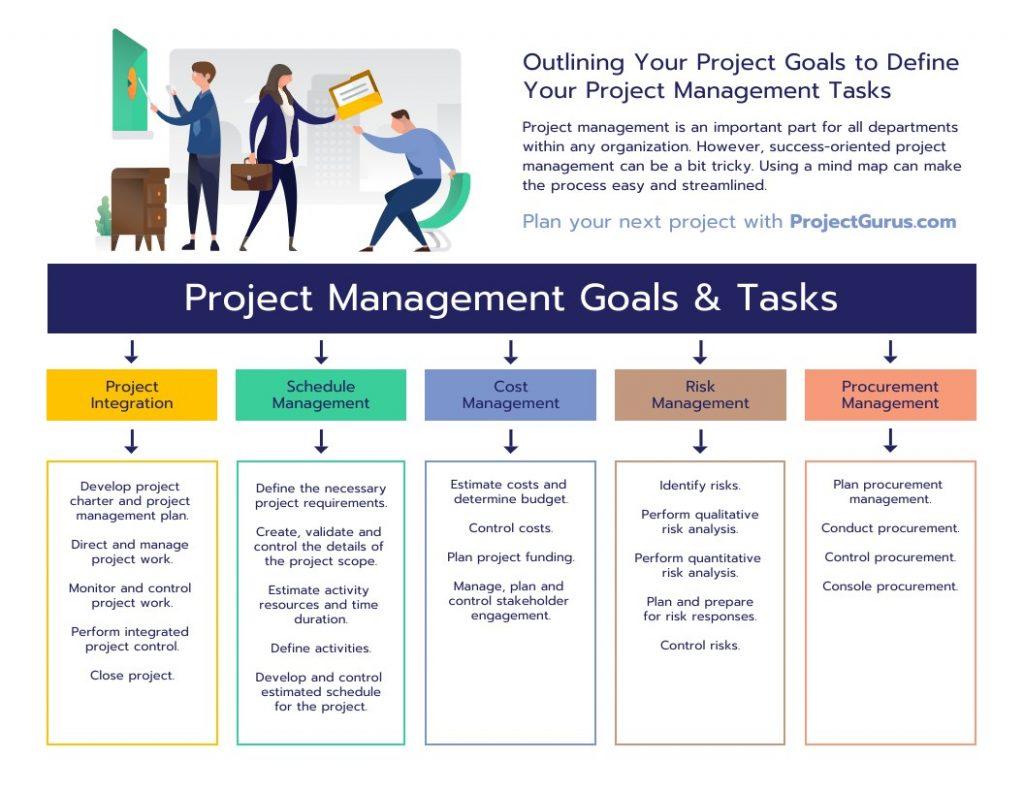
As a freelance graphic designer, mastering project management skills is pivotal to delivering outstanding results and maintaining client satisfaction. Organizing tasks effectively ensures that deadlines are met and that the creative process flows smoothly. Consider implementing the following strategies to enhance your project management approach:
- Set Clear Objectives: Define project goals and deliverables upfront to align with client expectations.
- Use Project Management Tools: Utilize software like Trello or Asana to track progress and manage tasks.
- Establish Timelines: Break projects into phases with specific deadlines, allowing ample time for revisions.
- Regular Communication: Maintain consistent updates with clients to foster trust and transparency.
Additionally, adopting a systematic approach to feedback can streamline revisions and improve the final product. Creating a feedback loop that involves:
| Step | Action |
|---|---|
| 1 | Present initial designs for review. |
| 2 | Collect and consolidate client feedback. |
| 3 | Implement changes and refine the design. |
| 4 | Repeat until final approval is achieved. |
This organized and collaborative approach not only leads to higher client satisfaction but also elevates the quality of your work, establishing a solid reputation within the competitive landscape of freelancing.

Remote Freelance Jobs
In the ever-evolving landscape of the gig economy, remote freelance opportunities in graphic design are blossoming. This flexibility allows designers to choose their projects, create their own schedules, and work from anywhere in the world. Whether you’re a seasoned professional or a newcomer to the field, the potential for growth and creativity is immense. Here are some popular freelance avenues to explore:
- Branding Projects: Help businesses establish their identity by designing logos, packaging, and marketing materials.
- Website Design: Create visually appealing and user-friendly websites that enhance the user experience.
- Social Media Graphics: Produce captivating images and layouts for various social platforms to engage audiences.
- Print Design: Craft brochures, flyers, and other printed materials that capture attention and convey information effectively.
To facilitate a successful freelance career, it’s crucial to set competitive rates while maintaining quality. Researching industry standards and understanding the value of your unique skills can give you an edge. Below is a simple table to help you compare pricing strategies based on project type:
| Project Type | Typical Rate Range |
|---|---|
| Logo Design | $300 – $2,500 |
| Website Design | $1,000 – $10,000 |
| Social Media Kit | $150 – $1,000 |
| Brochure Design | $200 – $1,500 |

Freelance Photography
In the vibrant world of , creativity meets opportunity. Freelancers have the unique advantage of choosing their projects, allowing them to cultivate a portfolio that reflects their personal style and artistic vision. However, succeeding in this competitive landscape requires more than just a good eye for detail. To thrive, photographers must develop essential skills to manage their business efficiently.
The following strategies can help photographers navigate their freelance journey:
- Build a Strong Portfolio: Showcase your best work, ensuring it aligns with your target clientele.
- Network Actively: Attend industry events, join photography groups, and connect with potential clients on social media platforms.
- Set Clear Pricing: Establish competitive rates for your services while considering your skill set and experience.
- Market Yourself: Utilize social media, website blogs, and online galleries to reach a broader audience.
- Stay Organized: Use tools for scheduling, invoicing, and project management to streamline your workflows.
| Photography Niche | Pros | Cons |
|---|---|---|
| Portrait Photography | High demand, creative expression | Requires excellent interpersonal skills |
| Event Photography | Vibrant subjects, diverse clientele | Stressful environment and time constraints |
| Product Photography | Stable clients, commercial contracts | Can be repetitive, requires a strong understanding of branding |

Freelance Video Editing
In the dynamic world of freelance work, video editing stands out as a captivating niche, combining technical skills with artistry. As a freelance video editor, you have the unique opportunity to transform raw footage into polished narratives that resonate with audiences. The key to thriving in this space lies in mastering various editing software, adhering to industry standards, and understanding client needs. Whether it’s crafting compelling promotional videos, editing vlogs, or producing cinematic short films, the versatility of video projects can keep your portfolio fresh and engaging.
A successful freelance video editor not only needs creativity but also a strategic approach to project management. Consider the following essential tips to enhance your editing journey:
- Build a Robust Portfolio: Showcase a diverse range of work that demonstrates your editing style and capabilities.
- Network Actively: Engage with other creatives and potential clients through social media and professional platforms.
- Set Clear Expectations: Define project timelines, deliverables, and payment terms upfront to create a smooth workflow.

Freelance Social Media Manager
In today’s digital landscape, the role of a social media manager has become crucial for brands looking to establish their identity and engage with their audience effectively. As a freelancer in this field, you’ll act as the voice of your clients, crafting compelling narratives and visual content that resonates with diverse demographics. This role requires a unique blend of creativity, analytical skills, and social savvy, enabling you to develop strategies that enhance brand awareness and drive traffic across platforms. Consider these essential tasks you might undertake:
- Creating compelling content calendars
- Designing eye-catching graphics tailored to brand aesthetics
- Engaging with the audience through comments and DMs
- Analyzing performance metrics to optimize campaigns
- Staying updated on industry trends to keep content fresh
Securing clients as a means not only showcasing your graphic design skills but also proving your capability to deliver measurable results. A structured approach to client management can streamline your efforts and position you as a reliable partner. Here’s a simple table to visualize your potential client engagement strategy:
| Strategy | Purpose |
|---|---|
| Regular Check-ins | Foster open communication and adjust strategies |
| Monthly Reports | Assess performance and justify efforts |
| Feedback Loops | Incorporate client preferences into future tactics |

Freelance SEO Expert
As the online marketplace continues to expand, the demand for specialized skills in SEO has skyrocketed, offering lucrative opportunities for freelancers in this field. A possesses the ability to elevate websites in search engine rankings, driving organic traffic, and enhancing online visibility. With an ever-evolving landscape of algorithms and guidelines, staying updated is vital. Here are some key skills and tools that can help a thrive:
- Keyword Research: Mastering tools like Google Keyword Planner and SEMrush.
- On-Page Optimization: Focus on meta tags, headers, and content structure.
- Analytics Proficiency: Utilizing Google Analytics and Google Search Console.
A must also understand the importance of building strong relationships with clients. Communication skills play a crucial role in understanding client needs and delivering tailored solutions. Providing regular updates and reports ensures transparency and builds trust. Consider incorporating the following strategies to improve client retention:
| Strategy | Description |
|---|---|
| Regular Check-Ins | Schedule monthly calls to discuss progress and adjust strategies. |
| Transparent Reporting | Deliver comprehensive analytics reports showcasing performance improvements. |
| Continuous Education | Offer insights on the latest SEO trends and changes within the industry. |

Freelance Copywriting
As the demand for compelling content surges in the digital realm, mastering the art of can be a game-changer for graphic designers looking to diversify their offerings. By honing your ability to weave words that resonate with target audiences, you can effectively enhance your services and increase your income streams. Here are some essential skills to develop:
- Understanding SEO: Optimize your writing for search engines to boost visibility.
- Adapting Tone: Tailor your writing style to match the client’s brand voice.
- Time Management: Balance projects efficiently to meet deadlines without compromising quality.
- Research Skills: Gather relevant information to craft informative and persuasive content.
To attract clients, consider offering packages that combine your graphic design and copywriting services, thereby providing a comprehensive solution that meets a variety of needs. Craft a clear portfolio to showcase your writing samples alongside your design work—this will illustrate your versatility. Below is a simple yet effective table to help you outline your offerings:
| Service Package | Description | Price |
|---|---|---|
| Basic Package | 1 Blog Post + Simple Graphic | $150 |
| Deluxe Package | 3 Blog Posts + Infographic | $400 |
| Premium Package | Web Copy + Full Branding Design | $800 |
Freelance Business Tips
Building a successful freelance graphic design business requires more than just talent; it hinges on effective strategies that can set you apart in a competitive market. Start by defining your niche—identifying your unique style and the services you excel in helps attract the right clients. Craft a compelling portfolio that showcases your best work, emphasizing the variety in your skill set but maintaining a cohesive theme. Don’t underestimate the power of networking: connect with other designers, potential clients, and industry professionals on platforms like LinkedIn, Behance, or offline at local events. Always remember to seek feedback and stay open to constructive criticism; it’s a vital part of growing as a designer.
The gig economy thrives on clear communication and excellent client relationships. Set expectations early with detailed contracts that outline project scope, deadlines, and payment terms. This transparency can prevent misunderstandings and showcase your professionalism. Utilize productivity tools like Trello or Asana to manage your projects efficiently. Regularly update your clients and encourage feedback loops throughout the design process to ensure that their vision aligns with your execution. don’t forget the importance of self-promotion; sharing your work on social media, entering design competitions, and even creating content around your expertise can further enhance your visibility and client reach.

Freelance Rates and Pricing
Determining your rates as a freelance graphic designer is a critical step in establishing a sustainable career. Many factors influence how much you can charge, including your level of experience, the complexity of the project, and the market demand for your services. Here are some common pricing structures you might consider:
- Hourly Rate: Charging by the hour can be beneficial for projects with undefined scopes or ongoing collaboration.
- Project-Based Pricing: For well-defined projects, setting a flat fee can be appealing for both you and your client, offering clarity and transparency.
- Value-Based Pricing: When the perceived value of your work is high, consider charging based on the benefits your design brings to the client’s business.
When setting your rates, research what other designers in your area and skill level are charging. Below is a simple table comparing the average rates for graphic designers based on experience:
| Experience Level | Average Hourly Rate |
|---|---|
| Entry-Level | $20 – $35 |
| Mid-Level | $35 – $65 |
| Senior Level | $65+ |
Feel free to adjust the rates to align with your skills and the value you provide to clients. Remember, open communication about pricing and deliverables can foster trust and long-lasting relationships with clients.
Building a Freelance Portfolio
Creating a standout portfolio is essential for any freelancer in the graphic design sphere. Your portfolio serves as a visual resume, showcasing not just your completed projects but also your unique style and expertise. Begin by selecting a cohesive range of work that reflects your strengths and the niches you wish to pursue. Organize your projects into categories, such as branding, web design, and illustration, allowing potential clients to navigate through your skills easily. Make sure to include a short description alongside each piece, detailing the brief, your approach, and the outcomes. This context adds depth and showcases your problem-solving abilities.
Additionally, don’t underestimate the power of storytelling in your portfolio. Craft a narrative around your top projects to engage viewers and make them memorable. Consider using a combination of high-quality images, mockups, and even videos to bring your designs to life. It’s also valuable to display client testimonials—these add credibility and provide insight into your working style. You might even create a simple table to summarize the key aspects of your services:
| Service | Description | Price Range |
|---|---|---|
| Logo Design | Custom logo creation tailored to your brand’s identity. | $200 – $800 |
| Web Design | User-friendly and responsive website designs. | $500 – $3000 |
| Print Design | High-quality print materials like business cards and brochures. | $100 – $600 |

Freelance Contract Templates
When diving into the world of freelance graphic design, having a well-structured contract is essential. A contract not only protects your rights as a designer but also clarifies the expectations of both parties involved. can serve as effective starting points, ensuring you cover all the necessary elements without reinventing the wheel. Key components to include in your template are:
- Scope of Work: Clearly define the services you will provide.
- Compensation: Specify your fees, payment schedule, and acceptable methods of payment.
- Deadlines: Set clear timelines for project milestones and final delivery.
- Copyright and Ownership: Address who retains ownership of the designs once completed.
- Termination Clause: Outline conditions under which either party can terminate the agreement.
Utilizing a template can standardize your workflow and save you time while still allowing you the flexibility to customize contracts based on individual client needs. As you build your portfolio, consider using the following simplified table to outline package options for potential clients:
| Package | Details | Price |
|---|---|---|
| Logo Design | Custom logo concepts, 3 revisions | $300 |
| Social Media Kit | Profile & cover images for 3 platforms | $150 |
| Brand Identity | Complete branding package, 5 items | $850 |

Freelance Time Management
Effectively managing time as a freelance graphic designer is crucial to meeting deadlines and ensuring client satisfaction. One of the most effective strategies is to implement a structured schedule that prioritizes projects based on their urgency and complexity. Consider using time-blocking techniques to allocate specific hours of the day dedicated to various tasks, such as brainstorming ideas, designing, and revisions. This method not only enhances productivity but also helps in maintaining a healthy work-life balance. Here are some key practices to keep in mind:
- Set clear goals: Define what you aim to accomplish each day.
- Utilize project management tools: Apps like Trello or Asana can aid in tracking progress.
- Limit distractions: Designate a workspace that minimizes interruptions.
Another essential aspect of time management is understanding your peak working hours. Everyone has moments during the day when they feel most creative and energized. By identifying these high-performance periods, you can schedule the most demanding or creative tasks during those times. Additionally, regular breaks are vital to sustain creativity and agility. Consider employing the Pomodoro Technique, which promotes short breaks to enhance focus. This can significantly improve your efficiency over time. Below is a simple breakdown of tips to maximize your output:
| Tip | Description |
|---|---|
| Plan Weekly | Ahead of time, outline your tasks for the week. |
| Stay Flexible | Be prepared to adjust your schedule for unexpected changes. |
| Review Daily | Set aside time each evening to evaluate what was completed. |

Freelance Networking
Building a robust network is crucial for any freelancer navigating the gig economy, especially in graphic design. Connecting with fellow designers, clients, and industry professionals can open doors to new projects and collaborative opportunities. Here are a few effective ways to expand your network:
- Attend Design Conferences: Participate in local or international design events to meet potential clients and peers who inspire you.
- Join Online Communities: Engage with graphic design communities on platforms like Behance, Dribbble, and LinkedIn to showcase your work and connect with other creatives.
- Utilize Social Media: Share your process and projects on Instagram and Twitter while engaging with hashtags relevant to your field.
- Network Locally: Attend local meetups or workshops to build relationships within your city.
Strengthening connections within your network can lead to referrals and collaborations, which are vital for freelancers. Here’s a simple overview of essential networking strategies:
| Strategy | Benefits |
|---|---|
| Mentorship | Gain insights and experience from established professionals in the field. |
| Collaborative Projects | Expand your portfolio and reach new audiences by working with others. |
| Follow-ups | Keep your connections warm through regular check-ins and updates. |
| Networking Events | Meet potential clients and other freelancers in a relaxed environment. |

Freelancing in Tech
In the dynamic landscape of technology, freelancing offers a space where creativity and innovation flourish. Graphic designers can leverage their skills by tapping into various platforms that cater to the gig economy. These platforms not only provide job opportunities but also allow designers to connect with clients across the globe, creating a diverse portfolio. Key considerations when starting your freelance journey include:
- Portfolio Development: Curate a collection of your best work.
- Client Relationship Management: Communicate effectively and manage expectations.
- Branding Yourself: Create a personal brand that resonates with your target audience.
- Continuous Learning: Stay updated on design trends and tools.
Navigating the gig economy requires an understanding of both the opportunities and challenges in freelancing. Building a stable client base often involves offering competitive pricing while maintaining the quality of work. Consider using a table to outline your services, pricing structure, and timeline expectations:
| Service | Price | Delivery Time |
|---|---|---|
| Logo Design | $300 | 1 week |
| Social Media Graphics | $150 | 3 days |
| Website UI/UX Design | $500 | 2 weeks |
This clarity not only attracts clients but also sets professional boundaries, ensuring that both parties have a mutual understanding of the work being delivered.

Freelance Taxes and Accounting
As a graphic designer freelancing in the gig economy, understanding your tax responsibilities is essential for maintaining financial health. Freelancers are typically considered self-employed, which means that you won’t have taxes withheld from your earnings as you might in a traditional job. Instead, you’ll need to estimate your quarterly taxes and set aside sufficient funds to cover these obligations. Failure to pay taxes on time can lead to penalties, so it’s wise to keep track of your income and expenses throughout the year. Make it a habit to organize your receipts and invoices for better financial clarity.
One effective strategy to manage your finances is to create a dedicated business account. This helps you separate personal expenses from business transactions, simplifying your accounting process. Consider using accounting software or hiring a professional accountant who understands the nuances of freelancing. Below are essential items to monitor:
- Income Receipts: Maintain records of all payments received for your design work.
- Expense Tracking: Document costs associated with software, hardware, and other business-related expenses.
- Tax Deductions: Familiarize yourself with potential deductions like home office costs and professional development expenses.
To further simplify your financial planning, you may want to create a table summarizing your income sources and expected expenses. This format helps provide clarity on your cash flow:
| Income Source | Expected Monthly Income | Monthly Expenses |
|---|---|---|
| Client A | $1,500 | $300 |
| Client B | $2,000 | $450 |
| Online Sales | $500 | $100 |

Freelance Client Retention
Building long-lasting relationships with clients is essential to thriving in the gig economy, especially in the graphic design field. To ensure clients return for your services, consider implementing strategies that focus on communication and consistency. Regular check-ins can help you stay attuned to their evolving needs, while promptly addressing feedback demonstrates your commitment to their vision. Additionally, creating a personalized experience can significantly increase loyalty; take time to understand their brand and values, so your designs feel aligned and authentically represent their identity.
Offering incentives can also be effective in retaining clients. For example, you might create package deals for repeat business or provide loyalty discounts after a certain number of projects. Here are a few ideas to keep your clients engaged and invested in your work:
- Exclusive Updates: Share insights about trending design techniques or tools that may benefit their brand.
- Referral Bonuses: Encourage satisfied clients to spread the word by offering a discount on their next project for each referred customer.
- Anniversary Gifts: Send a small token of appreciation on the anniversary of your collaboration to remind them of your shared accomplishments.
| Retention Strategy | Description |
|---|---|
| Personalized Communication | Regularly check in with clients to understand their needs and gather feedback. |
| Incentives for Loyalty | Provide discounts or packages for repeat work to encourage further projects. |
| Quality Assurance | Ensure a high standard of work, leaving clients satisfied and wanting to return. |

Freelancing Full-Time vs Part-Time
Choosing between freelancing full-time or part-time is a crucial decision for graphic designers navigating the gig economy. Each option comes with its own set of advantages and challenges. Full-time freelancing offers the freedom to fully immerse yourself in projects, potentially leading to greater client loyalty and a more substantial portfolio. However, it often requires a relentless hustle for clients and income stability. On the other hand, part-time freelancing allows you to dip your toes into the gig world while maintaining the security of a regular job. This can provide a financial buffer, but may limit your ability to attract large clients or execute more complex projects due to time constraints.
When considering which path to take, it’s important to evaluate your personal circumstances and professional goals. Here’s a quick comparison of factors to consider:
| Factor | Full-Time | Part-Time |
|---|---|---|
| Income Stability | Riskier but potential for higher earnings | More predictable, but often lower |
| Time Commitment | All day, every day | Flexible hours |
| Client Acquisition | Continuous effort needed | Easier with existing job connections |
| Stress Level | Can be high | More manageable with job security |
Ultimately, the choice between full-time and part-time freelancing depends on your individual situation and how ready you feel to take on the challenges of the gig economy. Assess your financial needs, time availability, and passion for graphic design to make the best decision for your career.

Freelance Job Boards
In the ever-expanding landscape of freelance graphic design, job boards serve as vital platforms for connecting creative minds with businesses in need of design expertise. These sites are more than just job listings; they offer unique opportunities for networking, portfolio exposure, and skill enhancement. Some of the most widely used job boards include:
- Upwork – A comprehensive platform where freelancers can bid on projects tailored to their skill set.
- Freelancer – Features a wide variety of job categories, with a robust system for reputation and feedback.
- Fiverr – Encourages freelancers to offer specific services at set prices, making it easy for clients to find what they need quickly.
- 99designs – Focuses specifically on design projects, allowing graphic designers to participate in contests and direct projects.
- Behance – Excellent not only for job listings but also for showcasing your portfolio to a creative community.
When choosing a freelance job board, consider the following factors to ensure your success:
| Job Board | Target Audience | Fee Structure |
|---|---|---|
| Upwork | General Freelancers | Commission-based |
| 99designs | Design Professionals | Flat Fee |
| Fiverr | Service-oriented Buyers | Percentage of Earnings |
Understanding the landscape of these platforms will empower you to choose the ones that match your professional goals. Tailoring your approach to each board can maximize opportunities and help establish fruitful relationships with clients. Happy freelancing!
Freelance Branding Strategies
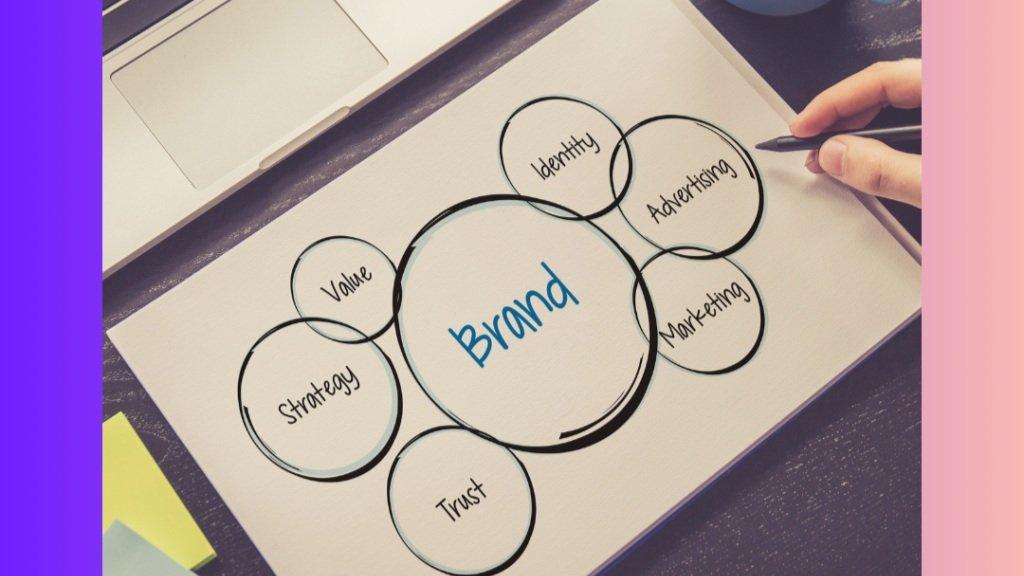
In today’s competitive landscape, establishing a strong and memorable identity is crucial for freelancers aspiring to stand out in the graphic design arena. Consider these key elements to craft your unique brand:
- Define Your Niche: Identify your specific style and the audience you want to reach. This helps in tailoring your marketing efforts effectively.
- Create a Portfolio: Develop a stunning online portfolio showcasing your best work. Use engaging visuals and captivating descriptions to tell your story.
- Leverage Social Media: Utilize platforms like Instagram, Pinterest, and Behance to share your designs and engage with potential clients.
- Build a Personal Website: A dedicated site not only serves as a portfolio but also establishes your professionalism. Include testimonials and a blog to showcase your expertise.
Another essential strategy is to cultivate relationships within the industry. Networking can lead to collaborations and referrals that significantly boost visibility. Consider the following tactics:
| Networking Tactics | Benefits |
|---|---|
| Attend Design Conferences | Meet potential clients and peers, expanding your professional circle. |
| Join Online Communities | Engage with fellow designers for support, feedback, and opportunities. |
| Collaborate on Projects | Gain exposure and new skills while working with others in your field. |
| Host Webinars or Workshops | Showcase your expertise, attracting attention from potential clients. |

Freelancing in Graphic Design
In the vibrant world of graphic design freelancing, creativity and entrepreneurship collide to form a unique career path. As a freelancer, you have the freedom to choose your clients, projects, and working hours. However, this also comes with the challenge of managing your brand and overcoming the unpredictability of income. To thrive in this space, it’s essential to build a compelling portfolio showcasing your best work and to engage with potential clients through various platforms. Networking plays a vital role, and platforms like Behance, Dribbble, and LinkedIn can help you connect with fellow designers and potential clients alike.
Establishing a strong online presence is crucial in attracting clients, as is mastering key tools of the trade. Graphic designers should be proficient in software such as Adobe Creative Suite, Figma, or Canva. Ability to communicate effectively with clients, manage multiple projects, and meet deadlines will set you apart in a competitive market. Here are some skills and tools to consider:
- Visual Communication: Ability to convey messages effectively through design.
- Time Management: Skills to prioritize tasks and meet deadlines.
- Client Relations: Effective communication and relationship-building.
- Software Proficiency: Mastering popular design tools.
| Skills | Importance |
|---|---|
| Creativity | Essential for unique design solutions. |
| Technical Skills | Fundamental for executing designs effectively. |
| Networking | Helps in gaining new clients and referrals. |
| Adaptability | Crucial for understanding diverse client needs. |

Freelance Personal Development
Freelancing in graphic design is not just about honing your technical skills; it’s equally an opportunity for personal growth. To thrive in this ever-evolving gig economy, it’s essential to cultivate a mindset that embraces challenges as stepping stones. Here are a few key aspects of personal development to consider:
- Self-Discipline: Establishing a consistent routine can significantly enhance productivity.
- Time Management: Mastering the art of prioritizing tasks will help you meet deadlines without sacrificing quality.
- Networking Skills: Building professional relationships can open doors to collaboration and new projects.
- Adaptability: The ability to pivot and embrace change is crucial in keeping your work relevant.
In addition to developing personal skills, seeking feedback and investing in education is vital. The graphic design landscape is continuously changing, which makes lifelong learning essential for staying ahead. Consider exploring the following resources:
| Resource | Type |
|---|---|
| Online Courses | Skill Development |
| Design Communities | Networking |
| Webinars | Industry Insights |
| Books and eBooks | Theoretical Knowledge |
By immersing yourself in these opportunities, you not only enhance your design abilities but also strengthen your personal brand in the freelancing world. Taking charge of your personal development is an ongoing journey that can lead to fulfilling successes and a vibrant career.

Freelance Income Diversification
Diversifying your freelance income streams is essential for thriving in the gig economy as a graphic designer. Relying solely on one client or one type of project can be risky and unsustainable in the long run. To mitigate this risk and enhance your financial stability, consider exploring various avenues that leverage your design skills. Here are a few strategies you might find beneficial:
- Offer multiple design services: Expand beyond traditional graphic design to include services like branding, web design, or social media content creation.
- Sell digital products: Create downloadable templates, logos, or graphics that can provide passive income over time.
- Teach your skills: Consider offering online courses or workshops to share your expertise while generating additional revenue.
- Join freelance platforms: Diversify your client base by signing up for various freelance job boards to reach different audiences.
In addition to these options, you may also want to explore collaborative opportunities. Partnering with other freelancers or small businesses can open doors to lucrative projects that cater to larger clients. This not only increases your visibility in the market but also enhances your portfolio. Below is a simple overview of potential collaborative opportunities:
| Collaboration Type | Description | Benefits |
|---|---|---|
| Designer Partnerships | Combine your skills with other designers for specialized projects. | Wider skill set and resources. |
| Agency Collaborations | Work with an agency to take on larger accounts. | Consistent workload and better pay. |
| Content Creators | Join forces with bloggers or influencers for media projects. | Increased exposure and audience reach. |

Freelance Career Growth
Growing a freelance career in graphic design requires a mix of strategic planning and creative exploration. As the gig economy evolves, designers must be adaptable and proactive in honing their skills. Key strategies include:
- Continuous Learning: Take online courses to learn new software or design techniques.
- Networking: Attend industry events and connect with fellow designers through social platforms.
- Portfolio Development: Regularly update your portfolio with personal projects and client work to showcase your evolving style.
- Brand Building: Establish a strong personal brand that reflects your design philosophy and attracts your ideal clients.
As you embark on this journey, consider tracking your progress and setting measurable goals. Use a planner or digital tool to manage projects, deadlines, and finances. Here’s a simple table to help you visualize your monthly goals:
| Month | Goal | Status |
|---|---|---|
| January | Learn Adobe Illustrator | In Progress |
| February | Network with 5 new clients | Completed |
| March | Complete 3 personal projects | Pending |
By setting clear, achievable objectives, you’re more likely to maintain momentum and continue growing your freelance business. This structured approach will enhance your skills and open doors to new opportunities within the dynamic landscape of graphic design.

Freelance Market Trends 2024
The freelance market in 2024 is set to witness a remarkable evolution, driven by technological advancements and shifting workforce dynamics. As more individuals opt for flexible work arrangements, graphic designers are experiencing increased demand for their creative services across a variety of industries. Companies are actively seeking diverse skill sets, compelling portfolios, and the ability to adapt to rapidly changing design trends. Some key factors influencing this trend include:
- Remote Work Expansion: The normalization of remote working conditions enables designers to collaborate with clients worldwide.
- AI Integration: The rise of AI tools in design processes demands that freelancers stay updated on software trends and technology.
- Niche Specialization: Designers focusing on specific industries or styles, such as sustainable design or UX/UI, are finding unique opportunities.
Along with these developments, the gig economy is also seeing a significant shift in how freelancers market their services. Established platforms and social media are becoming essential tools for self-promotion, allowing graphic designers to showcase their work and reach a broader audience. As competition grows, freelancers must prioritize building a robust online presence through various channels. The following table summarizes popular platforms and their unique features for graphic designers looking to establish their brand:
| Platform | Features |
|---|---|
| Behance | Portfolio showcase, community feedback |
| Dribbble | Networking opportunities, project visibility |
| Fiverr | Service packages, freelancing gigs |
| Visual storytelling, audience engagement |
The Conclusion
As we draw the curtain on our journey through the vibrant landscape of gig economy graphic design freelancing, it’s clear that this world brims with both challenges and opportunities. Whether you’re a seasoned designer or just embarking on your freelance adventure, the key to thriving lies in adaptability, continuous learning, and building a robust network.
Remember, freelancing isn’t merely about the work you produce; it’s also about the relationships you cultivate and the reputation you build in this fast-paced, ever-evolving marketplace. Equip yourself with the tools and strategies we’ve explored, and allow your creativity to flourish in ways you never imagined.
In essence, navigating the gig economy is much like crafting a dynamic design; it requires patience, foresight, and an understanding of your audience. So set your goals, stay inspired, and dive into the exciting realm of freelancing with confidence. The canvas is yours—paint it with your unique vision. Let the world see what you can create!