

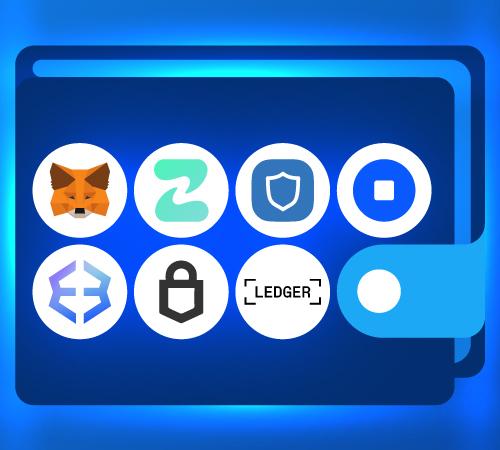

In the rapidly evolving world of digital finance, cryptocurrency wallets have emerged as essential tools for navigating the complex landscape of virtual currencies. As more individuals and businesses embrace the idea of decentralized finance, understanding the intricacies of wallets becomes paramount. This comprehensive guide seeks to unlock the future of cryptocurrency by demystifying the various types of wallets available—each one tailored to meet specific needs and preferences. From the security-conscious investor to the casual user, we will explore the features, benefits, and potential pitfalls of these digital vaults. Join us on this journey as we unravel the secrets of safeguarding your assets and making informed choices in the realm of cryptocurrencies. Whether you are a seasoned crypto enthusiast or a newcomer eager to enter the market, this guide will equip you with the knowledge necessary to make confident decisions in your crypto endeavors.
Exploring the Different Types of Cryptocurrency Wallets
In the vast realm of digital finance, cryptocurrency wallets serve as indispensable tools for storing, managing, and transacting cryptocurrencies securely. There are primarily three types of wallets: hardware wallets, software wallets, and paper wallets. Each type varies in terms of security, accessibility, and ease of use. For instance, hardware wallets, like ledger devices, store your cryptographic keys offline, making them immune to online hacks. Software wallets, which can be web-based, desktop, or mobile applications, offer a balance between security and convenience. Conversely, paper wallets involve printing your keys on a physical piece of paper, providing complete control, yet prone to physical damage or loss.
When choosing a wallet, consider your unique needs and how you intend to use your cryptocurrencies. Below are some key features to evaluate across different wallet types:
| Wallet Type | Security Level | Accessibility | Best For |
|---|---|---|---|
| Hardware Wallet | High | Low | Long-term storage |
| Software Wallet | Medium | High | Daily transactions |
| Paper Wallet | Very High | Very Low | Complete control |
Each wallet type presents distinct advantages and disadvantages, making it essential to align your choice with your goals. Being aware of the inherent trade-offs helps you navigate the landscape of cryptocurrency storage, ensuring you pick a wallet that suits your style and security requirements.
Essential Features to Look for in a Wallet
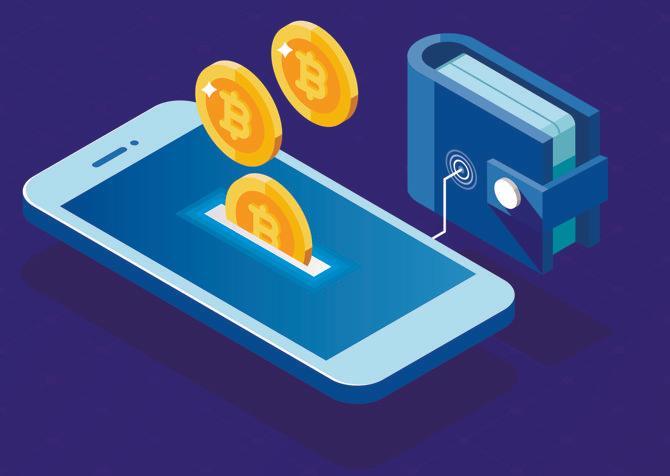
When selecting a cryptocurrency wallet, several key features stand out as essential for both security and usability. First and foremost is security: look for wallets that offer multi-factor authentication, end-to-end encryption, and backup options to mitigate the risk of loss. Also, consider whether the wallet is a hot wallet (connected to the internet) or a cold wallet (offline storage); cold wallets typically offer enhanced security against hacking attempts. Additionally, ensure that the wallet supports a diverse range of cryptocurrencies, allowing for versatility in managing your digital assets.
User experience is equally important, as a wallet’s interface can greatly affect how effectively you manage your investments. Seek wallets with a user-friendly design that facilitate easy transactions and account management. Features such as transaction fee customization, transaction history tracking, and seamless integration with exchanges can significantly enhance efficiency. Moreover, customer support is a vital component; choose wallets that provide robust support, including FAQs, community forums, or live chat options for immediate assistance when needed.
Best Practices for Securing Your Digital Assets
To safeguard your digital assets effectively, consider implementing multi-layered security strategies that minimize risks. Start by choosing a robust cryptocurrency wallet—ideally, a hardware wallet for the highest level of protection. These wallets store your private keys offline, making them less vulnerable to hacks. Additionally, regularly update your wallet software to benefit from the latest security patches. Remember to enable two-factor authentication (2FA) for an added layer of security. This simple step can significantly reduce the risk of unauthorized access to your accounts. Use complex, unique passwords and consider utilizing a password manager to help manage them securely.
It’s also essential to stay vigilant against phishing attacks, which can compromise even the most secure wallets. Always verify the URLs of websites you visit and avoid clicking on suspicious links in emails or messages. Consider using a dedicated, secure internet connection when managing your digital assets, omitting public Wi-Fi networks. Furthermore, maintaining backups of your wallet data in a secure location ensures you can recover your assets in case of device failure or loss. Implementing these methods will safeguard your investments and help fortify your presence in the cryptocurrency space.
Future Trends in Wallet Technology and User Experience
As the demand for cryptocurrency continues to rise, the world of wallet technology is poised for significant transformation. Innovation will likely center around enhancing both security and convenience, paving the way for wallets that seamlessly integrate with other financial tools and applications. Expect to see multi-signature wallets gaining traction, which require multiple private keys to authorize a transaction, significantly bolstering security. Additionally, the advent of hardware wallets with biometric authentication could revolutionize user experience by providing a balance of physical security and ease of access, ensuring that your assets remain safe yet readily available.
The user interface (UI) is set to become more intuitive, catering to both novice users and seasoned investors. Future trends may include AI-driven personal finance assistants integrated within wallets to provide tailored advice based on spending habits and portfolio performance. Moreover, the potential for cross-compatibility between various currencies and digital assets will necessitate a focus on streamlined user experiences that simplify management across multiple platforms. Innovations such as QR code payment options coupled with NFC capabilities promise to facilitate faster transactions, while educational modules could empower users with the knowledge they need to navigate the evolving cryptocurrency landscape confidently.
Wrapping Up
As we stand on the precipice of a digital frontier, the world of cryptocurrency wallets beckons with promises of innovation and opportunity. Navigating this evolving landscape may seem daunting, but armed with the insights from this guide, you are now equipped to make informed decisions that align with your financial objectives.
Whether you choose the security of hardware wallets, the convenience of mobile wallets, or the sophistication of software wallets, each option offers unique advantages tailored to different needs. Remember, the key to unlocking the true potential of cryptocurrency lies not just in the assets themselves, but in how securely and efficiently you manage them.
As the future unfolds, stay curious and vigilant. Keep an eye on emerging trends and technologies, and never hesitate to seek knowledge. The realm of cryptocurrency is not just a pathway to financial freedom; it is also an opportunity to participate in a transformative global movement. After all, every journey begins with a single step, and your adventure in the world of cryptocurrency wallets is just beginning. Embrace it with enthusiasm and responsibility, for the future is yours to unlock.