


In today’s fast-paced digital landscape, where the competition is fierce and consumer attention is fleeting, lead generation has emerged as a pivotal cornerstone for businesses aiming to thrive. Much like a master key unlocking a treasure chest of opportunities, an effective lead generation strategy can open doors to not just prospective customers, but also enduring relationships, brand loyalty, and sustainable growth. In this article, we will explore the art and science of crafting a lead generation strategy that aligns with your unique business goals, resonates with your target audience, and adapts to the ever-evolving market trends. Whether you’re a seasoned marketer or a budding entrepreneur, understanding the nuances of lead generation can be the catalyst that propels your success forward. Join us as we delve into the essential elements that make up a robust lead generation strategy and uncover the secrets to turning potential leads into lasting partnerships.
Understanding the Lead Generation Landscape
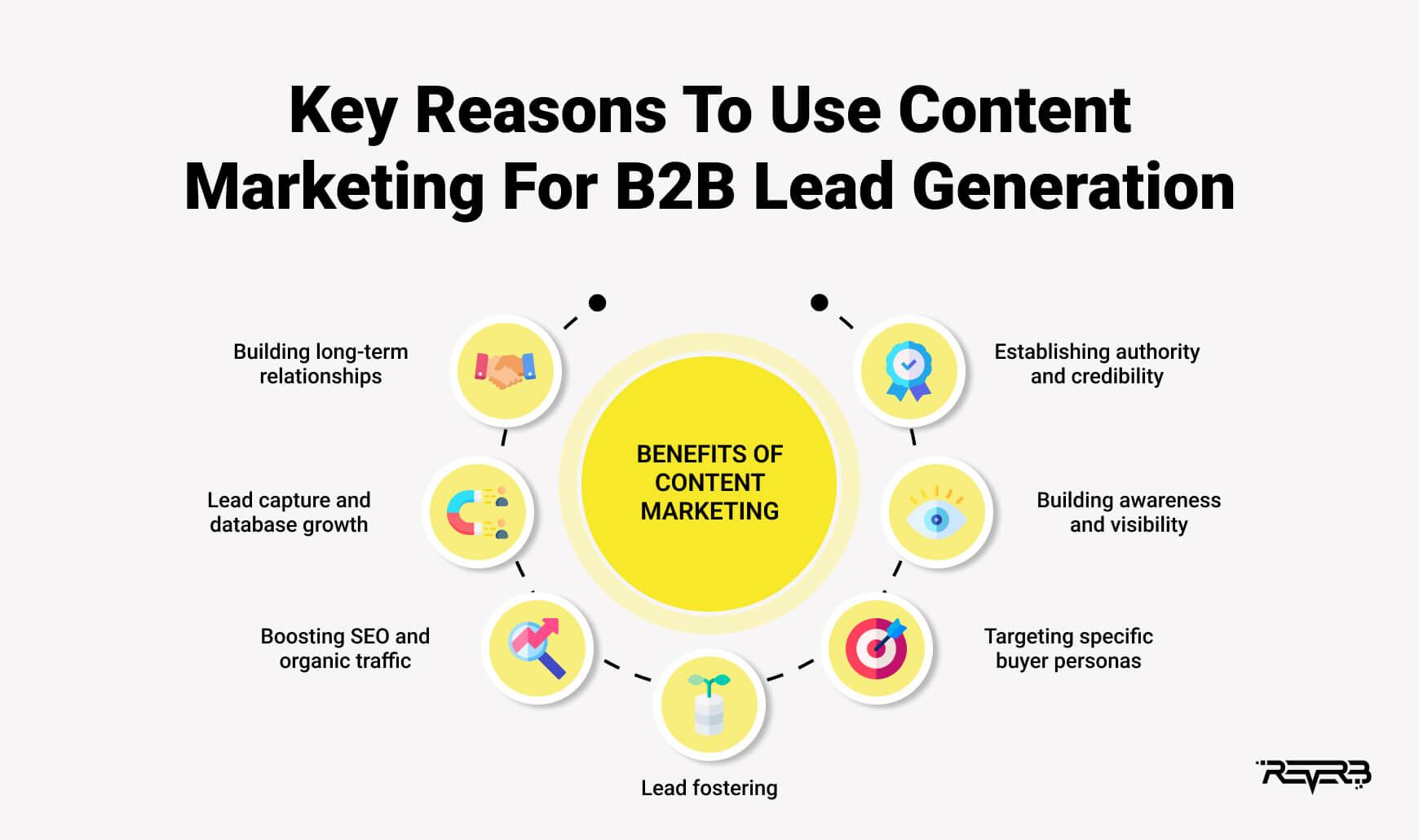
In today’s rapidly evolving business ecosystem, understanding the dynamics of lead generation is crucial for success. Companies must navigate a landscape filled with diverse platforms, consumer behaviors, and cutting-edge technologies. Various methods can be employed to capture potential clients, each with its own strengths and challenges. Consider the following key components that shape the lead generation landscape:
- Content Marketing: Crafting valuable content that attracts and engages prospects.
- Social Media: Utilizing platforms to foster relationships and generate interest.
- Email Campaigns: Sending personalized messages to nurture leads.
- SEO Strategies: Optimizing online presence for visibility in search engines.
- Paid Advertising: Investing in ads to reach a wider audience quickly.
The rise of digital channels has transformed traditional lead generation approaches, necessitating a strategic blend of tactics to optimize results. Marketers must be agile, continuously analyzing data to identify patterns and adjust their strategies on the fly. Employing tools like Customer Relationship Management (CRM) systems can assist in tracking interactions and refining the lead nurturing process. A comparison of common lead generation methods can be found in the table below, highlighting their advantages and considerations:
| Method | Advantages | Considerations |
|---|---|---|
| Content Marketing | Builds trust; establishes authority | Time-consuming; requires consistency |
| Social Media | High engagement; vast reach | Risk of negative feedback; algorithm changes |
| Email Campaigns | Direct communication; cost-effective | Spam filters; management of unsubscribes |
| Paid Advertising | Immediate visibility; targeted audience | Potential high cost; ad fatigue |
Key Components of a High-Impact Lead Generation Strategy
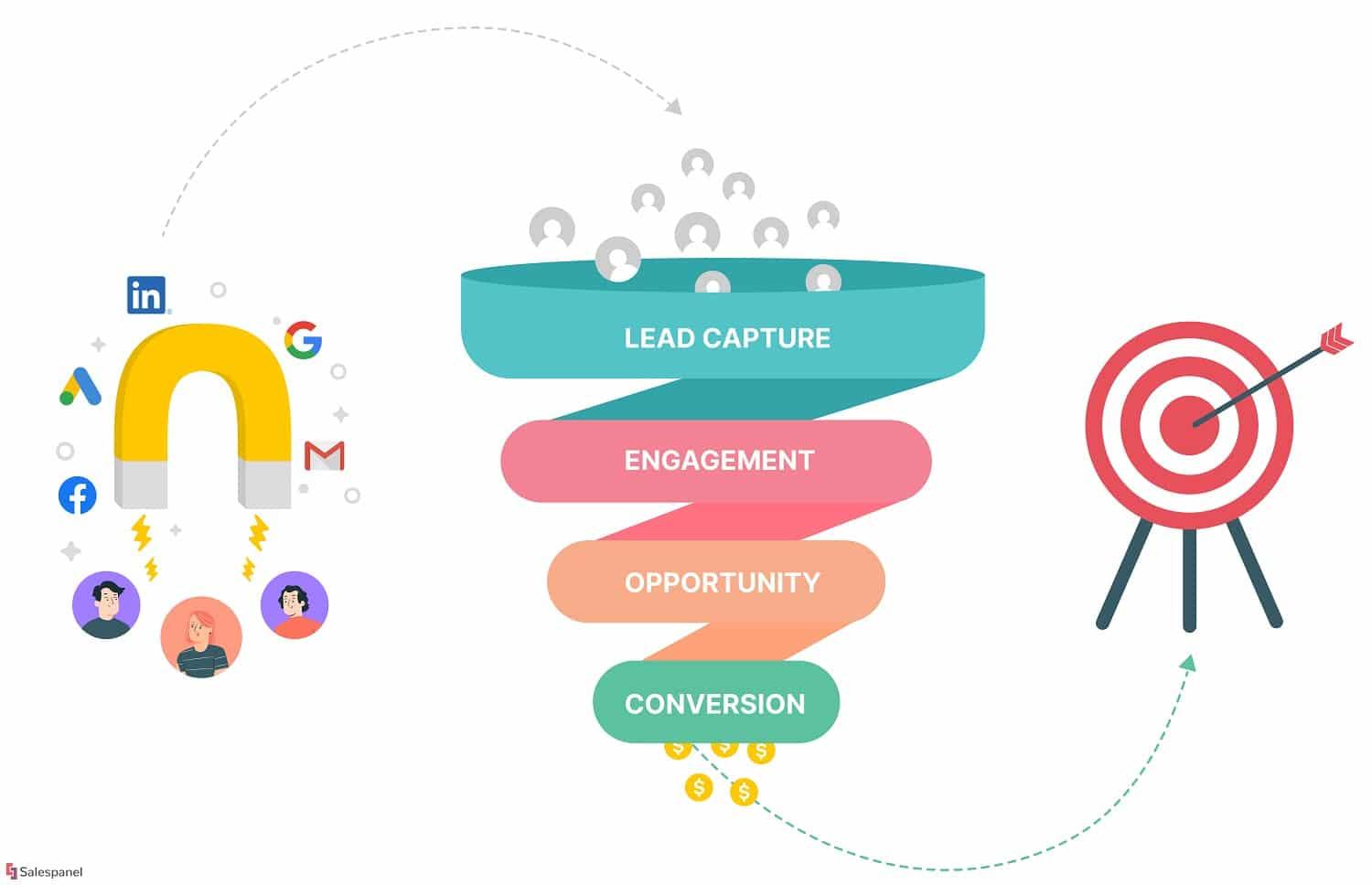
A successful lead generation strategy hinges on a few pivotal elements that work in harmony to attract and convert prospects into customers. Identifying Target Audience is the first step; knowing who your ideal customer is helps tailor your messaging effectively. Once you’ve zeroed in on your audience, the Content Marketing comes into play—valuable, relevant content that addresses pain points and questions can significantly boost engagement. Additionally, SEO Optimization ensures that your content is discoverable through search engines, driving organic traffic to your site. You can’t overlook the power of Social Proof; testimonials and case studies build credibility and trust, enhancing your appeal to potential leads.
Equally important is the implementation of a well-structured Lead Nurturing Process. This could include personalized email campaigns, follow-ups, or retargeting ads that keep your brand top-of-mind. Integrating Technology such as CRM software and marketing automation tools can streamline this process, allowing for efficiency and better tracking of lead interactions. don’t underestimate the impact of Analytics and Adjustments; regularly assessing your strategy’s performance through metrics like conversion rates and engagement levels will enable you to pivot and optimize your approach accordingly. By focusing on these key components, businesses can create a robust lead generation strategy that drives consistent results.

Leveraging Technology and Tools for Maximum Efficiency
To enhance productivity and streamline the lead generation process, it is crucial to incorporate advanced technologies and tools. Utilizing CRM software can help you maintain a comprehensive database of potential leads while enabling seamless communication and follow-up processes. Here are several tools that can amplify your efficiency:
- Marketing Automation Platforms – Automate your email campaigns and social media posts to engage with leads consistently.
- Analytics Software – Track visitor behavior on your website to better understand your audience and refine your strategies.
- Chatbots – Implementing AI-driven chatbots can enhance customer interaction and lead capture in real time.
- Lead Scoring Systems – Prioritize prospects based on their engagement levels, ensuring your efforts focus on the most promising leads.
Additionally, leveraging data integration tools can provide a holistic view of your marketing efforts. By consolidating insights from various channels, businesses can make informed decisions that align with their lead generation goals. Consider the following tech solutions:
| Tool | Function | Benefit |
|---|---|---|
| HubSpot | CRM & Marketing Automation | Centralized lead management and comprehensive analytics |
| Google Analytics | Web Analytics | Insights into user behavior and campaign performance |
| Zapier | Automation Tool | Connects disparate apps to automate workflows |
Measuring and Optimizing Your Lead Generation Efforts
To effectively measure the impact of your lead generation strategies, it’s crucial to track a variety of key performance indicators (KPIs) that provide insights into your campaigns’ performance. Consider monitoring metrics such as:
- Conversion Rate: The percentage of visitors who become leads.
- Cost Per Lead (CPL): How much you spend on average for each lead generated.
- Lead Quality: Assessing the potential of leads to convert into customers.
- Lead Source Tracking: Understanding which channels generate the most effective leads.
- Engagement Rate: Measuring how actively leads interact with your content.
Once you’ve established a solid measurement framework, it’s time to optimize based on the data collected. Regularly analyze your KPIs and be prepared to adjust your strategies accordingly. This might involve different tactics such as:
- AB Testing: Experimenting with various elements in your campaigns to see what resonates the most with your audience.
- Content Quality Improvement: Enhancing the value and relevance of your lead magnets.
- Targeting Refinements: Modifying your audience segments to focus on those that yield the highest conversion rates.
| Lead Source | Conversion Rate (%) | Cost Per Lead ($) |
|---|---|---|
| Social Media | 15 | 10 |
| Email Marketing | 25 | 5 |
| Paid Ads | 10 | 20 |
Final Thoughts
As we draw the curtain on our exploration of effective lead generation strategies, it’s clear that the path to success is paved with intention and innovation. Crafting a lead generation approach tailored to your unique business needs may require time and testing, but the rewards are well worth the effort. Remember, the key lies not just in attracting leads, but in nurturing them with authentic engagement and valuable content.
In a landscape that is perpetually evolving, staying agile and open to new ideas will help you refine your tactics and foster lasting relationships with potential customers. So, take these insights, experiment, and unlock the potential within your outreach efforts. Here’s to your journey in generating meaningful connections and realizing your business goals—success is waiting just around the corner.