


In the ever-evolving landscape of digital marketing, the significance of search engine optimization (SEO) cannot be overstated. For businesses seeking to enhance their online presence, the pathway to visibility and success often begins with a thorough understanding of the intricate mechanisms that drive search engine rankings. Among the many facets of SEO, technical audits play a pivotal role in uncovering hidden opportunities and resolving underlying issues that could derail even the most well-crafted strategies. In this comprehensive guide, “Unlocking Success: A Comprehensive Guide to Technical SEO Audits,” we delve into the essential components of a successful technical SEO audit, offering insights, tools, and methods designed to empower marketers and webmasters alike. Join us as we navigate the nuances of site architecture, indexing, and performance, providing you with the keys to unlock your website’s potential and achieve lasting success in the digital realm.
Understanding the Importance of Technical SEO Audits
Technical SEO audits are crucial for identifying potential weaknesses in a website’s infrastructure that can hinder search engine visibility and user experience. By meticulously evaluating factors such as site speed, mobile responsiveness, and crawlability, businesses can uncover hidden opportunities for optimization. Addressing these issues not only helps improve rankings but also enhances user satisfaction, ensuring that visitors have a seamless experience when interacting with your site.
A comprehensive audit typically encompasses various components, which can be categorized as follows:
- Crawlability: Assessing whether search engines can efficiently navigate and index your website.
- Site Speed: Evaluating loading times and their impact on user retention and SEO rankings.
- Mobile Optimization: Ensuring that the site is fully responsive and provides an optimal experience across all devices.
- Structured Data: Implementing schema markup to enhance search result visibility with rich snippets.
When combined, these factors lay the groundwork for a successful online presence. A well-executed technical SEO audit acts as a diagnostic tool, allowing webmasters to prioritize necessary changes based on the severity and impact of identified issues. Below is a simple comparison of benefits before and after a technical SEO audit:
| Before Audit | After Audit |
|---|---|
| Low visibility in search results | Improved rankings and visibility |
| High bounce rates | Increased user engagement |
| Slow loading pages | Faster and optimized loading times |
| Mobile incompatibility | Fully responsive design |
Key Components of a Comprehensive Technical SEO Audit
Conducting a thorough technical SEO audit requires a keen focus on several key areas crucial for enhancing a website’s performance and visibility. One of the primary components is site architecture, which includes making sure that the website is well-structured and easy to navigate. This entails checking internal linking, URL structure, and the sitemap to ensure they contribute to a positive user experience and improved crawlability by search engines. Additionally, an analysis of page speed is vital, as slow-loading pages can lead to high bounce rates and negatively impact rankings. Tools like Google PageSpeed Insights can help identify opportunities for optimization.
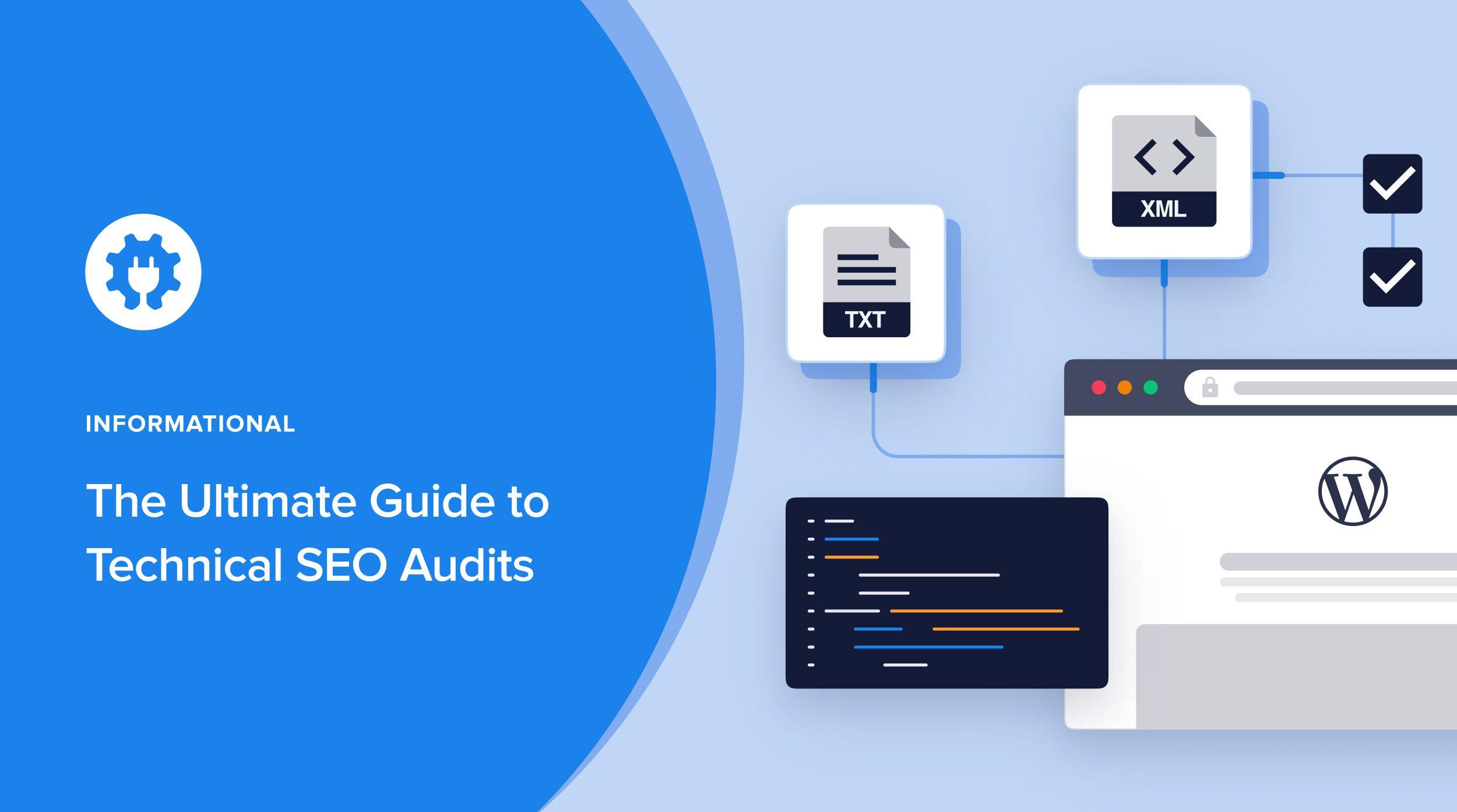
Another critical aspect is mobile-friendliness, especially given the increasing prevalence of mobile searches. Testing mobile responsiveness and ensuring that content adapts well on various devices is essential. Duplicate content should also be examined, as it can confuse search engines and dilute link equity. Furthermore, an assessment of SSL security is necessary to ensure that the website is secure—Google favors HTTPS sites in its rankings. Lastly, reviewing robots.txt and XML sitemaps ensures that all important pages are being crawled and indexed effectively.

Common Pitfalls and How to Avoid Them
When conducting a technical SEO audit, many professionals stumble into a variety of traps that can lead to misleading conclusions and ineffective strategies. One of the most common missteps is overlooking the importance of page speed. A site that loads slowly can frustrate users and increase bounce rates, negatively impacting your SEO. To avoid this, regularly run speed tests on your pages and address any issues related to image sizes, server response times, and unnecessary scripts. Additionally, neglecting mobile optimization can place your site at a disadvantage as search engines prioritize mobile-friendly experiences. Ensure that your site is responsive and adapts well to different screen sizes.
Another frequent pitfall is failing to monitor crawl errors and broken links, which can significantly hinder your website’s performance. Implement a routine check-up on your site’s crawlability using tools like Google Search Console. If you come across any broken links or error pages, promptly resolve them to maintain a seamless user experience. Additionally, many auditors forget to analyze their XML sitemaps. An outdated or incorrectly configured sitemap can confuse search engines and impair indexing. Regularly update and submit your sitemap to ensure it accurately reflects your website’s current structure and content changes.

Actionable Recommendations for Effective Optimization
To ensure your technical SEO efforts are yielding positive results, it’s essential to implement specific strategies that can elevate your website’s performance. Start by conducting a thorough audit of your site’s speed and mobile responsiveness. Utilize tools such as Google PageSpeed Insights or GTmetrix to identify issues and gain actionable insights. Focus on improving loading times by optimizing images, leveraging browser caching, and minimizing JavaScript. Furthermore, confirm that your site is fully responsive across various devices to enhance user experience and engagement.
Another critical aspect of SEO optimization is the correct implementation of structured data. Integrating schema markup can significantly improve how search engines understand your content, leading to better visibility in search results. Use Google’s Structured Data Markup Helper to begin tagging your content effectively. Additionally, ensure that your website has a clean and organized XML sitemap, allowing search engines to crawl and index your pages efficiently. This can be easily done with plugins like Yoast SEO or All in One SEO Pack, streamlining the optimization process and helping you stay ahead in the competition.
The Conclusion
As we conclude our journey through the intricate landscape of technical SEO audits, it’s clear that success in the digital realm hinges on a solid foundation. Like skilled architects, we must build our websites with meticulous attention to detail, ensuring every element is optimized for performance and user experience. By embracing the insights and strategies outlined in this guide, you are now equipped to unlock the hidden potential of your online presence.
Remember, the world of SEO is ever-evolving, and continuous audits are essential for staying ahead of the curve. Approach each audit as an opportunity to refine your strategy, enhance your site’s visibility, and ultimately drive meaningful engagement with your audience.
Armed with the knowledge gained here, you’re prepared to tackle any challenges that may arise on your path to digital success. Now, go forth, implement these strategies, and watch as the fruits of your labor begin to flourish. Your journey in technical SEO is just beginning, and the possibilities are limitless.