



In the bustling realm of e-commerce, where virtual storefronts compete for attention and consumer trust is oftentimes elusive, a powerful yet understated force emerges: social proof. This phenomenon, rooted in behavioral psychology, harnesses the insights of community and shared experiences to influence purchasing decisions. As online shoppers are inundated with choices, testimonials, reviews, and endorsements serve as beacons of reassurance, guiding them through the digital marketplace. In “Unlocking Sales: The Power of Social Proof in E-commerce,” we delve into the multifaceted ways social proof can transform browsers into buyers, explore its psychological underpinnings, and reveal strategies that businesses can employ to leverage this compelling tool for sales growth. Join us as we uncover how harnessing the voice of the crowd not only builds credibility but also creates a vibrant tapestry of engagement that can elevate a brand’s success in the ever-evolving landscape of online retail.
Understanding Social Proof and Its Impact on Consumer Behavior
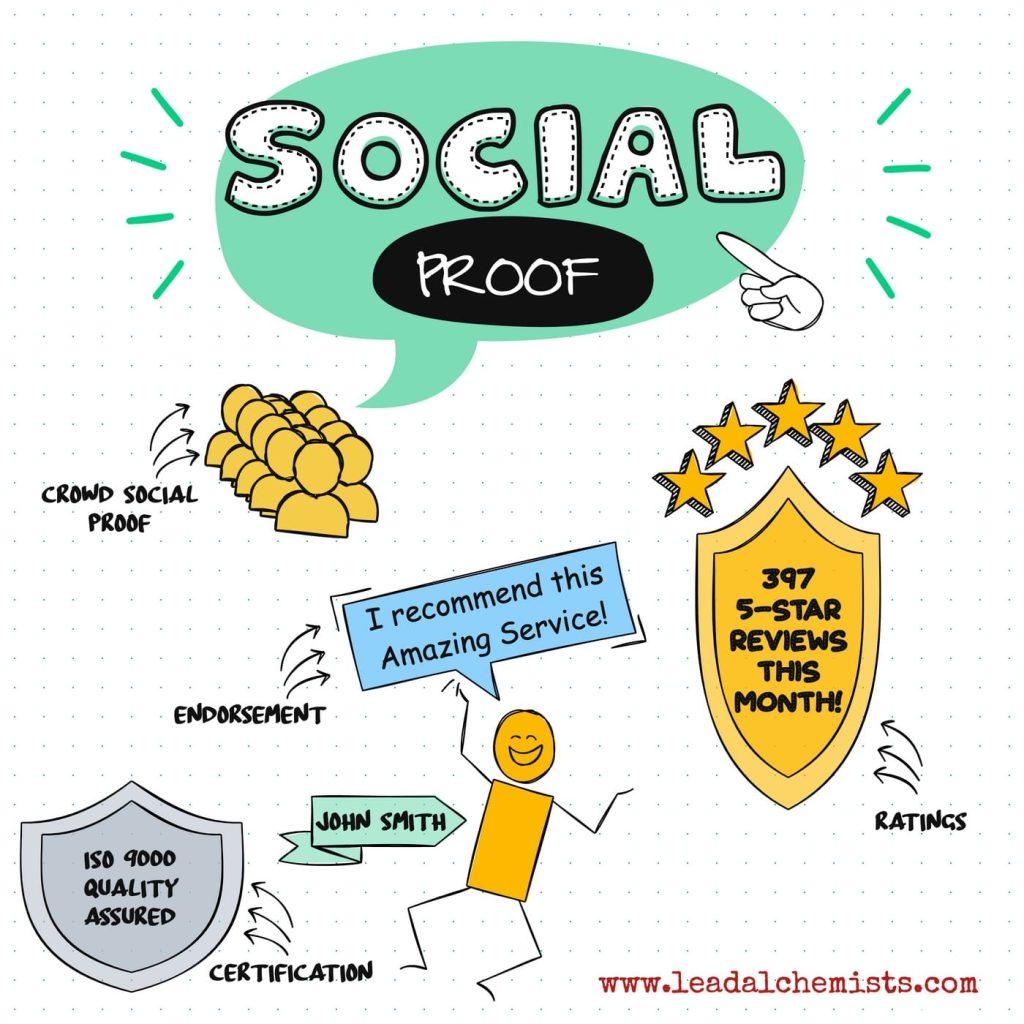
The concept of social proof is grounded in the idea that people often look to others to determine what is acceptable or desirable. This phenomenon is especially pronounced in e-commerce, where potential buyers are influenced by the experiences and opinions of their peers. When consumers see positive reviews, high ratings, or active engagement on product pages, they are more likely to develop trust in a product and feel confident in their purchase decision. This can manifest through various forms, including:
- Customer Testimonials: Real-life experiences shared by previous buyers.
- Online Reviews: Ratings and comments on platforms like Amazon or Yelp.
- User-Generated Content: Photos or videos shared by users showcasing the product.
- Influencer Endorsements: Recommendations from trusted figures in the industry.
Incorporating social proof into e-commerce strategies can significantly enhance conversion rates. Research indicates that the visibility of social proof can shorten the buyer’s journey by providing reassurance, mitigating doubts, and encouraging impulsive purchases. For instance, displaying the number of items sold or highlighting products as “Best Sellers” not only increases interest but also capitalizes on the fear of missing out (FOMO). A simplistic overview of these elements can be summarized as follows:
| Social Proof Element | Impact on Consumer |
|---|---|
| Customer Reviews | Builds trust and credibility |
| Expert Endorsements | Enhances perceived value |
| User-Generated Content | Creates relatability and authenticity |
| Social Media Mentions | Boosts visibility and appeal |

Types of Social Proof: Leveraging Reviews, Testimonials, and User-Generated Content
Social proof is a potent tool in the arsenal of e-commerce, especially when leveraging reviews, testimonials, and user-generated content. By showcasing customer reviews, businesses can build trust and credibility, as prospective buyers are more likely to believe feedback from fellow consumers than from brand marketing. Encouraging existing customers to leave reviews not only enhances the visibility of products but also creates an authentic narrative around a brand. Incorporating a section on the website dedicated to customer testimonials further amplifies this effect, allowing potential buyers to see real experiences that reflect positively on the product. Whether it’s a five-star rating or a detailed testimonial, each piece of feedback serves as a persuasive nudge towards conversion.
User-generated content (UGC) taps into the community aspect of e-commerce, allowing brands to showcase real-life applications of their products. This can include everything from sharing photos of customers using products on social media to hosting contests encouraging users to post their experiences. Not only does UGC create an engaging narrative, but it also strengthens the connection between the brand and its audience. Brands can feature a selection of standout UGC on their website through a table or gallery, showcasing how their products fit into customers’ everyday lives and making potential buyers envision themselves as part of that community.
Implementing Social Proof Strategies: Tips for E-commerce Success
To harness the strength of social proof in your e-commerce strategy, start by showcasing real customer feedback prominently on your site. Consider creating a dedicated testimonial section where satisfied clients can share their experiences, complete with photos or even video snippets. Additionally, implement a star rating system on your product pages to provide potential buyers with instant credibility, as this visual representation of customer satisfaction can significantly influence purchasing decisions. You can also enhance trust by maintaining an active presence on social media, allowing customers to see how others engage with your brand and products.
Another effective strategy is to incorporate user-generated content (UGC) directly into your marketing materials. Encourage customers to share their photos or stories using your products, and consider running contests or giveaways that incentivize participation. You could also use a social proof countdown timer based on stock levels or limited-time offers, creating a sense of urgency coupled with the knowledge that others are buying the same product. By displaying real-time purchases or interactions on your site, such as “X people bought this in the last hour,” you can reinforce the desirability of your offerings, ultimately leading to increased conversion rates.

Measuring the Effectiveness of Social Proof in Driving Sales
Quantifying the impact of social proof on sales can be a game-changer for e-commerce businesses. By analyzing customer behavior and feedback, companies can gain invaluable insights into how social proof influences purchasing decisions. For instance, tracking metrics such as conversion rates, cart abandonment rates, and customer engagement can provide a clearer picture of how social proof mechanisms—like reviews, testimonials, and user-generated content—are performing. Here are some key methods for measurement:
- A/B Testing: Compare product pages with and without social proof elements to evaluate differences in sales.
- Customer Feedback: Implement surveys after purchase to assess how much influence social proof had on their decision.
- Analytics Tracking: Use tools like Google Analytics to monitor visitor behavior on pages featuring social proof.
Moreover, creating insights from collected data can foster a more profound understanding of which social proof strategies resonate most with your audience. For example, you can leverage a simple table to categorize customer responses based on various social proof types:
| Social Proof Type | Positive Response (%) |
|---|---|
| Customer Reviews | 75% |
| Influencer Endorsements | 62% |
| User-Generated Content | 80% |
This type of analysis helps identify which elements are particularly persuasive, allowing businesses to tailor their marketing strategies effectively and to amplify content that engages customers the most.
Insights and Conclusions
As we conclude our exploration of “Unlocking Sales: The Power of Social Proof in E-commerce,” it becomes clear that the digital marketplace is not just a realm of products but a tapestry woven from the experiences and voices of countless consumers. Social proof serves as a powerful catalyst that can transform casual browsers into loyal advocates, guiding their purchasing decisions with the reassurance of shared experiences and collective validation.
In this age of information overload, where choices abound and trust is hard-earned, leveraging social proof can be the beacon that not only attracts attention but also fosters deeper connections with customers. Whether through glowing reviews, enthusiastic testimonials, or compelling user-generated content, the insights of others can illuminate a path toward growth and success in your e-commerce journey.
As you reflect on the strategies discussed, consider how you can authentically integrate social proof into your own e-commerce efforts, enriching the shopping experience while building a community around your brand. The potential for connection and conversion lies within arm’s reach; it’s time to embrace the voices of your customers and let their stories drive your success. Unlock the power of social proof, and watch as it transforms the landscape of your e-commerce endeavor.