


Unlocking Insight: Engaging in Meaningful Self-Reflection
In a world that often rushes past us in a flurry of commitments and distractions, the art of self-reflection stands as a quiet sanctuary, inviting us to pause, breathe, and truly contemplate our inner landscapes. Imagine stepping into a dimly lit room filled with mirrors—each reflection revealing not just your physical form, but the myriad thoughts, emotions, and experiences that shape who you are. Self-reflection is more than a mere pastime; it is a powerful tool for unlocking insights about our motivations, decisions, and aspirations. It challenges us to look beyond the surface and engage with the deeper currents of our lives. In this article, we will explore the transformative power of self-reflection, examining effective techniques and the profound benefits that can emerge when we take the time to engage in this essential practice. Join us on a journey of introspection as we discover how meaningful self-reflection can illuminate the path to personal growth and understanding.
Embracing the Journey Within: The Importance of Self-Reflection
Delving into the depths of our thoughts and emotions can reveal hidden treasures, often masked by the hustle and bustle of daily life. By taking a moment to pause and engage in self-reflection, we allow ourselves to uncover patterns that shape our beliefs, decisions, and interactions. This introspective journey can foster a deeper understanding of our motivations and aspirations, leading to personal growth and a more fulfilling life. Here are some vital aspects of self-reflection:
- Clarity of Purpose: It helps to clarify what truly matters to us, guiding our choices.
- Emotional Awareness: Being mindful of our feelings allows us to respond rather than react.
- Improved Relationships: Understanding ourselves fosters empathy toward others.
Moreover, we can enhance our reflection practice through structured approaches that allow us to track our thoughts over time. Creating a self-reflection table can provide a visual framework that emphasizes our progress and insights. Consider the following template to systematically record your thoughts:
| Date | Reflection Prompt | Insights Gained |
|---|---|---|
| MM/DD/YYYY | What challenges did I face today? | A rise in stress levels revealed my need for better time management. |
| MM/DD/YYYY | What am I grateful for today? | A supportive friend provided encouragement when I needed it most. |

Tools and Techniques: Crafting Your Self-Reflection Practice
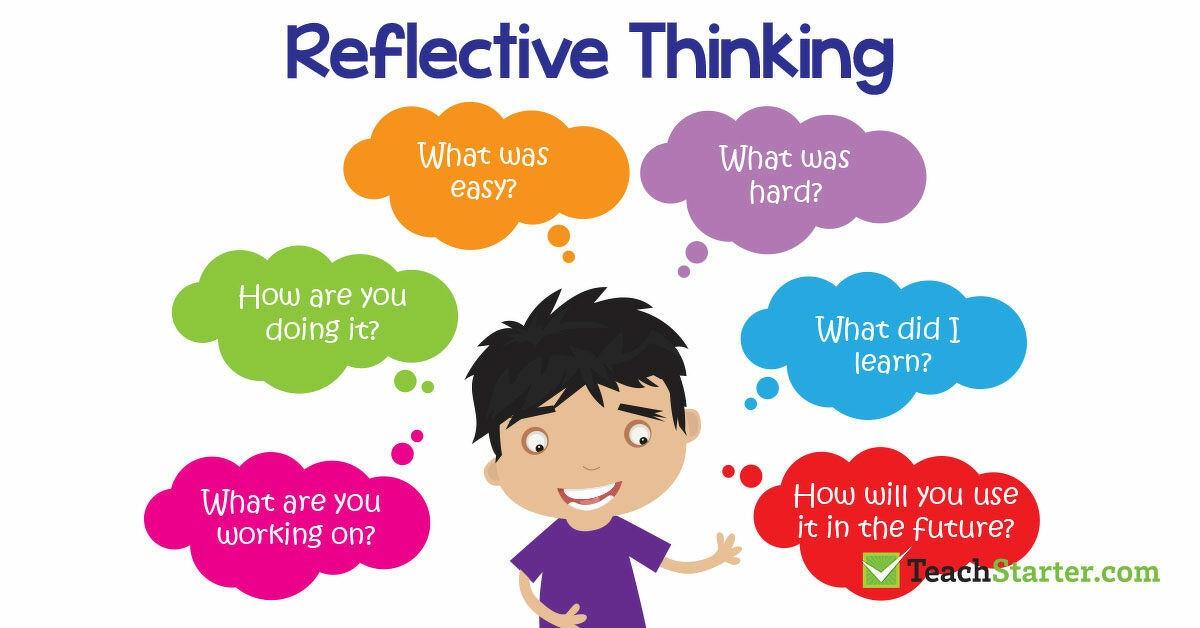
Embarking on a self-reflection journey requires a thoughtful selection of tools and techniques that resonate with you. Journaling is one of the most timeless methods; allow your thoughts to flow onto the page. This practice not only clarifies your thoughts but also helps track your emotional evolution over time. You might consider using prompts such as:
- What did I learn today?
- What challenges did I face?
- What made me feel fulfilled or happy?
Incorporating meditation or mindfulness exercises can further deepen your insights. Consider dedicating a few minutes daily to sit in silence, focusing on your breath, or leveraging guided meditation apps. This space not only calms your mind but also facilitates a richer understanding of your inner dialogues and emotional triggers.
Another powerful tool is the use of feedback loops; discuss your reflections with trusted friends or mentors. Engaging in conversations can often unveil perspectives you hadn’t considered. Create a chart to track feedback methods and reflection themes to enhance your practice:
| Method | Reflection Theme | Frequency |
|---|---|---|
| Journaling | Personal Growth | Daily |
| Mindfulness Meditation | Emotional Awareness | Weekly |
| Feedback Sessions | Career Development | Monthly |
Finding the right blend of these tools and techniques can transform your self-reflection practice into a profound journey of personal discovery.

Navigating Emotional Landscapes: Understanding Your Inner Dialogue
Our inner dialogue often acts as a lens through which we view our experiences. By tuning into this personal narrative, we can unearth the emotions and beliefs that color our perceptions. This process begins by actively listening to our thoughts. Consider engaging in practices such as journaling or mindfulness meditation, which can help cultivate awareness and enhance your understanding of your emotional responses. Reflecting on questions like “What am I truly feeling?” or “Why do I react this way?” can lay the groundwork for profound insight. The goal is to identify patterns that may be serving or hindering your growth.
Equipping ourselves with the right tools can make navigating these emotional landscapes feel less daunting. Here are a few strategies to consider:
- Mind Mapping: Visualize your thoughts and feelings to spot connections.
- Affirmations: Use positive statements to reshape negative self-talk.
- Feedback Loops: Share your thoughts with trusted peers for outside perspectives.
By creating a space for honest self-inquiry, you not only gain clarity but also foster personal resilience. Remember, understanding your inner dialogue is not just about acknowledging discomfort; it’s about embracing the full range of your emotional experience to transform it into wisdom.

Transformative Insights: Cultivating Growth Through Reflection
Engaging in self-reflection is not merely a practice; it is a transformative journey that opens the door to deeper understanding and growth. By taking time to look within, individuals can uncover latent potential and develop a clearer vision for their future. Reflection allows for the identification of key patterns in behavior and thought processes that may otherwise go unnoticed. To maximize the benefits of this introspective practice, consider integrating the following techniques into your routine:
- Journaling: Documenting thoughts and feelings can lead to greater clarity and insight.
- Mindful Meditation: Taking moments to pause and breathe encourages a connection to the present.
- Feedback Seek: Engaging with trusted peers for constructive feedback can illuminate blind spots.
To further enhance your reflective practice, evaluating your insights can be structured in a simple framework. This approach not only facilitates clarity but also lays the groundwork for actionable growth. Below is a compact table that illustrates how to categorize thoughts during reflection:
| Category | Insights Gained | Action Steps |
|---|---|---|
| Emotional Responses | Recognizing triggers that elicit strong feelings | Practice emotional regulation techniques |
| Behavior Patterns | Identifying habits that hinder or help progress | Implement a 30-day habit tracker |
| Goal Alignment | Assessing alignment of current actions with long-term goals | Revise goals to reflect current values and desires |
The Way Forward
As we conclude our exploration of meaningful self-reflection, it becomes clear that this practice is more than just a solitary endeavor; it’s a powerful tool that unlocks the door to deeper understanding and personal growth. The journey within offers us a chance to sift through our experiences, beliefs, and emotions, illuminating the path forward with newfound clarity.
By engaging in regular self-reflection, we cultivate a mindset of curiosity and openness, enabling us to embrace our true selves. Whether through journaling, meditation, or simple moments of quiet contemplation, each act of introspection invites us to question, discover, and evolve.
As you embark on your own reflective journey, remember that the insights gained are not merely points of wisdom but stepping stones toward a more fulfilling existence. Embrace uncertainty, welcome discomfort, and allow the process to shape your narrative. it is through this intimate engagement with ourselves that we truly learn not only who we are but also who we aspire to be. Unlock your potential, and let the reflections lead you toward a life rich with purpose and authenticity.