

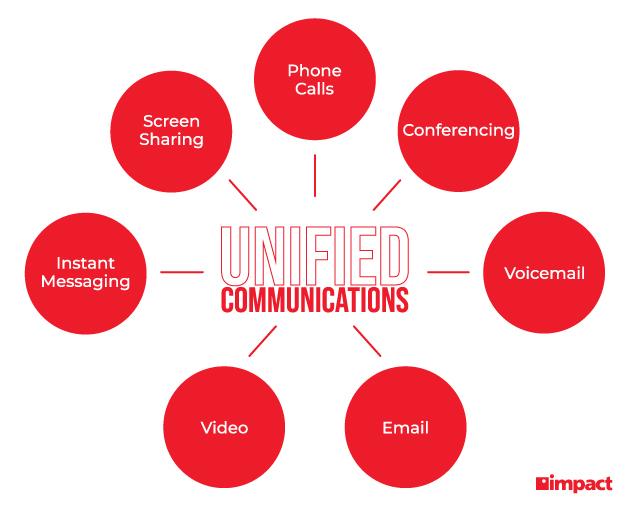

In an era where consumers are bombarded with information from countless channels, the challenge for brands is not merely to be heard, but to resonate in harmony. Welcome to the world of Integrated Marketing Communications (IMC)—a powerful framework designed to unify messages across diverse platforms and create a cohesive brand narrative. This article unravels the intricacies of IMC, exploring how a well-orchestrated blend of messaging can enhance brand recognition, foster engagement, and cultivate customer loyalty. By strategically integrating communication efforts, businesses can transcend the noise, delivering clear and compelling messages that not only inform but inspire. Join us as we delve into the transformative potential of unifying messages and discover how IMC can elevate a brand’s presence in today’s fragmented marketplace.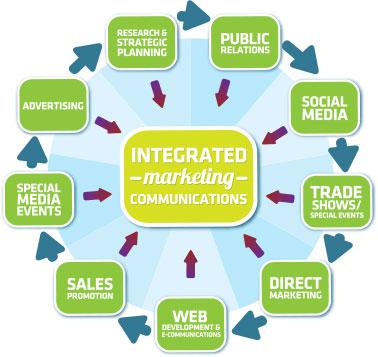
Exploring the Essence of Integrated Marketing Communications
In the noisy marketplace of ideas and products, the need for clarity has become paramount. Integrated Marketing Communications (IMC) serves as the connective tissue that holds all marketing efforts together, ensuring that every message resonates in harmony. By unifying strategies across various channels, companies can create a consistent brand narrative that speaks directly to their audience. This synthesis helps transform complex interactions into seamless experiences, leveraging:
- Consistency: Maintaining the same tone, voice, and style across channels enhances brand recognition.
- Synergy: Combining efforts creates a stronger impact than individual actions alone.
- Customer Focus: Understanding target demographics allows tailored messages, increasing engagement and conversion rates.
At its core, IMC understands that consumers are no longer passive recipients of marketing messages; they are actively engaging and shaping the narrative. By integrating traditional and digital channels, brands can engage users at multiple touchpoints, fostering deeper connections. The essence of IMC lies in its strategic approach, where data-driven insights guide decisions and creative execution. The following table outlines key components that contribute to a robust IMC strategy:
| Component | Description |
|---|---|
| Content Marketing | Creating valuable content that attracts and retains customers. |
| Social Media | Utilizing platforms for direct interaction and brand advocacy. |
| Email Campaigns | Personalized communication to nurture leads and maintain relationships. |
| Advertising | Targeted promotions that stand out across various media. |
| Public Relations | Building credibility through positive media engagement. |
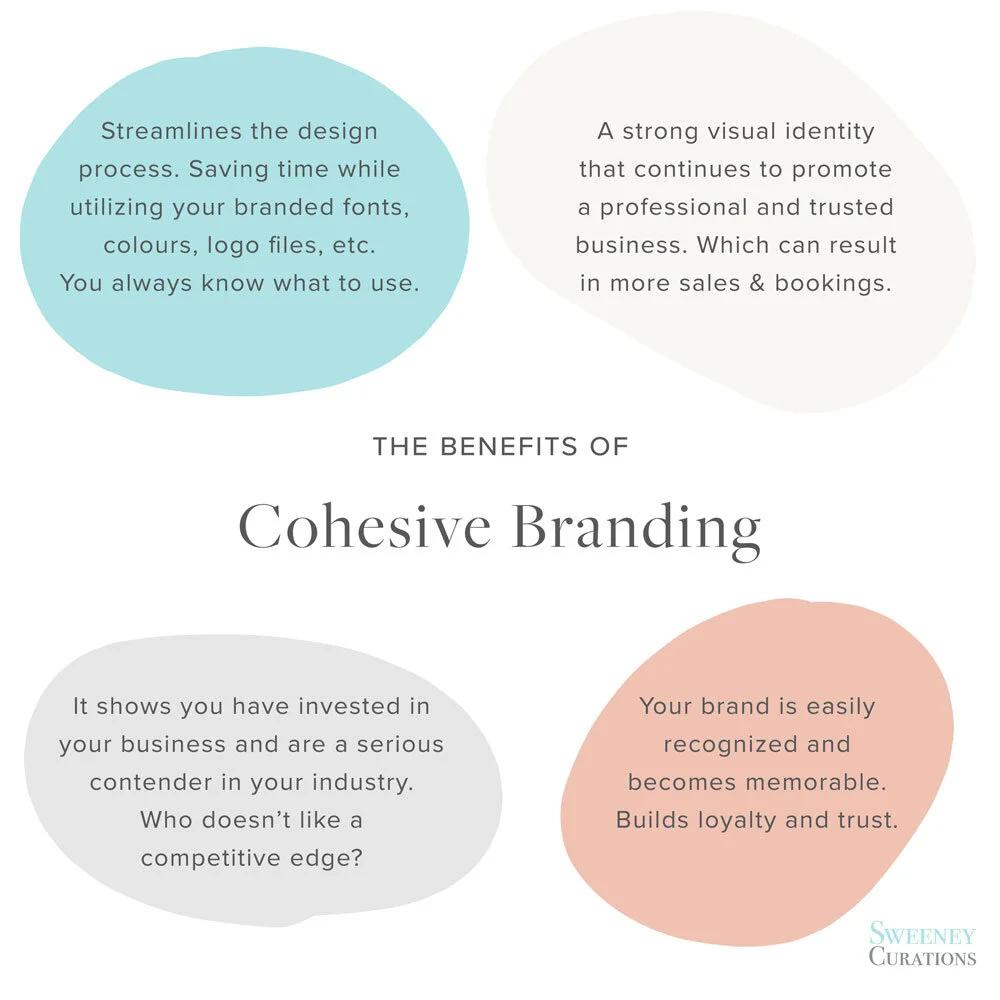
Building a Cohesive Brand Identity Through Unified Messaging
Creating a strong brand identity requires a strategy that brings together all elements of communication into a singular voice. This unified messaging approach ensures that every piece of content—be it a social media post, a blog article, or a television commercial—resonates with the core values and personality of the brand. To achieve this, organizations should focus on:
- Consistency: Utilize the same tone, language, and style across all platforms.
- Clear Objectives: Define what each message aims to achieve while aligning it with the brand’s mission.
- Audience Understanding: Tailor messages to meet the preferences and needs of the target audience.
A cohesive brand identity further translates into greater customer trust and loyalty. By employing integrated marketing communications, each interaction reinforces the brand and leaves a lasting impression. Consider organizing your messaging using an easy-to-follow framework, as shown in the table below:
| Message Component | Purpose | Channel |
|---|---|---|
| Brand Voice | Create recognition and familiarity | Social Media |
| Tagline | Summarize brand essence | Email Campaigns |
| Visual Elements | Enhance aesthetic appeal | Website & Ads |

Harnessing Data and Analytics to Optimize Campaign Performance
To truly enhance the performance of integrated marketing campaigns, organizations must leverage the power of data analytics. By closely monitoring and analyzing key performance indicators (KPIs), brands can identify what resonates with their audiences across different channels. This process involves:
- Data Collection: Gathering insights from various touchpoints including social media, email marketing, and web analytics.
- Performance Tracking: Employing real-time dashboards to keep tabs on campaign effectiveness and engagement metrics.
- Audience Insights: Utilizing segmentation to understand different consumer behaviors and preferences.
Utilizing these elements allows marketers to pivot strategies and optimize content for maximum effectiveness, ensuring that messaging aligns consistently across channels.
Moreover, employing robust analytical tools can transform raw data into actionable insights. With advanced technologies such as machine learning and artificial intelligence, marketers can predict trends and consumer needs more effectively. Some benefits of harnessing these technologies include:
- Improved Targeting: Crafting personalized messages that resonate based on predictive analytics.
- Resource Optimization: Allocating budget and resources more effectively based on performance forecasts.
- Real-time Adjustments: Making data-informed decisions on-the-fly to enhance campaign outcomes.
These strategies culminate in a comprehensive, cohesive approach that ensures every element of the marketing mix works in harmony, ultimately driving better results.
Strategies for Seamless Multi-Channel Engagement Experience
To achieve a truly cohesive multi-channel engagement experience, organizations must integrate their messaging across all platforms. This can be accomplished by leveraging data analytics to understand customer behavior and preferences. Through this, brands can craft tailored messages that resonate with their target audiences, ensuring every interaction is meaningful. Utilizing tools like Customer Relationship Management (CRM) software can help in tracking user interactions and preferences, allowing brands to deliver consistent messages through email, social media, and even traditional channels.
In addition to maintaining message consistency, it’s crucial to adopt a customer-centric approach. Engage your audience by creating personalized experiences that can span various channels. This might include:
- Dynamic email content based on previous interactions
- Social media campaigns that utilize user-generated content
- Integrated advertising strategies that leverage both online and offline channels
By designing a seamless experience that integrates these elements, companies can foster stronger relationships with their clients, leading to increased brand loyalty and enhanced customer satisfaction. To further illustrate this approach, consider the following comparative table:
| Channel | Strengths | Weaknesses |
|---|---|---|
| High ROI | Spam filters can limit reach | |
| Social Media | Wide audience engagement | Content can easily be overlooked |
| Traditional Advertising | High visibility | Less measurable impact |
Key Takeaways
As we draw the curtain on our exploration of integrated marketing communications, it’s clear that the threads of unified messaging weave a tapestry rich in engagement, consistency, and impact. In a world buzzing with fragmented messages and fleeting attention spans, the art of harmonizing communication strategies emerges as a vital tool for brands eager to resonate deeply with their audience.
By embracing the principles of integrated marketing, businesses don’t just amplify their voice; they cultivate authentic connections that transcend traditional advertising boundaries. Each campaign, each touchpoint becomes a note in a symphony, creating a seamless narrative that captivates and inspires.
As you consider the possibilities within your own marketing initiatives, remember that the power of unification lies not only in message consistency but also in the stories you tell and the relationships you foster. integrated marketing communications might just be the key to unlocking your brand’s full potential, transforming distant consumers into devoted advocates.
So, step forward with intention, strategize with clarity, and let the power of unified messages illuminate your path to success.