


In a world increasingly driven by data, the financial landscape is experiencing a seismic shift. Gone are the days when reporting was a labor-intensive process tangled in spreadsheets and manual reconciliation. Enter the era of automated financial reporting—a revolution that is transforming the way organizations glean insights into their fiscal health. As technology continues to evolve, businesses are harnessing the power of algorithms, artificial intelligence, and machine learning to streamline their reporting processes, enhance accuracy, and unlock deeper insights. In this article, we delve into the rise of automated financial reporting, exploring its implications for efficiency, decision-making, and the broader financial ecosystem. Join us as we navigate this new frontier and uncover how automation is redefining the art of financial analysis for companies of all sizes.
Harnessing Technology for Streamlined Reporting Processes
In today’s fast-paced business environment, the need for precise and timely financial reporting is paramount. Leveraging modern technology, organizations are discovering innovative tools that enhance the efficiency of their reporting processes. Automated reporting software, equipped with advanced algorithms and data analytics, reduces manual data entry and the associated errors. By implementing these technologies, companies can streamline workflows which leads to significant time savings and improved accuracy. Key benefits include:
- Real-time Data Access: Instantly access financial metrics and KPIs.
- Improved Data Visualization: Create dynamic and interactive dashboards.
- Cost Efficiency: Minimize resources required for data compilation.
Moreover, automation fosters an environment of collaboration among financial teams. With cloud-based solutions, team members can easily share reports and insights, leading to informed decision-making based on standardized data sets. This interconnectedness reduces the bottlenecks that often plague traditional reporting practices. By utilizing automated solutions, businesses can enhance their reporting agility; for reference, the following table illustrates the contrast between traditional and automated reporting:
| Aspect | Traditional Reporting | Automated Reporting |
|---|---|---|
| Speed | Time-consuming | Instant generation |
| Accuracy | Prone to errors | High reliability |
| Collaboration | Limited access | Real-time sharing |
Enhancing Decision-Making through Real-Time Data Insights
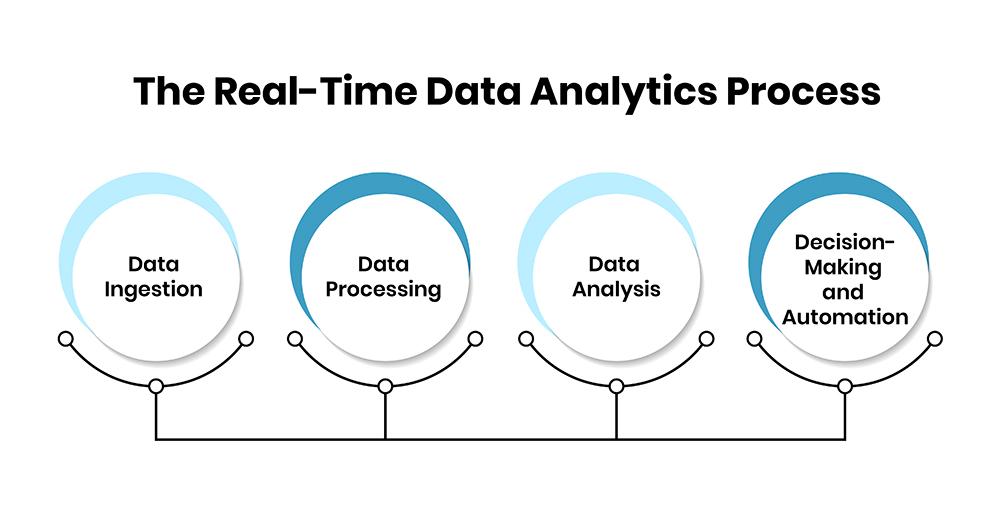
In today’s fast-paced financial landscape, the ability to harness real-time data transforms how organizations make decisions. By integrating automated financial reporting, companies can access up-to-the-minute insights that are crucial for strategic planning and operational efficiency. Live dashboards and real-time analytics not only enhance transparency but also reduce the lag that often hampers the decision-making process. This immediate availability of information empowers teams to swiftly identify trends, recognize potential risks, and capitalize on emerging opportunities.
Furthermore, the use of real-time data allows for greater accuracy in forecasting. By relying on dynamically updated analytics, businesses can mitigate the risks of outdated or inaccurate information affecting their strategies. Key benefits of this enhancement include:
- Informed decision-making: Leaders can make choices backed by current data rather than historical trends.
- Increased agility: Organizations can quickly pivot in response to market changes or internal challenges.
- Resource optimization: Improved data insights enable more effective allocation of resources, saving time and costs.
| Aspect | Traditional Reporting | Automated Reporting |
|---|---|---|
| Data Retrieval | Scheduled intervals | Real-time access |
| Decision Speed | Delayed responses | Instantaneous adjustments |
| Forecast Accuracy | Static analysis | Dynamic trends |

Navigating Compliance and Transparency in Automated Systems
In the era of digital transformation, ensuring compliance and transparency in automated systems is paramount. Financial institutions are increasingly adopting sophisticated algorithms and machine learning models for reporting, necessitating stringent oversight to maintain regulatory standards. Stakeholders must navigate a complex landscape where maintaining data integrity, legal adherence, and ethical practices become crucial. By embedding compliance checks into their automated processes, organizations not only bolster their credibility but also foster trust with clients and regulators alike. This multifaceted approach helps to ensure that data is not only processed efficiently but also communicated clearly, paving the way for informed decision-making.
Moreover, transparency can act as a competitive edge in the financial reporting landscape. Implementing real-time dashboards and dynamic reporting tools enables organizations to showcase adherence to regulations and their commitment to ethical practices. Enhanced visibility into financial operations allows various parties to access key performance indicators while keeping the sensitive data secure. To illustrate the impact of these practices, consider the following table, which highlights the benefits of automated compliance measures:
| Benefits | Description |
|---|---|
| Real-Time Monitoring | Continuous oversight of compliance metrics. |
| Cost Efficiency | Reduction in manual processing time and errors. |
| Enhanced Trust | Transparency fosters stakeholder confidence. |
| Improved Analytics | Data-driven insights for strategic decisions. |

Maximizing Efficiency: Best Practices for Implementing Financial Automation
Implementing financial automation requires a clear strategy that focuses on both technology and processes. Start by identifying the tasks that consume significant time and resources, as this will allow you to prioritize which areas will benefit most from automation. Consider the following practices to optimize your implementation:
- Conduct a thorough assessment of current financial processes to determine inefficiencies.
- Choose the right tools by researching various financial automation software that fits the unique needs of your organization.
- Integrate seamlessly with existing systems to ensure a smooth transition and minimize disruptions.
- Train staff adequately to use new tools effectively and confidently.
Furthermore, monitoring the performance of automated processes is vital for continuous improvement. Regular reviews not only help identify any bottlenecks or system failures but also ensure that the automation evolves with your business needs. To facilitate this, establish key performance indicators (KPIs) and maintain a feedback loop among your finance team. A simple overview of potential KPIs might look like this:
| Key Performance Indicator | Description |
|---|---|
| Transaction Processing Time | Measure the time taken to process transactions pre- and post-automation. |
| Accuracy Rates | Track the accuracy of financial reports generated automatically. |
| Cost Savings | Evaluate the reduction in operational costs due to automation. |
In Retrospect
As we stand on the precipice of a new era in financial reporting, the advent of automation is not merely a trend but a transformative force reshaping the landscape of business intelligence. With each advancement in technology, organizations are equipped with unprecedented tools to enhance accuracy, efficiency, and strategic decision-making. As we navigate this intricately woven tapestry of data and insights, it’s clear that automated financial reporting is not just a revolution; it’s an evolution.
In embracing these innovations, businesses are not only unlocking the potential for real-time analysis and streamlined processes but are also fostering a culture of transparency and agility that’s essential in today’s fast-paced environment. As we conclude our exploration of this paradigm shift, it’s evident that the journey towards fully automated financial reporting is just beginning. The promise of deeper insights and more informed decisions lies ahead, inviting us all to rethink the way we approach financial stewardship.
In a world where data reigns supreme, the key to future success may very well lie in our ability to harness the power of automation, steering the helm of transformation with confidence and foresight. As we look ahead, let us remain vigilant in adapting to these changes, equipped with the knowledge that financial reporting, in its automated form, holds the potential to revolutionize not just numbers on a balance sheet, but the very fabric of business itself.