

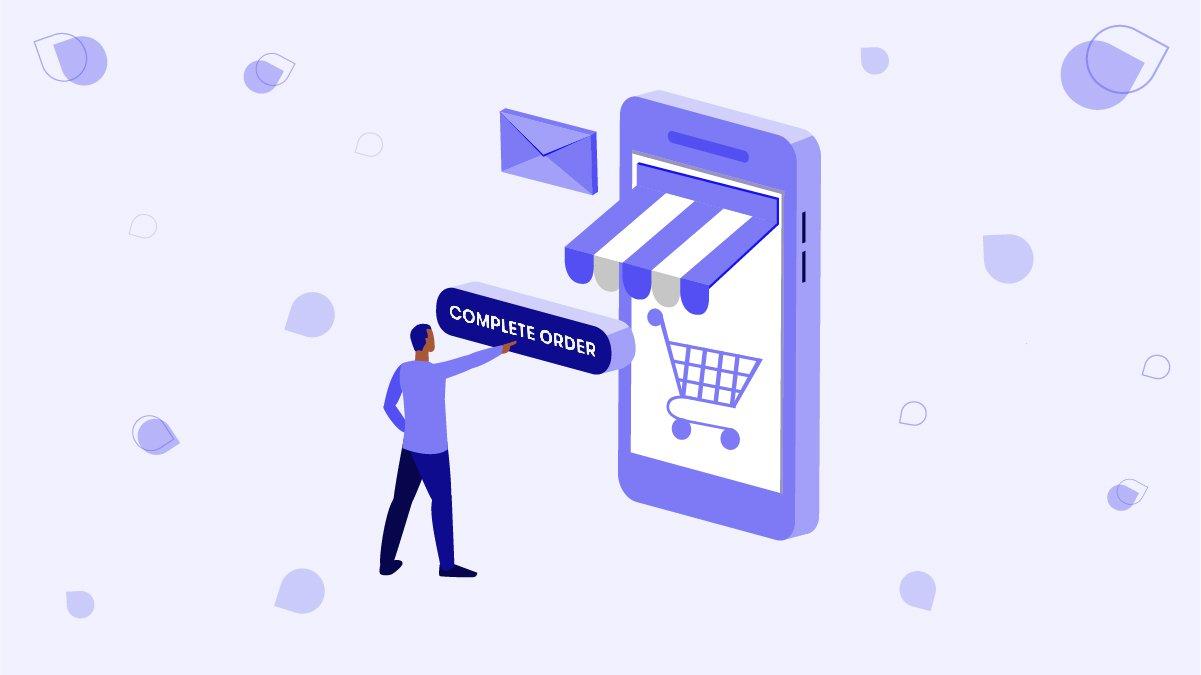

In the bustling realm of e-commerce, where every click holds the promise of a transaction, a silent struggle unfolds behind the scenes—abandoned carts. Picture a vibrant online marketplace, teeming with potential, yet dotted with countless items left behind, forgotten in the digital aisles. These abandoned carts represent more than just missed sales; they are the echoes of consumer interest, interrupted by distractions, hesitations, or a lack of persuasive incentives. As businesses grapple with the implications of these abandoned purchases, the quest to revive lost sales takes center stage. In this article, we’ll explore innovative strategies for abandoned cart recovery, unveiling actionable insights to transform slip-ups into opportunities. By understanding the psychology of the shopper and employing tailored tactics, retailers can turn fleeting interest into lasting loyalty, breathing new life into abandoned goods and revamping the shopping experience for customers. Join us as we navigate the terrain of cart recovery, redefining how businesses can reclaim the revenue that once slipped through their fingers.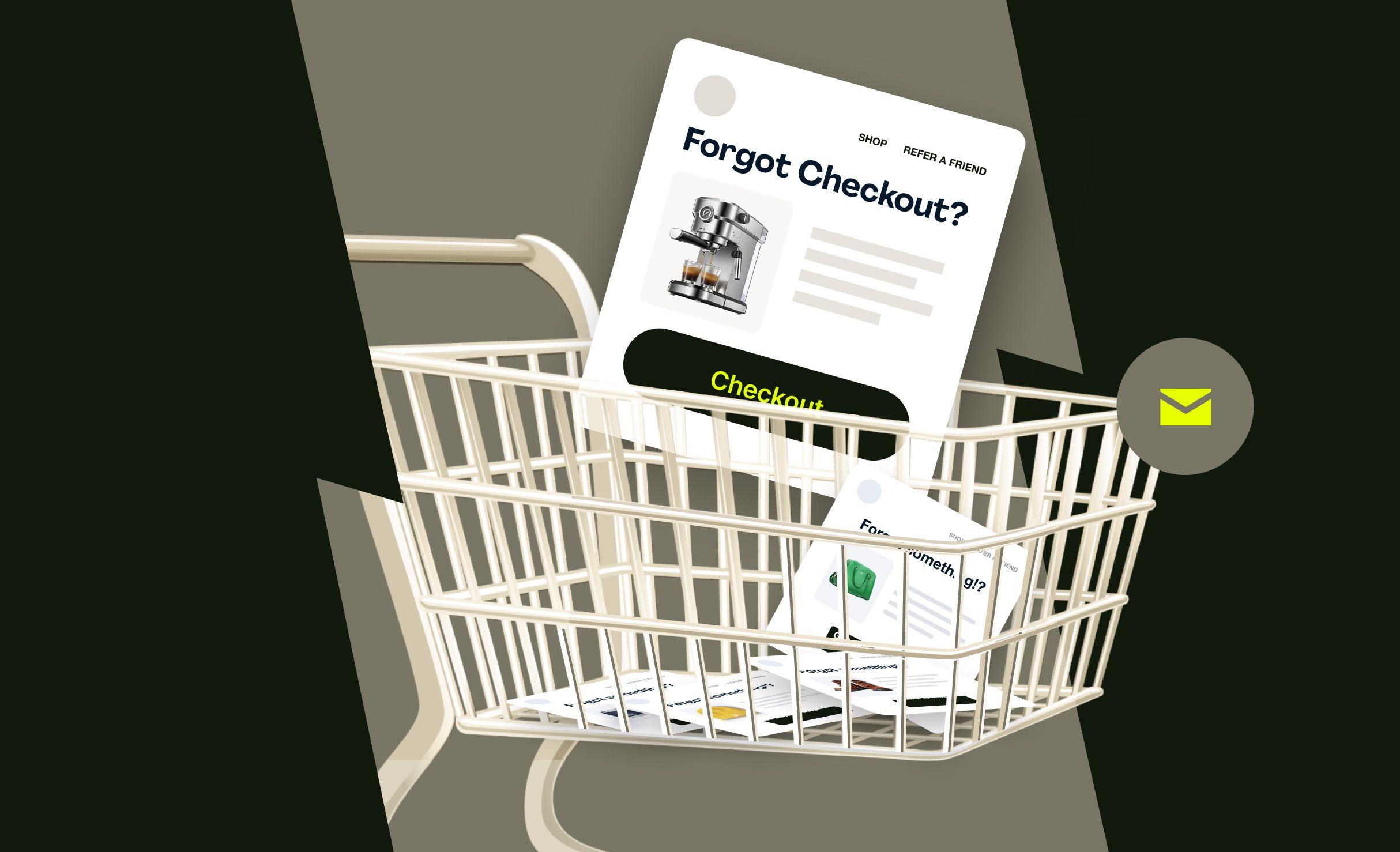
Understanding the Psychology Behind Abandoned Carts
The decision to abandon a shopping cart often reflects psychological patterns rather than mere indecision. Shoppers may find themselves overwhelmed by the process or distracted by competing priorities. Factors such as perceived costs, unclear pricing, and website trustworthiness play crucial roles in their decision-making. For many, unexpected shipping costs can turn what seemed like a good deal into a dilemma that prompts them to close the browser tab. Moreover, a complex checkout process can lead to frustration, diminishing the likelihood of completion. Understanding these insights allows retailers to craft more intuitive shopping experiences, transforming hurdles into seamless transactions.
Additionally, emotional triggers significantly influence purchasing behavior. Customers can experience feelings of abandonment themselves, especially if they have previously engaged with a brand and receive no follow-up communication. To combat this, using personalized messages in abandoned cart recovery strategies can rekindle that connection. Consider implementing tactics such as:
- Segmentation of cart abandoners based on browsing history
- Follow-up emails that highlight the benefits of the abandoned products
- Incentives such as discounts or free shipping to encourage completion
These strategies not only serve as reminders but also reignite customers’ interest through a meaningful dialogue that makes them feel valued. Ultimately, cultivating a deeper understanding of the psychological influences that lead to cart abandonment can transform a potential loss into a regained sale.
Crafting Compelling Follow-Up Emails to Reengage Customers
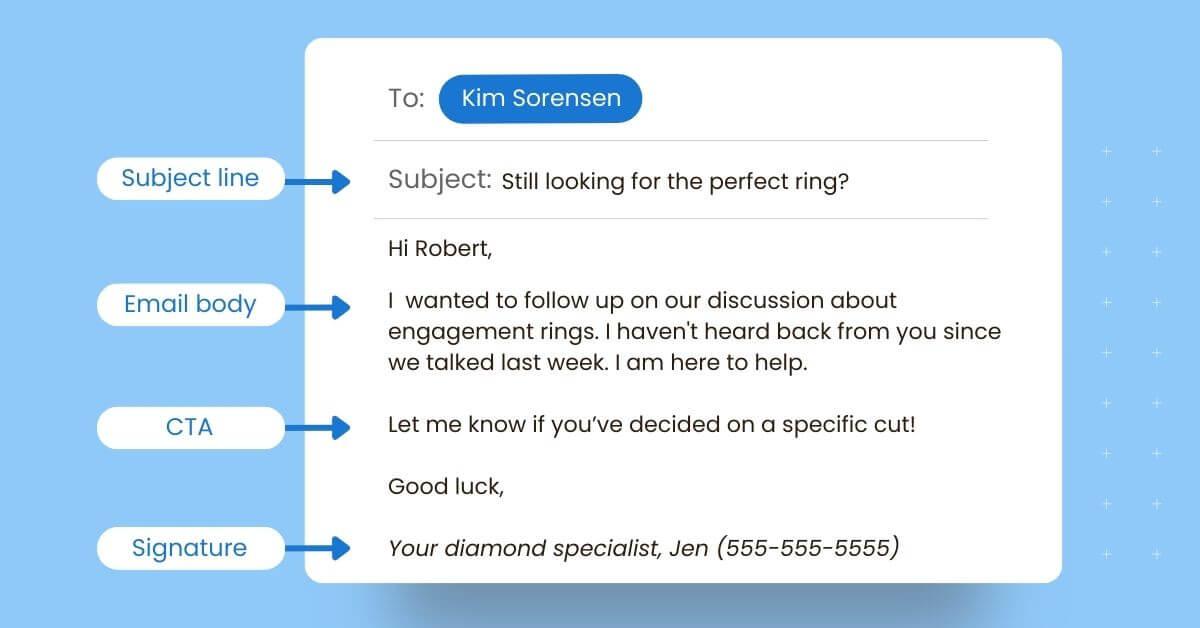
When attempting to reengage customers who have abandoned their carts, crafting a well-thought-out follow-up email can be a game changer. Start by addressing the recipient by name to create a personal touch, which immediately enhances their connection to the brand. Consider incorporating the items left in their cart with a compelling reminder of what they’re missing out on. Use phrases like “Your cart is patiently waiting for you!” or “Don’t miss out on these favorites!” to evoke a sense of urgency. Furthermore, integrating visuals of the products, perhaps accompanied by customer reviews or ratings, can significantly boost the likelihood of a return visit.
Alongside personalized content, providing an incentive can also work wonders. Simple gestures, such as a discount code or free shipping offer, can encourage hesitant customers to complete their purchase. Here’s a quick overview of strategies you might consider including in your follow-up emails:
- Personalized Greetings: Use the customer’s name and cart items.
- Clear Call to Action: Include links that lead directly to their cart.
- Time-Sensitive Offers: Create urgency with limited-time discounts.
- Engaging Visuals: Showcase the cart items to reignite interest.
| Email Element | Purpose |
|---|---|
| Subject Line | Grab attention and encourage opens. |
| Product Imagery | Visual reminder of the abandoned items. |
| Customer Review | Build trust and validate product choice. |
Optimizing Your Website for a Seamless Checkout Experience
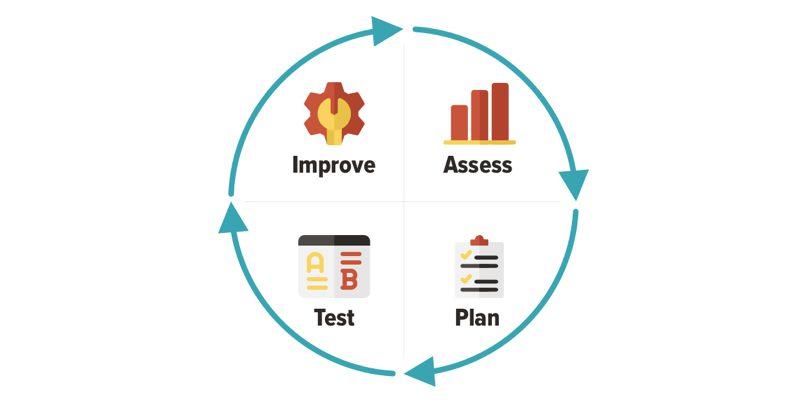
Enhancing your checkout process is crucial for reducing cart abandonment rates. Start by simplifying the checkout form; ask only for essential information, which encourages customers to complete their purchase without feeling overwhelmed. Implementing features such as auto-fill options or guest checkout can significantly streamline the experience. Additionally, incorporating progress indicators that show customers where they are in the checkout process can help manage their expectations and reduce frustration.
Another critical aspect is to optimize load times. Slow-loading pages can disrupt the flow, leading to cart abandonment. Aim for checkout pages to load in under 3 seconds. Utilizing caching solutions and image optimization will play a significant role in achieving this goal. It’s also beneficial to implement trust signals throughout the checkout process, such as SSL certificates, recognizable payment options, and customer testimonials. These elements reassure customers, making them feel secure in their purchasing decision, thereby boosting conversion rates.

Implementing Incentives that Encourage Cart Completion
To effectively minimize cart abandonment rates, consider introducing incentives that resonate with your audience. Discount codes are a classic approach; offering a small percentage off the total can nudge a hesitant buyer across the finish line. Similarly, implement free shipping thresholds that encourage shoppers to add just one more item to their cart, increasing overall sales while enhancing the shopping experience. Other tantalizing options may include exclusive early access to special promotions or loyalty points that can be redeemed in future purchases, adding a layer of value to the cart completion process.
In addition to monetary rewards, the emotional pull of exclusivity can also drive conversions. Consider offering limited-time offers that create urgency, prompting users to complete their purchases before deals expire. You could even provide a personalized follow-up email highlighting items left behind, perhaps paired with a small incentive, to remind shoppers how close they were to owning those desired products. Below is a table summarizing various incentive strategies:
| Incentive Type | Effectiveness | Example |
|---|---|---|
| Discount Codes | High | 10% off on next purchase |
| Free Shipping | Very High | Free shipping on orders over $50 |
| Limited-Time Offers | High | Save 20% if purchased within 48 hours |
| Loyalty Points | Moderate | Earn 1 point for every $1 spent |
| Exclusive Access | High | Early access to sales for members |
To Conclude
In the fast-paced world of e-commerce, every abandoned cart represents a missed opportunity—a fleeting moment where potential buyers diverge from the checkout path. However, the silver lining rests in the realization that these lost sales can be salvaged with the right strategies. By understanding the reasons behind cart abandonment and implementing thoughtful recovery techniques, businesses can turn hesitation into conversion, transforming potential losses into thriving sales. As we’ve explored throughout this article, effective communication, personalized incentives, and seamless follow-ups are just a few powerful tools in your arsenal.
As you embark on this journey to revive lost sales, remember that every interaction is a chance to engage with your customer. Harness the insights gained from their browsing behavior, and let them guide your recovery efforts. With persistence, creativity, and a commitment to enhancing the customer experience, you can not only recover abandoned carts but also foster lasting relationships with your customers. The road ahead may be filled with challenges, but armed with a robust recovery strategy, you can embrace each lost opportunity as a stepping stone toward growth and success. Happy selling!