


In a world where traditional employment structures are being redefined, the gig economy stands as both a beacon of opportunity and a labyrinth of choices. With the rise of freelancing platforms, individuals from diverse backgrounds are embracing a new way to work, unfettered by the constraints of 9-to-5 schedules. But as the possibilities expand, so too does the complexity of navigating this dynamic landscape. From graphic design to software development, the options are vast and varied. This article aims to illuminate the path through the gig economy, offering a comprehensive guide to the plethora of freelancing platforms available. Whether you’re a seasoned freelancer looking to diversify your client base or a newcomer eager to take your first steps into this exciting realm, understanding the tools and platforms at your disposal is essential. Join us as we explore the ins and outs of the gig economy, equipping you with the knowledge to thrive in an increasingly flexible workforce.
Freelance Writing
offers a world of opportunities for those looking to carve out their own niche in the gig economy. With a plethora of platforms available, writers can easily find work that aligns with their skills and interests. Some of the most popular platforms include:
- Upwork: A diverse marketplace for various writing tasks, from blog posts to technical writing.
- Fiverr: Ideal for freelancers who want to offer specific services at a set price.
- Freelancer: A competitive platform where writers bid on projects, showcasing their skills and expertise.
- ProBlogger: Tailored specifically for blogging jobs, it’s perfect for writers looking to focus on their craft.
When navigating these platforms, it’s essential for freelance writers to create a compelling profile that highlights their experience and specialization. Clients often look for specific skills, making it beneficial to include keywords related to your expertise. Consider compiling your previous work in a portfolio format, as visual evidence of your skills can significantly boost your chances of landing jobs. Here’s a quick breakdown of essential elements to include in your profile:
| Profile Element | Description |
|---|---|
| Bio | A concise summary of your writing style and areas of expertise. |
| Portfolio | Samples of your best work to demonstrate your skills and versatility. |
| Client Reviews | Feedback from previous clients to build credibility. |
| Rates | Clear pricing structure to help clients understand your value. |
Freelancing Platforms
The gig economy has revolutionized the way individuals work, and are at the heart of this transformation. These online marketplaces connect freelancers with clients seeking specific skills, facilitating a dynamic exchange that benefits both parties. Popular platforms vary widely in terms of the type of work offered, fees charged, and user experience. Some of the most well-known include:
- Upwork: Ideal for a wide range of professionals, from writers to developers.
- Fiverr: Focuses on creative services, allowing freelancers to offer packages for fixed prices.
- Freelancer.com: Offers a bidding system where freelancers can compete for projects.
- PeoplePerHour: Best for quick gigs, catering particularly to European freelancers.
To choose the right platform, it’s essential to consider not just the type of work you’ll be doing, but also fees, payment security, and community support. Below is a quick reference table comparing some key aspects of these popular platforms:
| Platform | Fees | Project Types | User Base |
|---|---|---|---|
| Upwork | 20% for first $500 | Variety (writing, design, dev) | Large |
| Fiverr | 20% of earnings | Creative services | Large |
| Freelancer.com | 10% or $5 | Variety | Large |
| PeoplePerHour | 20% of earnings | Quick gigs | Moderate |

Freelance Graphic Design
offers a vibrant playground for creativity and innovation, allowing designers to collaborate with diverse clients globally. Within the gig economy, graphic designers can select from a myriad of platforms to showcase their portfolios and attract work. Each platform has its unique vibe and audience, so it’s essential to choose one that aligns with your style and professional goals. Consider the following popular options:
- Upwork: Ideal for finding a wide range of projects, from small tasks to long-term contracts.
- Fiverr: Perfect for offering specific design services, allowing clients to select your package based on their needs.
- 99designs: A dedicated space focusing solely on design, where you can participate in contests or get hired outright.
Setting your rates as a er can be particularly challenging, especially in a competitive market. Establish transparency about your pricing and the value you offer. Many freelancers prefer a project-based fee, but hourly rates can also work well. Here’s a quick table to give you an idea of typical rate ranges based on experience:
| Experience Level | Hourly Rate (USD) |
|---|---|
| Beginner | $15 – $30 |
| Intermediate | $30 – $60 |
| Experienced | $60 – $120+ |

Freelance Web Development
As digital technology continues to evolve, has emerged as a vital component of the gig economy. Professionals seeking flexibility and independence find this field appealing, allowing them to build websites tailored to a variety of clients. The abundance of freelancing platforms specifically designed for web developers streamlines the process of finding work, networking with other professionals, and managing projects. Key platforms to consider include:
- Upwork – A popular choice that matches freelancers with clients based on project requirements.
- Fiverr – Ideal for showcasing specific services offered at varying price points.
- Freelancer – Offers competitive bidding on projects, allowing freelancers to set their rates.
- 99designs – Particularly well-suited for design-driven web development projects.
To succeed in this landscape, developers should invest time in creating a compelling portfolio that highlights unique skills and past accomplishments. An effective portfolio should include:
| Element | Description |
|---|---|
| Case Studies | Detailed projects showcasing process and outcomes. |
| Client Testimonials | Positive feedback that builds credibility and trust. |
| Responsive Design Samples | Examples demonstrating adaptability across devices. |
| Technical Skills | A list of languages and tools the developer is proficient in. |

Freelance Marketing Consultant
As a , you have the flexibility to select projects that align with your expertise and interests. Identifying your niche is crucial; whether it’s content marketing, social media management, or SEO, having a defined focus can help you stand out on competitive platforms. Consider these strategies to enhance your profile:
- Optimize your portfolio to showcase your best work.
- Gather testimonials from previous clients for credibility.
- Set competitive rates based on market research.
Exploring various freelancing websites can lead to a wealth of opportunities. Each platform has unique features that cater to different types of freelance consultants. Here’s a quick comparison:
| Platform | Best For | Fee Structure |
|---|---|---|
| Upwork | General Freelancing | 20% on first $500, 10% up to $10,000 |
| Fiverr | Quick Services | 20% of project fee |
| Freelancer | Bidding Projects | 10% or $5, whichever is greater |

Freelancing for Beginners
Embarking on a freelancing journey can be both exhilarating and a little daunting. Those new to it should start by familiarizing themselves with various freelancing platforms that connect them with potential clients. Some of the most popular platforms include:
- Upwork: A versatile platform for nearly all skill sets.
- Fiverr: Perfect for showcasing services at various price points.
- Freelancer: Offers contests in addition to traditional bidding.
- Toptal: Known for connecting top-tier talent with elite clients.
Understanding the strengths of each platform can enhance your chances of finding suitable gigs. It’s crucial to create a compelling profile that highlights your skills and experiences. Consider including a portfolio of past work, even if it’s just sample projects. Keep in mind that rates can vary widely, so researching competitive pricing for your services is essential. Here’s a simplified comparison of some common platforms:
| Platform | Best For | Commission Rate |
|---|---|---|
| Upwork | General Freelancing | 20% for first $500 |
| Fiverr | Creative Services | 20% per gig |
| Freelancer | Variety of Projects | 10%-20% based on project |
| Toptal | Top Talent | Varies |
Freelance Project Management
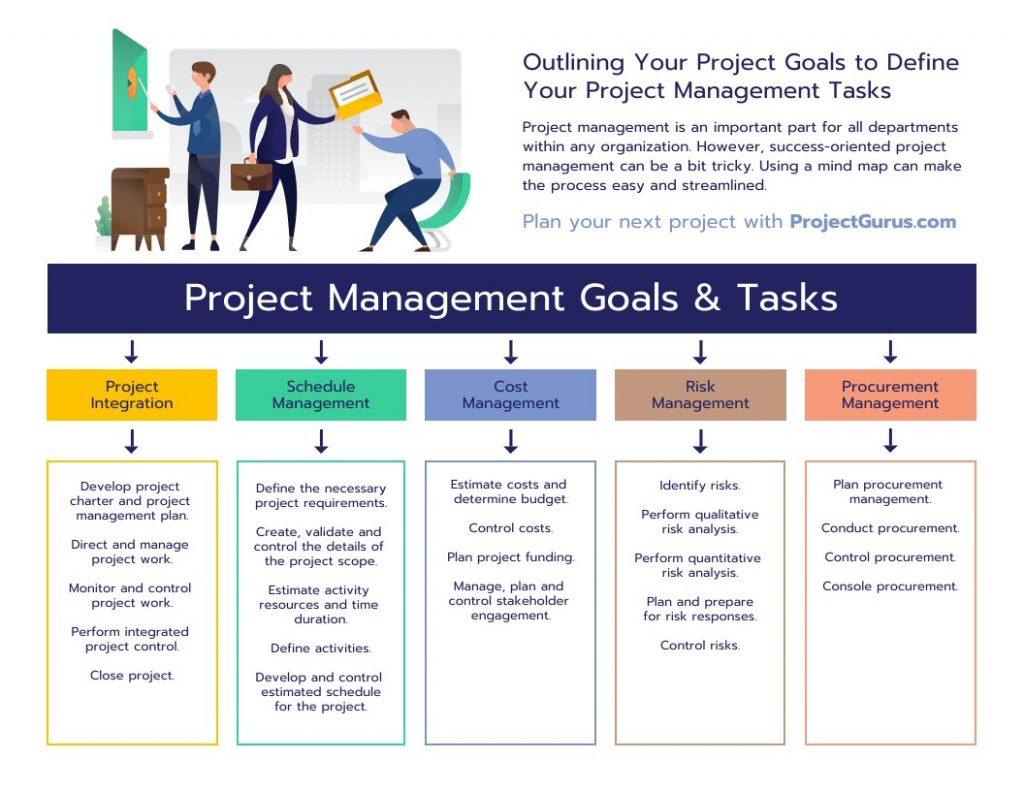
In the realm of freelancing, effective project management is essential for success. As a freelancer, you may find yourself juggling multiple clients, deadlines, and expectations all at once. To excel in this dynamic environment, consider adopting the following strategies to streamline your workload:
- Utilize Project Management Tools: Platforms like Trello, Asana, or ClickUp can help you visualize tasks, set deadlines, and track progress.
- Establish Clear Communication Channels: Regular check-ins and transparent communication with clients build trust and reduce misunderstandings.
- Set Realistic Goals: Break projects into manageable phases, allowing for flexibility while keeping the momentum going.
- Document Everything: Keep thorough records of agreements, feedback, and deliverables to ensure alignment with client expectations.
Additionally, consider leveraging time-management techniques such as the Pomodoro Technique or time-blocking to enhance productivity. By managing your time effectively, you can ensure that you meet deadlines without sacrificing the quality of your work. When engaging with clients, creating a simple visual representation of your project timelines can be effective. Here’s a quick overview of how your project timeline might look:
| Phase | Start Date | End Date |
|---|---|---|
| Initial Consultation | 01/01/2024 | 01/03/2024 |
| Draft Submission | 01/04/2024 | 01/10/2024 |
| Final Revisions | 01/11/2024 | 01/15/2024 |
| Project Delivery | 01/16/2024 | 01/16/2024 |

Remote Freelance Jobs
With the rise of the gig economy, offer unparalleled opportunities for individuals seeking flexibility and autonomy in their careers. Many platforms cater to diverse skill sets, allowing freelancers to connect with clients from around the globe. Whether you’re a seasoned professional or just starting, you can explore opportunities in areas such as:
- Writing and Editing: Content creation is in high demand, from blogging to technical writing.
- Graphic Design: Designers can showcase their creativity by working on branding, web design, and more.
- Web Development: Coders and developers are sought after for building and maintaining websites.
- Marketing: Digital marketing specialists can assist businesses in enhancing their online presence.
- Virtual Assistance: Organizing schedules and managing administrative tasks for clients remotely.
Finding the right platform is essential to accessing effectively. Below is a comparison of popular platforms, highlighting their distinct features:
| Platform | Main Focus | Fee Structure |
|---|---|---|
| Upwork | Various industries | 20% on the first $500 |
| Fiverr | Creative services | 20% commission on each transaction |
| Freelancer | Mixed projects | 10% project fee |
| Guru | Professional services | 5% to 9% based on membership |

Freelance Photography
The landscape offers a vibrant mix of opportunities for creatives looking to showcase their skills and build a client base. With the rise of specialized freelancing platforms, photographers can now reach a wider audience and showcase their portfolios effectively. Essential elements to consider when choosing a platform include:
- User Interface: A clean, intuitive design helps both photographers and clients navigate the platform easily.
- Commission Fees: Be mindful of the fees taken by the platform; they can impact your earnings.
- Target Audience: Some platforms cater specifically to certain niches, such as wedding photography or commercial shoots.
- Feedback and Ratings: Look for platforms that offer a robust review system to help build credibility.
Once you’ve established your online presence, it’s critical to engage consistently with potential clients. This includes answering inquiries promptly and showcasing recent work to keep your portfolio dynamic. Building a professional network is also advantageous, as it can lead to referrals and collaboration opportunities. Consider the following strategies to enhance your visibility:
- Utilize Social Media: Share your work on platforms like Instagram and Facebook to attract clients and collaborators.
- Join Photography Forums: Engage in communities where you can share experiences and seek advice.
- Offer Promotions: Limited-time discounts can attract new clientele and generate buzz around your services.

Freelance Video Editing
offers a unique avenue for creatives to express their vision while navigating the fast-paced gig economy. As content consumption continues to rise, the demand for skilled video editors has skyrocketed, making platforms tailored for freelancers invaluable. Popular platforms such as Upwork, Fiverr, and Freelancer allow video editors to showcase their portfolios, connect with clients, and manage projects seamlessly. Each platform presents its own set of tools and features that can enhance your productivity and outreach. Here are some key aspects to consider:
- Portfolio Presentation: Showcase your best work to attract potential clients.
- Client Reviews: Build a reputation through ratings and feedback from previous projects.
- Payment Security: Many platforms provide escrow services to ensure you get paid for your work.
In addition to these benefits, understanding how to price your services competitively is crucial. Many freelance editors prefer to charge per project or offer package deals to ensure consistent income. It’s important to analyze market trends and set rates that reflect your experience and skill level. Below is a simple pricing guideline based on project complexity:
| Project Type | Estimated Rate |
|---|---|
| Short Social Media Clips | $50 – $150 |
| Corporate Videos | $300 – $800 |
| Documentary Edits | $500 – $1500 |

Freelance Social Media Manager
As the digital landscape continues to expand, businesses are recognizing the value of a strong social media presence, creating a surge in demand for s. These professionals are tasked with curating content, engaging audiences, and managing brand reputations across diverse platforms. To successfully navigate this burgeoning field, freelancers must leverage various freelancing platforms that connect them with potential clients, allowing for flexibility and the opportunity to showcase their skills. Popular platforms include:
- Upwork – A comprehensive marketplace for various freelance jobs.
- Fiverr – Best for offering specific social media services at set prices.
- Freelancer – A platform that allows bidding on projects, appealing for competitive freelancers.
- PeoplePerHour – Focuses on connecting businesses with freelancers for hourly work.
Success in this role depends on not just technical skills, but also on the ability to craft strategies tailored to diverse client needs. A competitive should be adept at skills such as analytics interpretation, content creation, and community engagement. To track these competencies and present them to prospective clients effectively, many freelancers utilize a skills showcase table:
| Skill | Description | Level of Proficiency |
|---|---|---|
| Content Strategy | Developing effective plans to enhance brand presence. | Expert |
| Engagement Tactics | Techniques to enhance audience interaction. | Advanced |
| Analytical Skills | Interpreting data to refine strategies. | Intermediate |

Freelance SEO Expert
Maximize Your Impact as a Freelance SEO Professional
In the competitive landscape of digital marketing, a brings invaluable skills to the table. By harnessing the right tools and strategies, you can significantly enhance a client’s online presence. Key elements to focus on include:
- Keyword Research: Identify high-traffic keywords that resonate with target audiences.
- On-Page Optimization: Optimize content through meta tags, headers, and internal linking.
- Technical SEO: Ensure that websites are crawlable and indexed properly.
- Link Building: Develop a robust backlink profile to boost domain authority.
Success in freelancing platforms often hinges on your ability to present your services effectively. A comprehensive portfolio showcasing previous work, case studies, and client testimonials can set you apart from the competition. Consider organizing your portfolio in a table format to make it visually appealing and easy to navigate:
| Project | Client | Results |
|---|---|---|
| Website Optimization | XYZ Corp | Increased traffic by 50% |
| Content Strategy | ABC Inc | Boosted engagement by 30% |
| SEO Audit | 123 Ltd | Identified 15 key issues |

Freelance Copywriting
In the vibrant realm of , mastering the art of persuasion is key. Copywriters are the architects of compelling content, using words to captivate audiences and drive action. They work across various mediums, from website copy to email marketing, and even social media posts. As a freelancer, the ability to adapt your writing style to suit different brands and target demographics is crucial. Here are some essential skills to develop:
- Research Proficiency: Understand your subject deeply for credibility.
- SEO Knowledge: Optimize content to enhance visibility and engagement.
- Editing Skills: Ensure clarity and impact through refinement.
- Creativity: Find unique angles to make your content stand out.
Freelance copywriters often find their first opportunities through various platforms tailored to gig economy workers. The choice of platform can significantly influence your visibility and client outreach. Below is a brief comparison of popular freelancing websites that cater specifically to copywriters:
| Platform | Strengths | Target Audience |
|---|---|---|
| Upwork | Diverse jobs, large client pool | Businesses of all sizes |
| Fiverr | Specialized services, quick gigs | Startups and individuals |
| Freelancer | Bidding system, competitive rates | Global clients |
| ProBlogger | Job board, niche focus | Bloggers and content-focused businesses |

Freelance Business Tips
When diving into the vast ocean of freelancing platforms, it’s crucial to choose wisely to elevate your freelance business. Each platform has unique attributes catering to different niches, so consider your skills and target market. Upwork offers a broad range of projects, making it ideal for generalists, while Fiverr focuses on specific services at various price points, great for those with niche skills. Evaluate your options by examining factors such as client feedback, platform fees, and the ease of finding projects that align with your expertise. Here’s a quick overview of popular platforms:
| Platform | Best For | Key Feature |
|---|---|---|
| Upwork | General Freelancers | Wide range of job categories |
| Fiverr | Niche Services | Service-specific listings |
| Freelancer.com | Project-Based Work | Competitive bidding system |
| 99designs | Design Professionals | Design contests |
Once you’ve selected platforms that resonate with your goals, building a compelling profile becomes your next priority. Showcase your skills through an engaging bio that highlights your experience and unique selling points. Including a professional portfolio with samples of your work allows potential clients to gauge your capabilities. Additionally, consider networking with other freelancers on these platforms; exchanging tips and experiences can foster collaboration and lead to referrals. Lastly, don’t underestimate the power of authentic client communication; timely responses and professional interactions can significantly enhance your relationship with clients and solidify your reputation in the gig economy.
Freelance Rates and Pricing
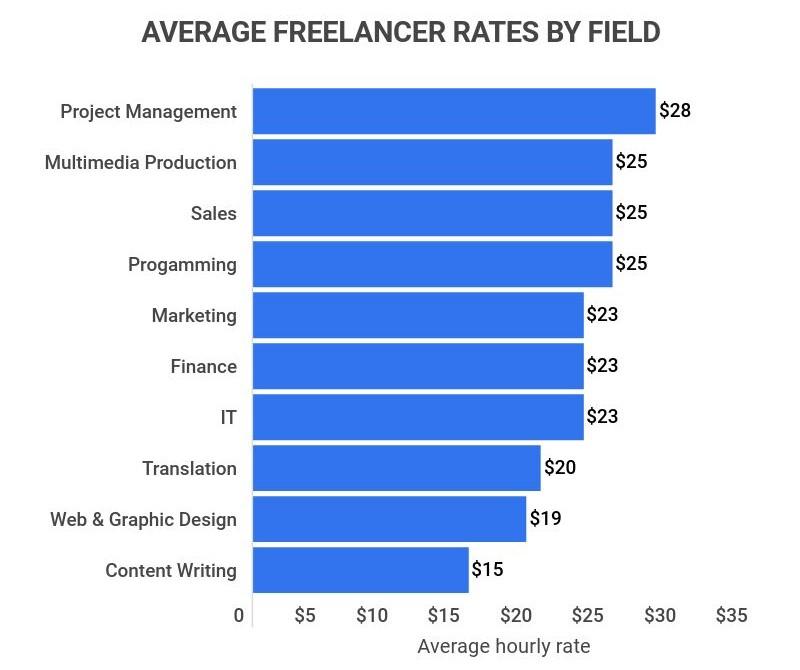
When setting your freelance rates, it’s essential to strike a balance between fair compensation for your skills and remaining competitive in the marketplace. Understanding market demand and your level of expertise can greatly influence your pricing strategy. For instance, while a beginner might choose to establish a foothold in the gig economy by offering lower rates, seasoned freelancers can command premium prices. Effective pricing strategies could include:
- Hourly Rates: Charge based on the time spent on a project.
- Project-Based Rates: Set a flat fee for the entire project, considering scope and complexity.
- Retainer Fees: Secure ongoing work by charging clients a monthly fee for a set number of hours or services.
Moreover, transparency in your pricing helps build trust with clients. They appreciate knowing upfront what to expect. Consider creating a simple pricing table that outlines common services and their corresponding rates. This could look like:
| Service | Price |
|---|---|
| Basic Website Design | $500 |
| SEO Content Writing (per 1000 words) | $200 |
| Social Media Management (per month) | $300 |
By laying out your services in such a format, clients can easily identify the value you offer, facilitating quicker decisions and fostering a professional relationship. Keep in mind that periodic reviews of your rates can help you adapt to changing market conditions and reflect your continuous growth as a freelancer.
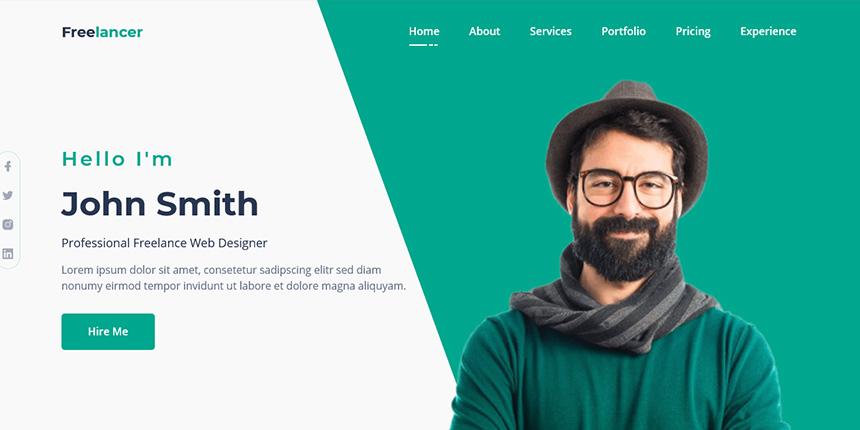
Building a Freelance Portfolio
Creating a compelling freelance portfolio is essential for showcasing your skills and attracting potential clients. Your portfolio should not only highlight your best work but also reflect your unique style and approach. Consider including the following elements:
- Project Samples: Curate a selection of your finest projects that best represent your capabilities.
- Client Testimonials: Incorporate feedback from previous clients to add credibility to your work.
- Case Studies: Provide brief analyses of your project processes, challenges faced, and how you overcame them.
- Skills Breakdown: List your relevant skills, along with any software or tools you excel in.
Additionally, the presentation of your portfolio is crucial; make it visually appealing and easy to navigate. An organized layout helps potential clients quickly assess your expertise. Consider utilizing a simple table format to categorize your projects:
| Project Name | Year | Type of Work | Link |
|---|---|---|---|
| Brand Identity Revamp | 2023 | Graphic Design | View Project |
| SEO Audit & Strategy | 2022 | Consulting | View Project |
| E-commerce Website Development | 2022 | Web Development | View Project |
Freelance Contract Templates
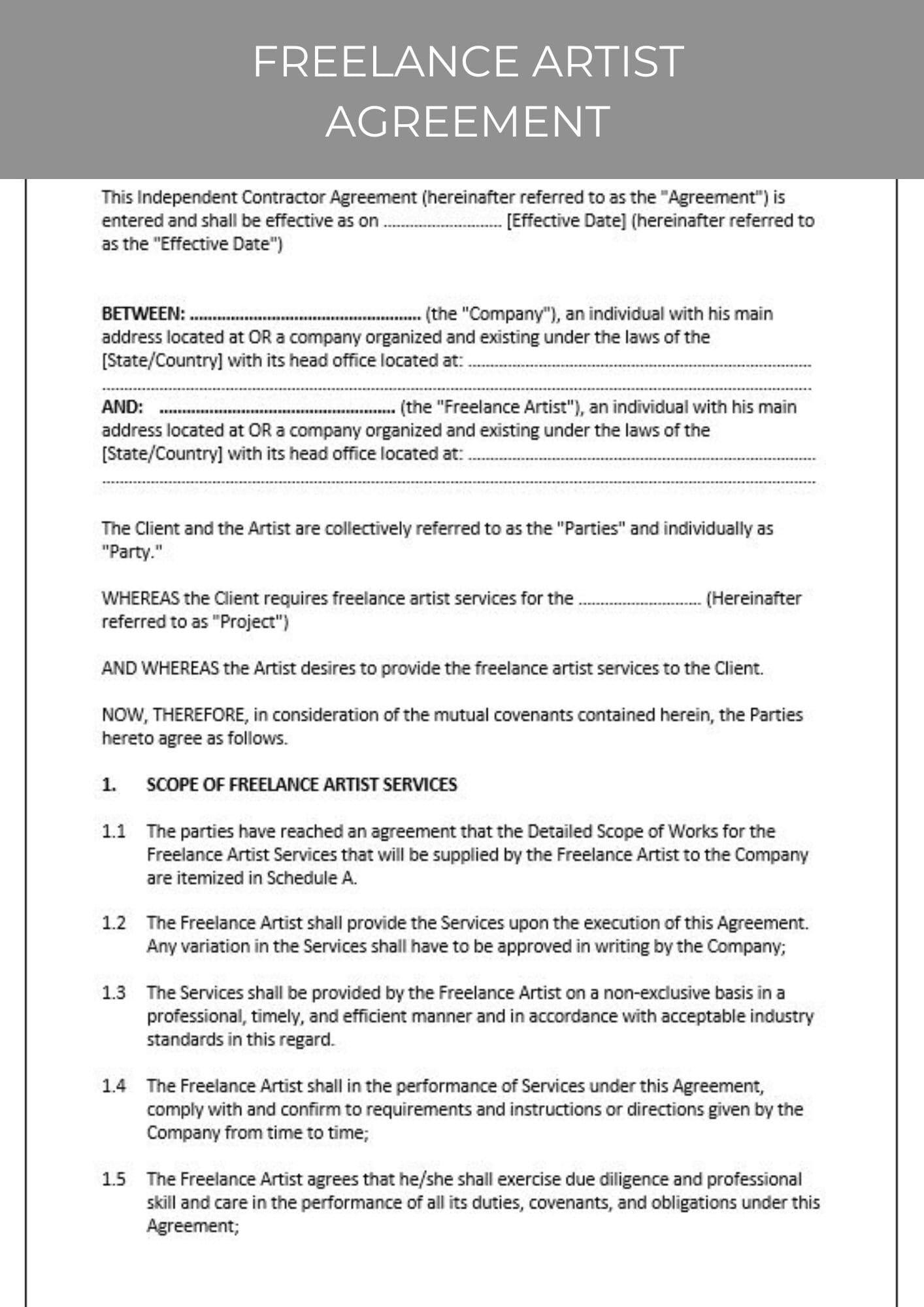
For freelancers venturing into the gig economy, having a solid contract is essential to safeguard your work and clarify expectations. A well-structured agreement lays the groundwork for a successful working relationship with clients. When crafting your contract, consider including the following key components:
- Scope of Work: Clearly define the tasks and deliverables expected from both parties.
- Deadlines: Specify timelines for project completion and milestone submissions to avoid misunderstandings.
- Payment Terms: Outline the payment structure, including rates, due dates, and any upfront deposits.
- Revisions and Feedback: Set guidelines for how many revisions are included and the feedback process.
- Termination Clause: Describe the conditions under which either party may terminate the contract.
Using a template can streamline the process of drafting these essential agreements. There are numerous available online that cater to various industries and project types. Below is a simple comparison table of popular to help you choose the right one for your needs:
| Template | Key Features | Industry Specific |
|---|---|---|
| General Freelancer Contract | Customizable sections, easy-to-understand language | Yes |
| Graphic Design Agreement | Usage rights, design revision clauses | Design |
| Web Development Contract | Technical specifications, payment milestones | Tech |
| Content Writing Agreement | Word count, copyright ownership | Writing |

Freelance Time Management
Effective time management is crucial for freelancers who juggle multiple projects and deadlines. To maximize productivity, it is essential to establish a routine that suits your working style. Consider implementing strategies like:
- Setting clear goals: Define daily, weekly, and monthly objectives to maintain focus.
- Prioritizing tasks: Use techniques such as the Eisenhower Matrix to identify urgent versus important tasks.
- Time blocking: Allocate specific time slots for different projects, allowing for uninterrupted work sessions.
- Regular breaks: Incorporate short breaks to rejuvenate your mind, ultimately enhancing your overall efficiency.
Additionally, utilizing tools can streamline your workflow and improve accountability. Consider leveraging:
- Task Management Apps: Tools like Trello or Asana can help keep track of various projects.
- Time Tracking Software: Apps like Toggl can monitor how long you spend on each task, providing insights for future planning.
- Calendar Systems: Digital calendars allow you to schedule meetings and deadlines while setting reminders.

Freelance Networking
Building a network while freelancing is essential for success in the gig economy. Connecting with others in your field not only opens up new opportunities but also enriches your experience. Engaging with peers and mentors can lead to collaborative projects, referrals, and valuable feedback. Consider participating in both online and offline communities, such as:
- Freelancer Forums: Platforms like Upwork and Freelancer have forums where you can seek advice and share experiences.
- Social Media Groups: Join LinkedIn or Facebook groups that focus on your niche.
- Local Meetups: Participate in industry-related meetings or workshops in your area.
Moreover, forming genuine relationships is the key to a fruitful network. Instead of viewing networking merely as a means to an end, invest time in understanding others’ work and challenges. Offer help when you can, whether it’s providing feedback on a project or sharing resources. Here’s a simple table illustrating effective networking strategies:
| Networking Strategy | Description |
|---|---|
| Attend Conferences | Connect with industry leaders and potential clients. |
| Workshops and Webinars | Enhance skills while meeting like-minded individuals. |
| Cold Outreach | Reach out to potential collaborators or mentors via email. |

Freelancing in Tech
The realm of technology freelancing offers a dynamic landscape with countless opportunities for skilled professionals. As a tech freelancer, you can find a variety of roles ranging from web development and software engineering to UI/UX design and data analysis. The beauty of this field lies in its versatility, allowing you to choose projects that align with your expertise and interests. Many freelancers appreciate the autonomy that comes with selecting clients and setting their own schedules. However, navigating this space demands a keen understanding of common platforms where these opportunities emerge.
Popular platforms such as Upwork, Freelancer, and Fiverr cater to tech professionals, each providing unique features to facilitate the freelancer-client relationship. Below is a simple comparison of these options:
| Platform | Key Features | Ideal For |
|---|---|---|
| Upwork | Hourly and project-based work, comprehensive job filters | Experienced freelancers seeking long-term clients |
| Freelancer | Competitions for projects, diverse job categories | Freelancers looking to showcase their skills |
| Fiverr | Service listings, fixed project rates | Freelancers offering specific services |
Choosing the right platform is crucial in establishing a successful freelancing career in tech. Understand your strengths and the types of projects you want to tackle, and don’t hesitate to explore multiple platforms to diversify your opportunities. By staying adaptable and continuously improving your skill set, you can thrive in the growing gig economy.

Freelance Taxes and Accounting
As a freelancer, keeping abreast of your taxes and accounting is essential for avoiding last-minute surprises come tax season. Unlike traditional employees, independent contractors are responsible for tracking their income and expenses throughout the year. Here are some key considerations to keep in mind:
- Income Tracking: Use invoicing software or spreadsheets to monitor all your earnings.
- Deductions: Familiarize yourself with what expenses are deductible, such as home office supplies, software subscriptions, and travel costs.
- Quarterly Payments: Plan for estimated tax payments every quarter to avoid penalties.
- Set Aside Funds: Allocate a portion of each payment received to cover your tax liabilities.
Additionally, leveraging tools designed specifically for freelancers can streamline your accounting process. Many platforms provide integrated tax calculators and expense tracking features. It’s also wise to consult with a tax professional who understands freelance work, as they can provide insights tailored to your specific situation. Here’s a simple table to help you differentiate between common expense categories:
| Expense Category | Description |
|---|---|
| Office Supplies | Items needed for day-to-day operations, such as pens and paper. |
| Software Fees | Subscriptions for software tools critical to your work. |
| Marketing Costs | Expenses related to promoting your business, like ads and website hosting. |
| Travel Expenses | Costs incurred for both business-related travel and transportation. |

Freelance Client Retention
Building lasting relationships with clients is crucial for any freelancer aiming to thrive in the gig economy. A key aspect of client retention lies in effective communication. Establishing clear expectations from the outset can significantly enhance a client’s experience. Be proactive in your interactions; check in regularly to offer updates on project progress or address any concerns promptly. Additionally, listen actively to client feedback and be open to making adjustments based on their needs. This approach not only shows that you value their input but also fosters a sense of collaboration.
Another essential factor in keeping clients coming back is delivering quality work consistently. To ensure that you meet or exceed expectations, consider implementing the following strategies:
- Set realistic deadlines: Avoid overpromising and focus on delivering on time.
- Maintain a professional demeanor: Treat each project as a priority and act accordingly.
- Follow up after project completion: A friendly message thanking them for their business can leave a positive impression.
Furthermore, creating a rewards system for repeat clients can enhance loyalty. Consider establishing discount programs or offering exclusive services that cater specifically to returning customers. By prioritizing these elements, freelancers can create a sustainable client base that thrives on trust and mutual respect.

Freelancing Full-Time vs Part-Time
Choosing between full-time and part-time freelancing largely depends on your personal circumstances, financial needs, and career goals. Full-time freelancing can provide the independence to select projects that truly resonate with your passions, but it requires a consistent flow of clients to ensure financial stability. Freelancers who dive in full-time often benefit from greater visibility in their chosen niche, allowing for deeper professional development and stronger network connections. However, they must also navigate the complexities of self-employment taxes, healthcare, and fluctuating income, which can be daunting without a robust support system.
Conversely, part-time freelancing offers the flexibility to explore different projects while maintaining a stable income from a traditional job. This can act as a safety net, allowing you to test the waters of freelancing without the pressure of making it your sole income source. Many part-time freelancers appreciate the opportunity to develop their skills gradually and build a portfolio, all while enjoying the benefits that come with full-time employment, such as healthcare and retirement plans. However, the challenge lies in effectively managing time and energy to avoid burnout from juggling multiple responsibilities.

Freelance Job Boards
Finding the right freelancing platform can significantly influence your success in the gig economy. Numerous job boards cater to various niches, offering tailored opportunities for freelancers. Here are some of the most popular platforms where you can showcase your skills and connect with potential clients:
- Upwork: A versatile platform ideal for a wide range of professions, from writing to coding.
- Fiverr: Best known for its gig-based offers, allowing freelancers to propose services at different price points.
- Freelancer: Offers a bidding system where freelancers can compete for projects.
- Guru: Enables freelancers to showcase their work portfolio and build long-term relationships with clients.
- PeoplePerHour: Focuses on project-based work and hourly contracts, primarily in tech and creative fields.
When considering which platform to join, it’s essential to evaluate the fees, the types of projects available, and the level of support offered to freelancers. Below is a comparative table that outlines some vital aspects of these platforms:
| Platform | Fee Structure | Project Types | Client Interaction |
|---|---|---|---|
| Upwork | Variable Fees (20% to 5%) | All fields | Chat and Video |
| Fiverr | 20% Commission | Gigs | Direct Messaging |
| Freelancer | Variable Fees (10% to 20%) | All fields | Bidding System |
| Guru | 5% to 9% Commission | All fields | Secure Messaging |
| PeoplePerHour | Free to post / 20% Commission | Mostly tech and creative | Direct Messaging |

Freelance Branding Strategies
Building a strong and recognizable presence in the freelance marketplace is essential for long-lasting success. To achieve this, focus on creating a cohesive brand that reflects your skills and personality. Start by defining your unique selling proposition (USP) that sets you apart from competitors. Consider the following elements to enhance your freelance brand:
- Visual Identity: Design a professional logo and select a consistent color palette to use across all platforms.
- Strong Portfolio: Showcase your best work in a visually appealing format, highlighting different projects to attract diverse clients.
- Clear Messaging: Craft a compelling bio and service descriptions that encapsulate who you are and what you offer.
- Social Proof: Collect testimonials and case studies from past clients to build trust and credibility.
Once your branding is established, leverage social media and freelance platforms to promote your offerings. Engage with potential clients through content marketing strategies, such as blogging or posting insightful tips related to your niche. Consider utilizing a content calendar to maintain consistency in your communications, as this fosters recognition and engagement. The following table outlines suggested platforms and branded strategies:
| Platform | Branding Strategy |
|---|---|
| Optimize your profile with a professional photo and summary that showcases your experience. | |
| Create an aesthetically pleasing feed that reflects your style and personality. | |
| Behance | Present curated projects that highlight your creative capabilities and professional growth. |
| Upwork | Write a strong proposal that emphasizes your expertise and relevant experience. |
Freelancing in Graphic Design
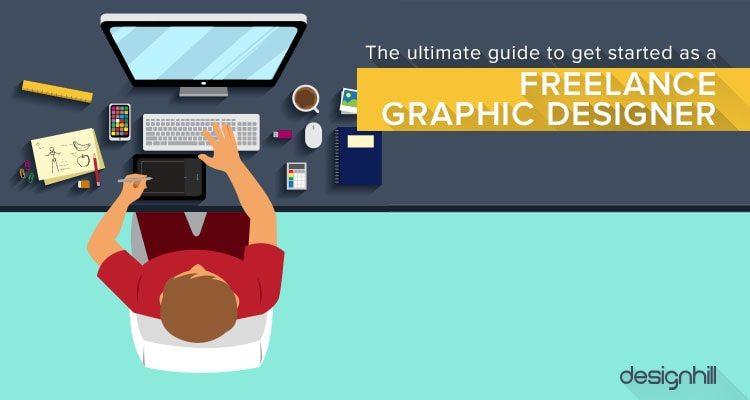
In the realm of graphic design, freelancing offers a unique opportunity for creativity and flexibility. Graphic designers can choose projects that align with their interests and expertise, allowing them to build a diverse portfolio. Freelancing platforms such as Upwork, Fiverr, and 99designs serve as perfect gateways for designers to showcase their talents and attract clients from around the globe. These platforms not only provide a space to display your work but also enable you to negotiate terms, set your own rates, and manage your workflow efficiently. By creating a compelling profile, you can stand out in a competitive market and connect with clients seeking innovative design solutions.
Moreover, successful hinges on effective communication and project management. Keeping a close track of deadlines and client feedback ensures that your projects run smoothly. Consider implementing tools such as Slack for communication and Trello for task management to enhance collaboration with clients. Below is a simple table highlighting key platforms, their primary features, and target clientele:
| Platform | Key Features | Best For |
|---|---|---|
| Upwork | Budget flexibility, project bidding | Freelancers of all skill levels |
| Fiverr | Service packages, quick turnaround | New freelancers and small projects |
| 99designs | Design contests, client feedback | Graphic designers looking for visibility |
Freelance Personal Development
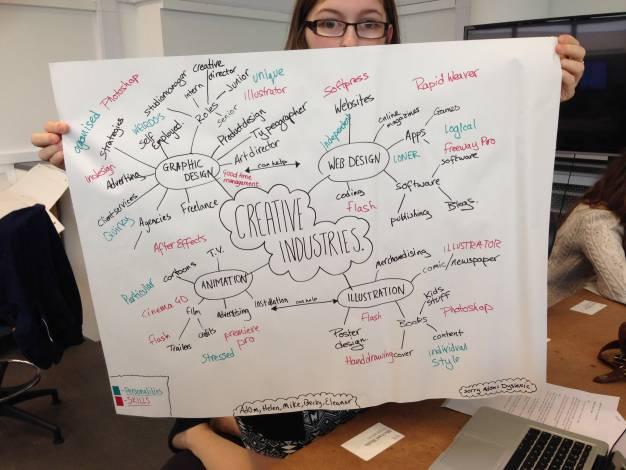
To thrive in the gig economy, freelancers must engage in continuous self-improvement and personal development. This involves not only mastering your craft but also enhancing soft skills that are crucial for success in a competitive marketplace. Important areas to focus on include:
- Time Management: Learn how to prioritize tasks and set realistic deadlines to maximize productivity.
- Communication: Develop clear and concise communication skills to interact effectively with clients and collaborators.
- Networking: Build a professional network that can lead to new opportunities and collaborations.
- Adaptability: Stay open to change and ready to pivot as market demands evolve.
Utilizing freelancing platforms wisely can also enhance your personal development journey. By utilizing features offered by these platforms, such as feedback loops and client ratings, you can gain valuable insights into areas where improvement is needed. Consider tracking your progress with a simple table to visualize your growth:
| Skill | Current Level | Target Level | Notes |
|---|---|---|---|
| Time Management | Intermediate | Advanced | Utilize apps for task prioritization. |
| Communication | Basic | Proficient | Join a public speaking group. |
| Networking | Novice | Intermediate | Attend at least one event monthly. |
Freelance Income Diversification
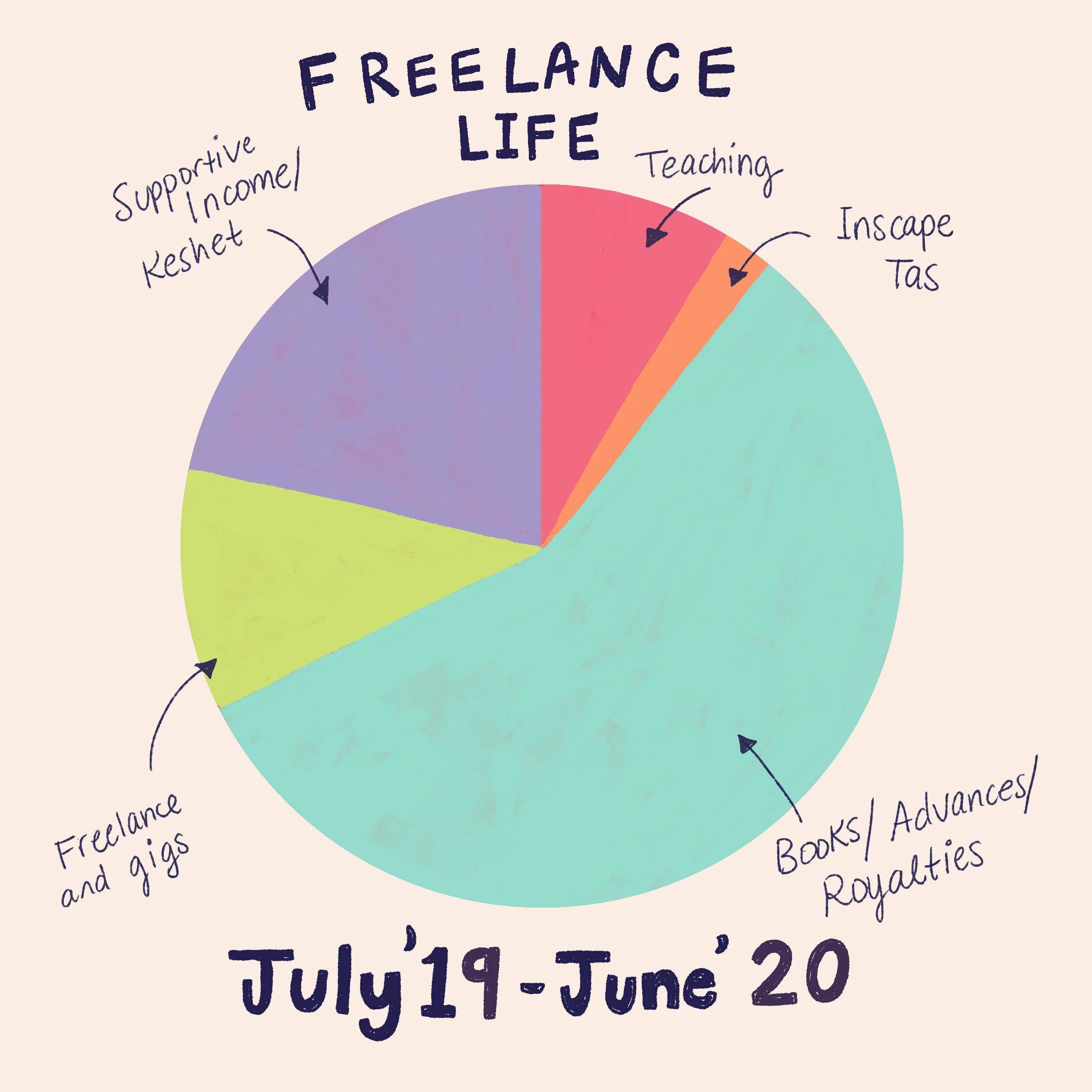
Diversifying your freelance income streams is a strategic approach to ensure financial stability in the unpredictable gig economy. By expanding your portfolio of services or tapping into multiple platforms, you can reduce reliance on any single source of income. Consider the following avenues to diversify your earnings:
- Complementary Services: If you’re a graphic designer, offer related services like branding or social media management.
- Passive Income: Create and sell digital products such as e-books, online courses, or stock graphics.
- Multiple Platforms: Establish a presence on various freelancing websites to reach a broader audience and increase job opportunities.
- Retainer Clients: Build ongoing relationships with clients for guaranteed monthly income instead of project-based payments.
It’s also important to stay adaptable and aware of market trends. By tracking your freelance activities and outcomes, you can identify which services or platforms yield the highest return on investment. Below is a simple table showcasing various freelance services along with their potential platforms:
| Service Type | Recommended Platforms |
|---|---|
| Graphic Design | 99designs, Fiverr, Behance |
| Writing & Editing | Upwork, Freelancer, ProBlogger |
| Web Development | Toptal, Guru, Freelancer |
| Marketing & SEO | PeoplePerHour, Hubstaff Talent, Fiverr |
Freelance Career Growth
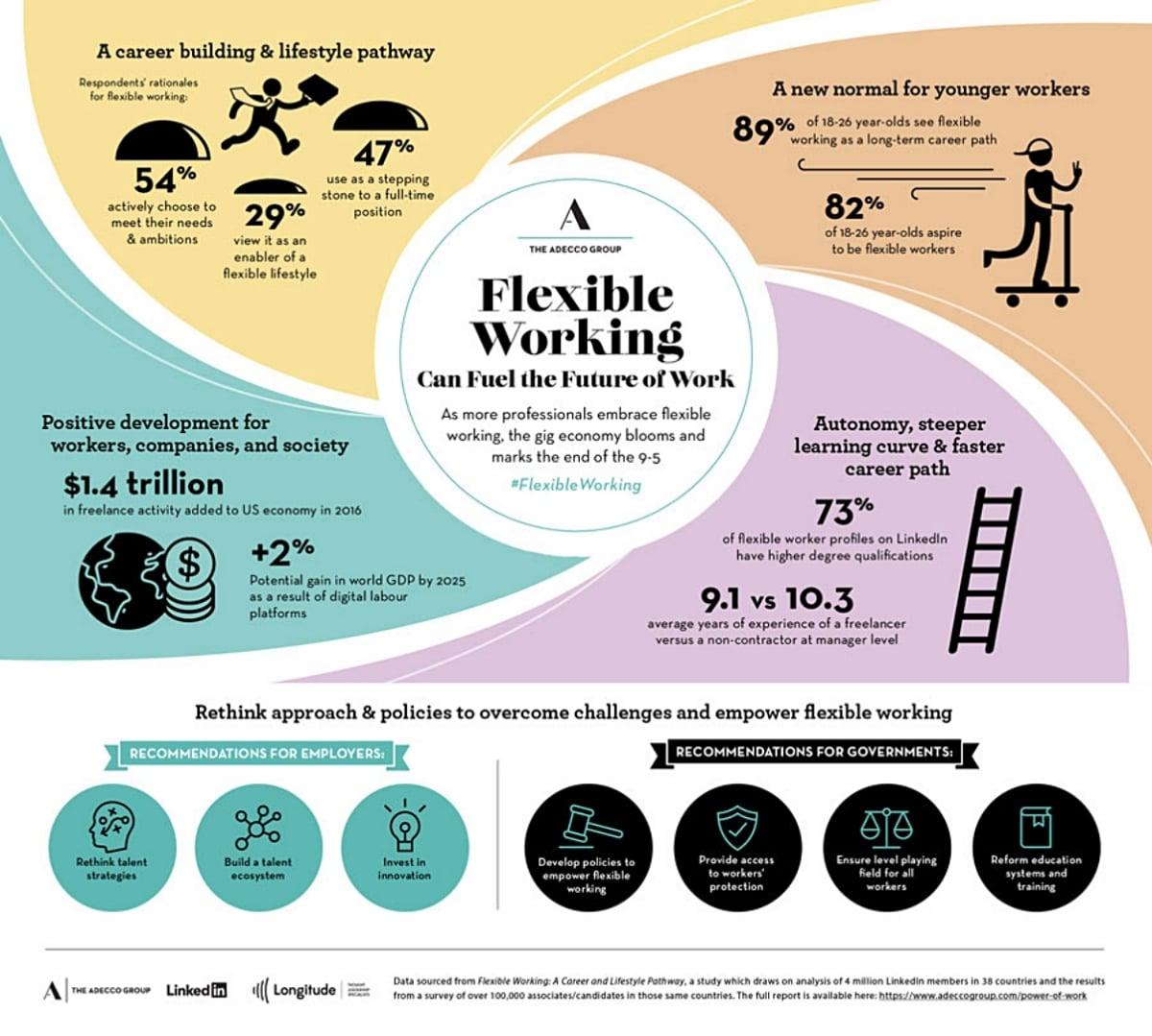
As you embark on your freelance journey, it’s essential to focus on strategic growth. Building a strong presence on freelancing platforms begins with creating a standout profile. Make sure to include high-quality samples of your work and detail your skills clearly. Consider the following tips to enhance your visibility:
- Networking: Engage with other freelancers and potential clients.
- Continuous Learning: Keep up with industry trends and technologies.
- Reviews and Testimonials: Encourage past clients to leave feedback to establish credibility.
In addition to a polished profile, diversifying your services can significantly contribute to your growth. Identify complementary skills or services that you can offer to attract a broader range of clients. For instance, if you’re a graphic designer, consider adding branding or social media management to your repertoire. Below is a simple framework to visualize potential service expansions:
| Current Skill | Potential Expansion |
|---|---|
| Web Development | SEO Services |
| Content Writing | Social Media Management |
| Photography | Photo Editing |

Freelance Market Trends 2024
The freelance landscape in 2024 is poised for significant evolution, driven by technological advancements and shifting workforce dynamics. With businesses increasingly embracing remote work and seeking specialized talent on demand, platforms catering to freelancers are adapting to meet these new needs. Key trends to watch include the rise of niche platforms that focus on specific skill sets, such as design or programming, allowing freelancers to showcase their expertise more effectively. Additionally, the integration of AI tools is expected to enhance project matching and streamline communication between freelancers and clients, fostering more productive collaborations.
As competition grows, freelancers must be more strategic in their approach to selecting platforms that align with their skills and career aspirations. Emerging platforms are not only emphasizing ease of use but also prioritizing community engagement and resource sharing. Freelancers can benefit from participating in forums, networking events, and online workshops offered by these platforms. Here are some emerging freelance platforms worth exploring in 2024:
| Platform Name | Focus Area | Notable Features |
|---|---|---|
| Design Nest | Graphic Design | Portfolio Highlighting, Collaboration Tools |
| CodeConnect | Software Development | Real-Time Coding Demos, Skill Assessments |
| Writer’s Hive | Content Creation | Community Feedback, Revenue Sharing |
Insights and Conclusions
As we close the chapter on navigating the gig economy, it’s clear that freelancing platforms offer a gateway to new opportunities, personal growth, and professional independence. Embracing this dynamic landscape empowers individuals to carve their own paths, connect with diverse clients, and cultivate skills that enhance their careers. Yet, as with any journey, it’s essential to equip yourself with knowledge, set realistic expectations, and remain adaptable to the shifting tides of this ever-evolving industry.
Whether you’re a seasoned freelancer or just taking your first steps into the world of gig work, remember that success is not merely about accumulating projects but also about understanding your worth, managing your time effectively, and cultivating meaningful relationships with clients and peers. The road ahead may have its challenges, but with the right approach, it can also be filled with rewards.
So, take a deep breath, gather your resources, and step confidently into the vibrant ecosystem of freelancing. The world is bustling with possibilities, and your next great adventure awaits just a click away. Happy freelancing!