



In a world increasingly defined by digital innovation, the emergence of blockchain technology stands as a pivotal moment in the landscape of governance and authority. As cryptographic ledgers promise transparency, decentralization, and security, they also invite a host of questions about the frameworks that will guide their integration into society. “Navigating the Future: The Role of Governance in Blockchain” explores the delicate balance between innovation and regulation, examining how governance structures can shape not just the development of blockchain networks but also their broader implications for economies, communities, and individual rights. As we stand on the brink of a new digital era, understanding the interplay between governance and blockchain is essential for fostering a future that harnesses the potential of this transformative technology while safeguarding the values we hold dear.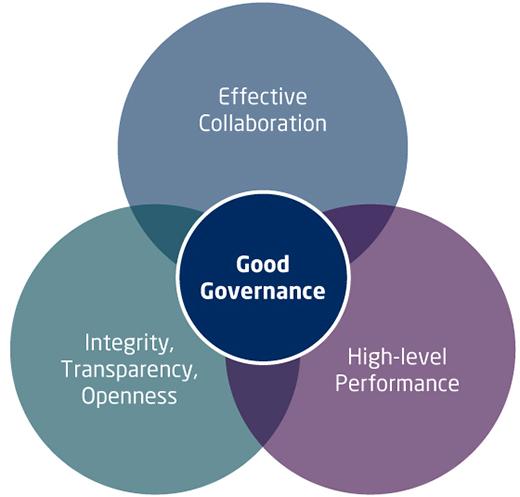
The Intersection of Blockchain Technology and Governance Principles
The convergence of blockchain technology and governance principles presents a transformative opportunity to rethink how we structure organizations and manage resources. By incorporating decentralized systems, traditional governance can evolve, fostering greater transparency, accountability, and inclusivity. Some of the key attributes of blockchain that align with effective governance include:
- Decentralization: This empowers individuals and reduces the concentration of power, allowing for more democratic decision-making processes.
- Transparency: The immutable nature of blockchain records makes it easier for stakeholders to access and verify information, enhancing trust in governance.
- Smart Contracts: Utilizing automated agreements can streamline processes, ensuring compliance and accountability with minimal human intervention.
As we explore these intersections further, it’s also essential to consider the challenges that arise from integrating these technologies. Potential risks include scalability issues, regulatory uncertainties, and the digital divide, which can create disparities in access to blockchain resources. Addressing these concerns requires a careful examination of governance frameworks that leverage:
| Governance Frameworks | Benefits |
|---|---|
| Consensus Mechanisms | Encourages participation and reduces biases |
| Decentralized Autonomous Organizations (DAOs) | Increases stakeholder engagement in decision-making |
| Token-Based Voting | Empowers users to influence outcomes directly |
These innovative frameworks can guide the design of governance models that not only keep pace with technological advancements but also promote ethical practices and social equity. As blockchain continues to mature, its integration with governance principles will shape the future landscape of both private and public sector institutions.
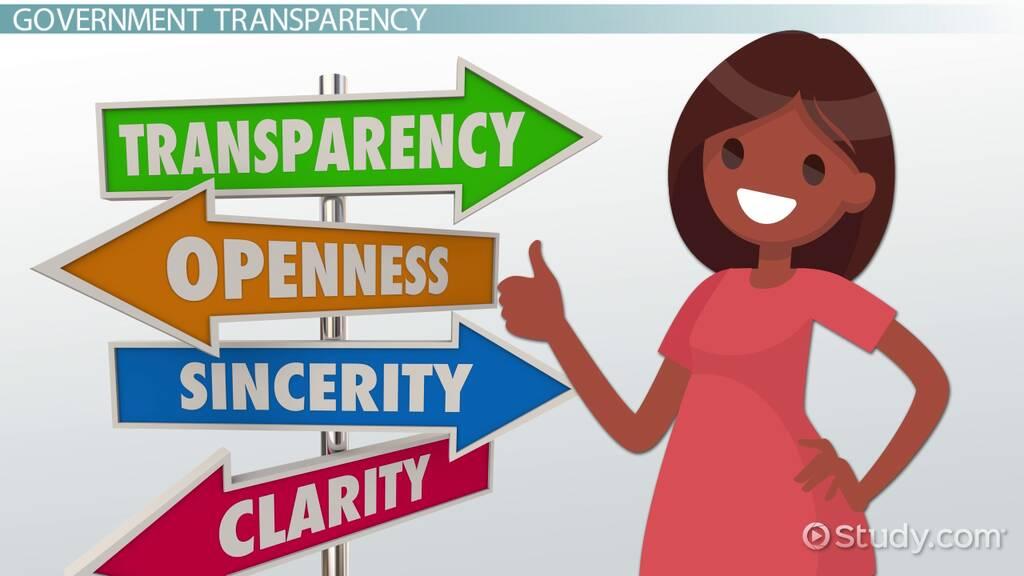
Building Trust through Transparent Governance Frameworks
In an era where skepticism regarding central authority is on the rise, transparency serves as a beacon for building trust within blockchain ecosystems. By establishing clear governance frameworks that delineate roles, responsibilities, and decision-making processes, stakeholders can foster a sense of security and reliability. Transparent governance can facilitate the following:
- Open Communication: Ensuring that all participants have access to relevant information enhances accountability.
- Consensus Mechanisms: Implementing fair voting and consensus protocols can empower users, allowing them to have a say in governance.
- Audit Trails: Maintaining thorough records of transactions and decisions supports scrutiny and validation.
Furthermore, the integration of transparent governance structures can lead to greater user adoption, as potential participants feel more at ease engaging with a platform that prioritizes integrity. Consider the following table that highlights key elements of effective governance in blockchain:
| Governance Element | Description |
|---|---|
| Clarity of Purpose | Well-defined goals and objectives to guide decisions. |
| Participation | Encouraging diverse stakeholder participation enhances inclusivity. |
| Feedback Mechanisms | Systems for gathering user feedback to refine governance practices. |
Navigating Regulation: Balancing Innovation and Compliance
In the realm of blockchain technology, the dance between innovation and regulatory compliance is not just a challenge; it’s a delicate balancing act. Blockchain developers are often at the forefront of technological advancement, crafting solutions that can transform industries. However, navigating this uncharted territory requires not only ingenuity but also a deep understanding of the ever-evolving regulatory landscape. As legislation is drafted and amended, innovative companies must remain agile, adapting their approaches to meet compliance requirements while still pushing the boundaries of what’s possible. Some key considerations include:
- Understanding local and international laws: Each jurisdiction presents its own set of rules that can profoundly affect how blockchain initiatives are developed and implemented.
- Engaging with regulators: Proactive communication can lead to a more constructive dialogue between innovators and regulatory bodies.
- Implementing robust compliance frameworks: Establishing comprehensive governance models that prioritize transparency can foster trust among stakeholders.
Moreover, the integration of automated compliance tools is becoming increasingly vital. These technologies can streamline processes, ensuring that organizations adhere to regulatory standards without stifling their innovative spirit. For instance, leveraging smart contracts can automate compliance checks and reporting, significantly reducing the burden on companies. Here’s a simple overview of how compliance tools can be structured:
| Compliance Tool | Functionality | Benefits |
|---|---|---|
| Smart Contracts | Automate contract execution and compliance checks | Reduce human error, enhance efficiency |
| Regulatory Dashboards | Real-time tracking of compliance metrics | Improve transparency, facilitate decision-making |
| Data Privacy Tools | Ensure user data is protected according to regulations | Build trust with users, avoid legal penalties |

Empowering Stakeholders: Ensuring Inclusivity in Blockchain Decision-Making
In the rapidly evolving landscape of blockchain technology, the importance of inclusivity in decision-making cannot be overstated. By actively engaging a diverse range of stakeholders, projects can tap into a wealth of perspectives that enrich the governance process. This can be achieved through multiple strategies, including:
- Transparent Communication: Ensuring that all stakeholders are kept informed about decisions and changes within the blockchain ecosystem fosters trust and participation.
- Flexible Governance Structures: Adopting adaptable governance frameworks allows for the integration of community feedback, ensuring that a wider array of voices is heard.
- Educational Initiatives: Providing resources and training empowers underrepresented groups, enabling them to contribute effectively to discussions and decision-making.
Moreover, facilitating collaboration between established entities and grassroots movements can bridge the gap between technical expertise and community needs. A systematic approach to stakeholder engagement can be illustrated in the following table:
| Stakeholder Group | Engagement Method | Benefits |
|---|---|---|
| Developers | Hackathons and Workshops | Encourage innovation and hands-on problem-solving. |
| Investors | Regular Updates and Reports | Builds trust and ensures alignment with project goals. |
| Community Members | Surveys and Feedback Sessions | Gathers insights that drive user-centric enhancements. |
The Conclusion
As we stand at the crossroads of technology and governance, the journey into the future of blockchain invites us to embrace the complexity and nuance of this evolving landscape. The interweaving of governance frameworks with decentralized systems presents both challenges and opportunities, urging us to rethink traditional models and innovate in the face of uncertainty.
Navigating this uncharted territory requires not just technological prowess but a collaborative spirit that transcends borders, industries, and ideologies. As stakeholders from diverse sectors come together to shape the future of blockchain, the dialogue surrounding governance will be pivotal in crafting a rich tapestry that balances transparency, security, inclusivity, and accountability.
the path we choose will not only define the trajectory of blockchain technology but also the way we conceive of trust, community, and power in a digital age. Let us carry forward the insights gleaned from this exploration, fostering a governance ecosystem that empowers individuals and industries alike, ensuring that the future we build is rooted in shared values and collective progress. With every block that chains us together, may we navigate this future not just with caution, but with a vision that inspires collaboration and innovation for generations to come.