



In the vibrant realm of freelancing, where independence and creativity flourish, the relationship between freelancer and client often determines the success of a project—and the trajectory of a career. As projects come and go, the challenge lies not just in delivering exceptional work, but in transforming one-time clients into long-term collaborators. Welcome to the art of client retention, a pivotal yet often overlooked aspect of the freelance journey. This article delves into innovative strategies that can help freelancers build enduring connections, foster loyalty, and cultivate partnerships that thrive beyond the initial engagement. Whether you’re starting out or seeking to enhance your client relationships, mastering these retention techniques can be the key to unlocking a more sustainable and rewarding freelance career. Join us as we explore the essential elements of retaining clients and turning fleeting opportunities into lasting success.
Freelance Writing
Building lasting relationships with clients is crucial for a successful career. To ensure a steady stream of work, you need to implement effective retention strategies that keep your clients coming back. Start by communicating openly and frequently with your clients; regular updates on project status or just checking in can create a sense of partnership. Additionally, consider offering personalized services that cater specifically to your client’s needs, demonstrating that you value their business and understand their unique requirements. This approach fosters loyalty and establishes a deeper connection that can lead to long-term collaboration.
Another vital strategy is to provide an exceptional experience from the first point of contact through project completion. This includes meeting deadlines, being receptive to feedback, and always striving for high-quality work. Implementing a feedback mechanism can also be beneficial; it not only shows clients that you care about their satisfaction but also helps you refine your skills. A structured client retention plan might look like this:
| Strategy | Description |
|---|---|
| Consistent Communication | Regular updates and check-ins to keep clients informed. |
| Personalization | Tailoring services to meet specific client needs. |
| Quality Assurance | Delivering top-notch content that exceeds expectations. |
| Feedback Loop | Encouraging and implementing client feedback for continuous improvement. |

Freelancing Platforms
As the freelance economy evolves, leveraging the right platforms can significantly enhance your client retention efforts. Strategic selection of platforms allows you to not only showcase your skills but also build lasting relationships with clients who resonate with your brand. Here are some popular options to consider:
- Upwork: A powerhouse for freelancers, offering a diverse range of project types and a vast client pool.
- Fiverr: Focuses on gig-based work, perfect for freelancers who want to provide specific services at varying price points.
- Freelancer: Allows bidding on projects, giving you a chance to compete and showcase your unique value.
- Hubstaff Talent: A free resource for companies looking for remote talent, ideal for finding long-term clients.
While individual platforms have unique features, the key to maximizing client retention lies in how effectively you utilize them. Consider implementing a follow-up strategy that leverages each platform’s communication tools. This can include:
| Platform | Follow-Up Strategy |
|---|---|
| Upwork | Send personalized project updates after completion. |
| Fiverr | Encourage repeat business through special offers for past clients. |
| Freelancer | Utilize the messaging feature to check in with clients post-project. |
| Hubstaff Talent | Maintain connections through regular newsletters showcasing new skills. |

Freelance Graphic Design
For ers, building long-lasting relationships with clients is vital to a sustainable career. It’s not just about delivering stunning visuals; it’s about ensuring clients feel valued and understood. Adopting a proactive approach can significantly boost your client retention rates. Here are some effective strategies:
- Open Communication: Keep lines of communication open; respond promptly to emails and feedback.
- Personalized Experience: Tailor your services to meet individual client needs, demonstrating you care.
- Consistent Quality: Deliver high-quality work on time, every time, to build trust and reliability.
- Follow-Up: Check in post-project to gather feedback and discuss future opportunities.
To further enhance client relationships, consider incorporating a structured feedback loop. This practice not only shows your commitment to improvement but also engages clients in the creative process. Below is a simple table to outline key actions in your retention strategy:
| Action | Benefit |
|---|---|
| Scheduled Weekly Updates | Keeping clients in the loop builds trust. |
| Customized Project Reviews | Demonstrates attention to detail and client needs. |
| Special Offers for Repeat Clients | Incentivizes long-term partnerships and loyalty. |

Freelance Web Development
In the world of , client retention is often more valuable than acquisition. Building long-lasting relationships with clients can lead to steady work and word-of-mouth referrals. Key strategies to enhance this relationship include clear communication, setting realistic expectations, and delivering quality work on time. Develop a regular check-in schedule, where you offer mini updates or insights on industry trends that may impact their projects. This not only positions you as a trusted advisor but also keeps your name at the forefront of their mind for future projects.
Implementing a feedback loop strengthens your relationship and demonstrates your commitment to improvement. Encourage your clients to share their thoughts on your services through surveys or casual conversations. Recognize the benefits of loyalty programs; offering discounts or special packages for returning clients can be a compelling incentive. You could even create an exclusive membership tier, providing additional value through resources or prioritized services. Below is a simple table summarizing effective client retention strategies:
| Strategy | Description |
|---|---|
| Regular Communication | Maintain updates to keep clients informed and engaged. |
| Feedback Loops | Use client feedback to improve service offerings. |
| Loyalty Programs | Offer discounts or exclusive deals to repeat clients. |
| Educational Resources | Provide valuable insights and knowledge to build trust. |

Freelance Marketing Consultant
One of the most crucial aspects of a successful freelance business is the ability to effectively retain clients. To embark on this journey, consider implementing these key strategies:
- Consistent Communication: Regular check-ins and updates can foster relationships and demonstrate your commitment to the client’s goals.
- Value-Added Services: Offering occasional free insights or additional services can show clients you’re invested in their success beyond the contract.
- Soliciting Feedback: Actively seeking client feedback not only improves your services but also makes clients feel involved in their projects.
- Custom Solutions: Tailoring your strategies to fit the unique needs of each client can significantly enhance satisfaction and loyalty.
Another fundamental approach lies in building trust through transparency. Clients appreciate when you keep them informed of your processes, changes, or challenges. Here’s a sample of communication frequency:
| Method | Frequency |
|---|---|
| Email Updates | Weekly |
| Progress Reports | Bi-Monthly |
| Feedback Sessions | Monthly |
Lastly, fostering a community through social engagement, whether on social media or dedicated forums, can open avenues for collaboration and reiterate loyalty. By utilizing creative engagement methods, you’ll not only retain existing clients but attract new ones through referrals, thereby enhancing your freelance marketing consultancy’s reputation.

Freelancing for Beginners
As a newcomer to freelancing, establishing a strong foundation in client retention is essential for long-term success. Your first clients are often the most crucial; they pave the way for future referrals and repeat business. To foster a lasting relationship, consider integrating the following strategies into your workflow:
- Communication: Maintain transparency and regular check-ins to keep clients informed and engaged.
- Feedback: Actively seek feedback on your work — it shows you value their opinion and are dedicated to improvement.
- Exceed Expectations: Deliver your projects ahead of time or offer additional services to surprise and delight your clients.
- Personal Touch: Remember important dates, such as project anniversaries or client birthdays, and send thoughtful messages to reinforce the connection.
Moreover, tracking your progress and client interaction can help you refine your strategies over time. Here’s a simple overview of key metrics to monitor:
| Metric | Description |
|---|---|
| Client Retention Rate | Percentage of clients you keep over a specific time. |
| Repeat Business Rate | Ratio of clients who return for additional services. |
| Project Completion Rate | Percentage of projects delivered on time and to client satisfaction. |

Freelance Project Management
For a freelancer, strong project management skills can significantly enhance client retention. By employing tools that streamline workflows and improve communication, you establish a foundation of trust and efficiency. Consider the following strategies to enhance your project management approach:
- Clearly Defined Objectives: Set specific goals for each project phase, ensuring both you and your client are on the same page.
- Regular Updates: Keep clients in the loop with frequent progress reports; transparency fosters engagement and trust.
- Feedback Loops: Encourage client feedback during the project to adapt quickly to any changes and demonstrate your commitment to their needs.
Utilizing project management software can also reinforce your reliability. Platforms like Trello or Asana help track progress, assign deadlines, and delegate tasks efficiently. Take advantage of these tools, and consider establishing a simple table for clients that outlines project milestones and deadlines:
| Milestone | Deadline | Status |
|---|---|---|
| Project Kickoff | Week 1 | Completed |
| Phase 1 Approval | Week 3 | In Progress |
| Final Delivery | Week 5 | Pending |

Remote Freelance Jobs
In the ever-evolving landscape of remote freelancing, building long-term relationships with clients is paramount. To achieve this, consider implementing strategies that go beyond the initial project. Consistent communication is vital; keep your clients updated on progress and any potential challenges. Additionally, proactively seek feedback—not just at the end of a project, but throughout its duration. This demonstrates your commitment to their satisfaction and ensures that any adjustments can be made promptly.
Moreover, it’s essential to create value beyond your services. Consider offering exclusive content, such as industry insights or relevant resources that can benefit your clients’ businesses. Hosting a brief monthly check-in can also provide an avenue to discuss future projects or additional services you can provide. By focusing on these strategies, you build a foundation of trust and reliability, making clients more likely to return for future collaboration.

Freelance Photography
To truly thrive in the competitive realm of , establishing long-term relationships with clients is paramount. Communication is key; this involves not just being responsive but also reaching out to clients periodically to check in on their needs. It’s essential to maintain a professional yet friendly demeanor, showcasing an approachability that encourages clients to return for future projects. Strategies such as sending personalized follow-ups and keeping a record of past interactions can help create a sense of familiarity that fosters loyalty.
Additionally, offering exclusive perks can motivate clients to return. Consider implementing a loyalty program or special discounted rates for repeat customers. Highlighting your ability to customize services based on their previous projects can also enhance their experience, making them feel valued. A simple way to visualize this strategy can be done through the following table:
| Strategy | Description |
|---|---|
| Personalized Follow-Ups | Reach out post-project to gather feedback and show appreciation. |
| Loyalty Offers | Provide incentives for repeat business, like discounts on future shoots. |
| Custom Packages | Design tailored services that reflect clients’ past preferences. |

Freelance Video Editing
In the ever-evolving landscape of , building lasting relationships with clients is crucial to sustaining a thriving business. Developing a clear understanding of client needs and preferences can set you apart from the competition. To foster strong connections, consider implementing effective communication strategies such as regular updates on project progress, soliciting feedback throughout the editing process, and ensuring quick responsive times. This not only reassures clients but also enhances their engagement with your work, leading to repeat collaborations.
Another important aspect of retaining clients lies in the value-added services you can provide. Here are some ideas to incorporate into your offerings:
- Comprehensive Review Sessions: Schedule meetings to evaluate the edits together.
- Exclusive Discounts: Reward returning clients with special pricing on future projects.
- Personalized Recommendations: Suggest improvements or upgrades based on their previous projects.
By going the extra mile and making clients feel valued, you can ensure they return to you for their video editing needs again and again. Consider a simple tracking method to keep tabs on client preferences and feedback:
| Client Name | Project Type | Preferred Style | Feedback Summary |
|---|---|---|---|
| Client A | Corporate | Cinematic | Likes smooth transitions and upbeat music. |
| Client B | Event Highlights | Documentary | Appreciates narrative-driven storytelling. |
| Client C | Social Media Clips | Fast-paced | Enjoys engaging, quick-cut edits. |

Freelance Social Media Manager
Building Lasting Relationships
To successfully retain clients as a , focus on cultivating strong, authentic relationships. Communication is key; strive to maintain open lines by regularly updating clients on project progress and responding promptly to inquiries. Additionally, consider implementing personalized check-ins and feedback sessions to gauge client satisfaction. This approach not only reinforces your commitment to their success but also allows you to adjust strategies based on their evolving needs.
Delivering Value Beyond Expectations
In the competitive landscape of freelance management, consistently delivering exceptional value can set you apart. Showcase your expertise by offering insights on trends and industry best practices through informative reports or social media audits. You might also consider offering additional services that complement existing projects, such as content creation or performance analysis. Establish a solid foundation with the following strategies:
- Proactive Problem Solving: Anticipate challenges and propose solutions before they escalate.
- Exclusive Offers: Provide loyal clients with discounts or early access to new services.
- Regular Education: Share resources and tutorials to help clients understand the evolving social media landscape.
Client Feedback Implementation
Feedback is a vital component of client retention, allowing you to fine-tune your approach continually. Create a simple system for clients to express their thoughts and suggestions. Use this information to not only enhance your services but reinforce to clients that their opinions matter. Below is a straightforward method to track feedback:
| Client Name | Feedback Received | Action Taken |
|---|---|---|
| Client A | Would love more video content! | Increased video posts by 25%. |
| Client B | Need quicker response times. | Implemented a new communication protocol. |
| Client C | Interested in social media ads. | Developed an ad strategy proposal. |

Freelance SEO Expert
In the competitive landscape of freelance SEO, retaining clients often proves to be just as vital as acquiring them. To cultivate long-term relationships, consider implementing these strategic approaches that elevate your value:
- Personalized Communication: Tailor your updates and reports to reflect the client’s specific goals and metrics, ensuring they feel prioritized.
- Regular Check-ins: Schedule periodic consultations to discuss progress and adjustments, which reinforces your commitment to their success.
- Value-Added Services: Introduce additional services such as website audits or competitor analysis, demonstrating your proactive approach to their SEO needs.
- Client Education: Share insights and resources that empower clients to understand SEO better, building trust and transparency in your relationship.
Moreover, establishing clear performance metrics can significantly enhance client satisfaction. By aligning expectations with quantifiable results, you underscore your expertise and accountability. Below is a simple breakdown of key metrics that can be shared with your clients during reviews:
| Metric | Details |
|---|---|
| Organic Traffic Growth | Percentage increase in visitors from search engines. |
| Keyword Ranking Improvements | Progress of targeted keywords on SERPs. |
| Conversion Rate | Percentage of visitors completing desired actions. |
| Backlink Acquisition | Total quality backlinks earned over a period. |

Freelance Copywriting
To build lasting relationships with clients in the competitive world of , establishing trust and consistent communication is key. Consider implementing personalized follow-ups post-project completion. These can include gratitude messages, performance summaries, and suggestions for future projects. Additionally, hosting regular check-ins via email or video calls demonstrates your commitment to their success, showcasing that their projects remain a top priority. Here are some strategies to enhance client relationships:
- Solicit Feedback: Actively ask for client feedback to show that you value their opinion and are willing to improve.
- Provide Value: Share industry news, relevant articles, or tips that might benefit their business.
- Be Available: Ensure you are reachable and responsive, especially when deadlines loom.
Furthermore, incorporating a tiered loyalty program can incentivize repeat business and enhance satisfaction. Consider designing packages that offer progressively greater benefits for returning clients, such as discounts, faster turnaround times, or exclusive services. Here’s a simple example of how a tiered loyalty program might look:
| Tier | Benefits |
|---|---|
| Silver | 5% Discount, Monthly Check-in |
| Gold | 10% Discount, Bi-weekly Check-in, Priority Support |
| Platinum | 15% Discount, Weekly Check-in, Customized Services |
By implementing these strategies, you can turn one-time clients into loyal, long-term partners, ultimately boosting your career.
Freelance Business Tips
To ensure that clients stay with you for the long haul, it’s vital to cultivate lasting relationships rooted in trust and communication. Start by understanding your clients’ needs and preferences. This can be achieved through regular check-ins and feedback sessions, where you openly discuss their evolving objectives. Additionally, incorporate the use of tools like project management software or CRM systems to help keep everything organized and transparent. This demonstrates that you value their time as much as your own and helps you deliver projects seamlessly.
Moreover, always aim to add value beyond expectations. Consider offering occasional free consultations or insights tailored to their business goals. Create a unique loyalty program that benefits repeat clients, such as discounts or priority service. Here’s a simple table summarizing effective retention strategies:
| Retention Strategy | Action |
|---|---|
| Regular Check-Ins | Schedule bi-weekly calls to assess needs |
| Feedback Sessions | Request feedback after project milestones |
| Loyalty Program | Offer discounts for long-term clients |
| Extra Resources | Provide free tips or insights tailored to their needs |
Freelance Rates and Pricing
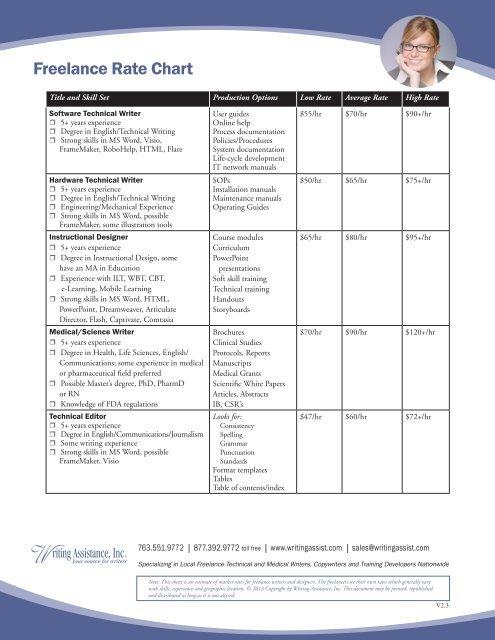
Establishing your freelance rates is a critical step in shaping your business. It’s essential to balance what you think your skills are worth with what clients are willing to pay. Consider these factors when setting your rates:
- Market Research: Understand the going rates in your niche to remain competitive.
- Your Experience: Factor in your years in the industry and the value you provide.
- Project Complexity: Complicated projects warrant higher fees.
- Client Budget: Be flexible but ensure you don’t undervalue your work.
Once your rates are set, communicate them clearly to clients. Transparency fosters trust and helps in managing expectations. A simple pricing table can help clients visualize their investment:
| Service | Rate | Details |
|---|---|---|
| Basic Consultation | $50/hour | 30-minute session to discuss project needs. |
| Standard Package | $300/project | Includes two revisions and a week of support. |
| Premium Service | $600/project | Complete project execution with ongoing support. |
Building a Freelance Portfolio
Creating a standout freelance portfolio is essential in capturing the attention of potential clients and retaining their interest. A portfolio not only showcases your skills but also tells a story about your work and style. To build an impressive collection, consider including the following key elements:
- High-Quality Samples: Present a variety of your best work that highlights different skills and styles.
- Case Studies: Detail the problem, the solution you provided, and the results achieved for previous clients.
- Client Testimonials: Incorporate positive feedback from past clients to build credibility.
- Visual Design: Ensure the layout is aesthetically pleasing and easy to navigate.
In addition to quality content, the organization of your portfolio can significantly influence how clients perceive your work. Use headings, subheadings, and even color schemas to create a cohesive look. A well-organized portfolio can include tables summarizing your skills and experience. Here’s a simple example:
| Skill | Proficiency | Years of Experience |
|---|---|---|
| Graphic Design | Expert | 5 |
| Copywriting | Intermediate | 3 |
| Web Development | Beginner | 1 |
Freelance Contract Templates
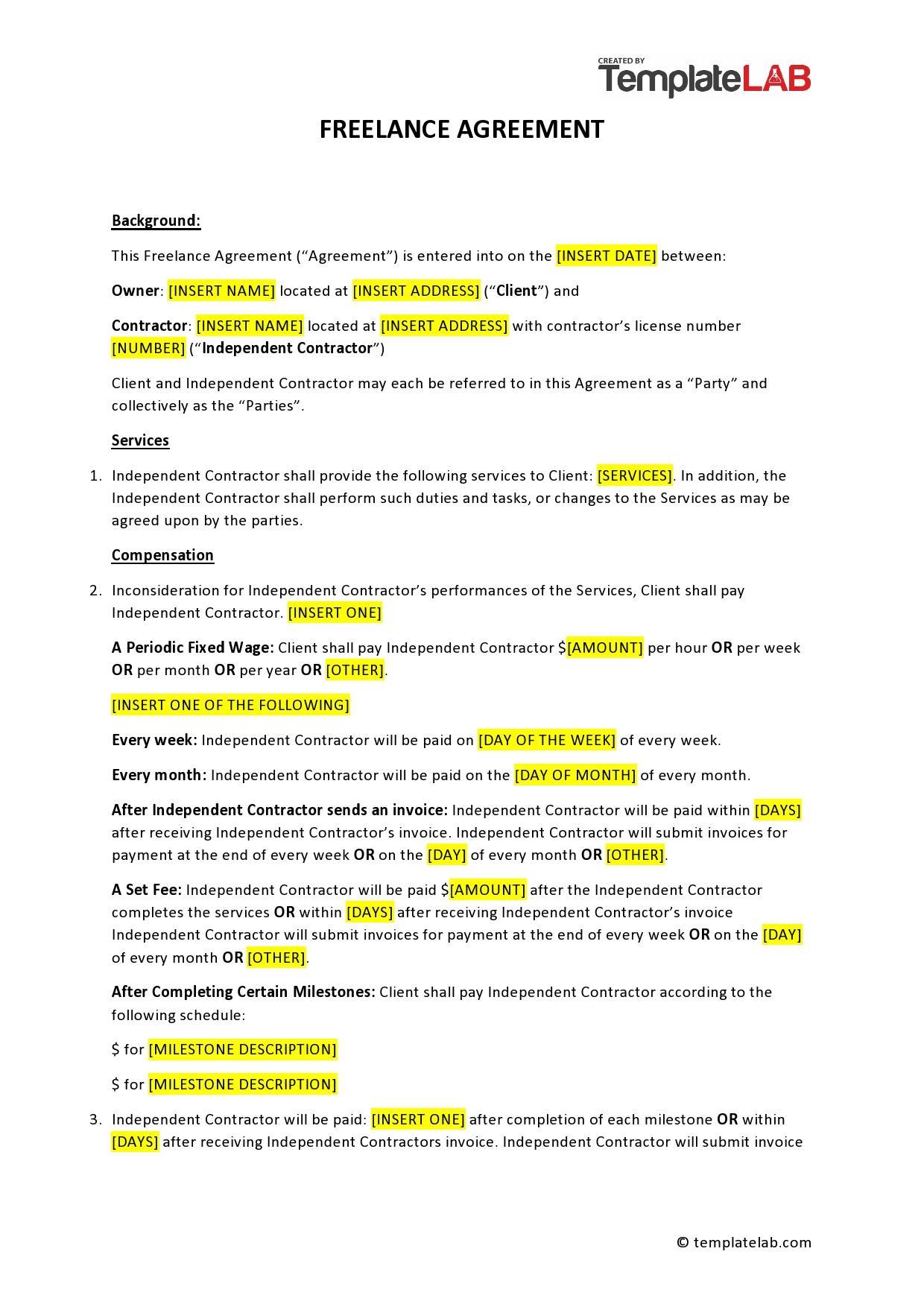
When engaging with clients as a freelancer, having a professionally crafted contract is essential to establish clear expectations and protect both parties. Utilizing can streamline the process of formalizing your agreements. These templates often cover key elements such as project scope, payment terms, and confidentiality clauses, making it easier for you to tailor agreements to fit specific projects. Incorporating these templates into your workflow not only enhances professionalism but also builds trust with your clients, encouraging them to return for future collaborations.
It’s essential to personalize your contract templates to align with your unique style and the nature of the work being performed. Consider including sections that outline revisions, deadlines, and ownership rights to ensure comprehensive understanding. Below is a simple table highlighting essential elements you might include in your contract templates:
| Contract Element | Description |
|---|---|
| Scope of Work | Detailed description of project deliverables. |
| Payment Terms | Invoice frequency, payment methods, and due dates. |
| Revisions | Number of revisions included and process for additional changes. |
| Termination Clause | Conditions under which the contract can be terminated. |

Freelance Time Management
Time management is a critical component of success in the freelance world. With numerous projects and clients vying for your attention, it becomes essential to prioritize tasks effectively. One effective method is to categorize your work based on urgency and importance. To achieve this, consider implementing a daily or weekly planner that includes:
- Client appointments
- Project deadlines
- Review and feedback sessions
- Buffer time for unexpected tasks
Additionally, embracing technology can enhance your time management efforts. Utilize productivity tools and applications that automate reminders and track your progress. It’s also beneficial to set clear boundaries with clients to ensure a balanced workflow. Below is a simple table outlining some effective time management tools and their features:
| Tool | Key Features |
|---|---|
| Trello | Visual task management, collaboration features |
| Asana | Project tracking, deadline setting, and milestone tracking |
| Todoist | Task prioritization, reminders, and recurring tasks |
| Harvest | Time tracking, invoicing, and reporting |

Freelance Networking
Building a robust freelance network is essential for sustaining long-term client relationships. By actively engaging with fellow professionals, you can create a community that not only shares opportunities but also offers invaluable insights. Consider attending industry events, both online and in person, to broaden your connections. The following strategies can help you enhance your networking efforts:
- Join Local Meetups: Participate in local professional gatherings to connect with potential clients and peers.
- Utilize Social Media: Platforms like LinkedIn and Twitter are invaluable for showcasing your expertise and connecting with others in your niche.
- Collaborate on Projects: Teaming up with other freelancers can lead to cross-referrals and shared resources.
Incorporating networking into your freelance routine requires regular effort and commitment. Try to schedule networking activities into your calendar as you would any client meeting. This can help you stay consistent and focused. Monitor your progress and the relationships you build, perhaps using a simple table format, which could look something like this:
| Contact Name | Relationship Status | Last Contact |
|---|---|---|
| John Doe | Prospective Client | 10/05/2023 |
| Jane Smith | Collaborator | 09/30/2023 |
| Emily Brown | Mentor | 09/01/2023 |

Freelancing in Tech
Building a solid foundation for client retention in tech freelancing is integral to sustainable growth. To achieve this, focus on effective communication as it fosters trust and transparency. Regularly update clients on project progress and be proactive in addressing any concerns. Additionally, establishing a clear scope of work at the beginning of each project can prevent misunderstandings and ensure that both parties are on the same page. Consider leveraging technology for enhanced communication, such as project management tools that keep clients informed in real time.
Another vital aspect is to consistently deliver high-quality work that exceeds client expectations. This means not only adhering to deadlines but also being open to feedback and willing to make adjustments. To further solidify these relationships, implement a rewards program for repeat clients or provide added value through complimentary services. A well-thought-out strategy for client engagement can make a significant difference in fostering loyalty. Below is a simple checklist to maintain a strong relationship with your clients:
| Retention Strategy | Description |
|---|---|
| Regular Check-ins | Schedule regular calls or emails to assess project satisfaction. |
| Feedback Loop | Encourage feedback to improve services and demonstrate responsiveness. |
| Personal Touch | Send personalized follow-ups or thank-you notes after projects. |
| Exclusive Offers | Provide special discounts or packages for returning clients. |

Freelance Taxes and Accounting
For freelancers, understanding taxes and accounting is an essential component of maintaining a successful business. Without careful tracking and reporting, what seems like a profitable endeavor can quickly turn chaotic during tax season. It’s important to keep meticulous records of all income and expenses to determine taxable earnings accurately. Utilize tools like spreadsheets or accounting software to streamline this process. Consider these best practices:
- Organize Receipts: Digitize and categorize receipts for easier access and review.
- Set Aside Tax Funds: Allocate a percentage of your income to cover anticipated tax liabilities.
- Track Invoices: Monitor outstanding bills and follow up to ensure timely payments.
Learning to navigate the world of freelance taxation not only helps prevent unexpected financial burdens, but it also allows you to focus your energy on maintaining client relationships. Being proactive in your accounting practices can instill confidence among your clients, showcasing professionalism that enhances retention. Below is a simple tax deduction table to help you identify potential write-offs that can maximize your savings:
| Deductions | Description |
|---|---|
| Home Office | Portion of rent/mortgage and utilities used for your workspace. |
| Equipment | Cost of computers, software, and office supplies required for your business. |
| Travel Expenses | Costs associated with meeting clients or attending networking events. |

Freelance Client Retention
To ensure long-lasting relationships with clients, it’s vital to establish a foundation based on trust and communication. One effective approach is to maintain consistent communication. Regular updates and check-ins not only show clients that you are dedicated but also help you understand their evolving needs. Here are a few strategies to enhance your communication:
- Scheduled Check-ins: Set recurring meetings to discuss progress and gather feedback.
- Personalized Messages: Tailor your communication to each client to make them feel valued.
- Transparency: Be open about challenges and successes to build credibility.
Additionally, prioritizing customer satisfaction is key to retaining clients. By actively seeking feedback and acting on it, you demonstrate that their opinions matter. Implementing a simple, straightforward feedback loop can lead to significant improvements. Consider the following approaches to capturing client feedback:
| Feedback Method | Description |
|---|---|
| Surveys | Short surveys at project milestones to gauge satisfaction. |
| Follow-up Calls | Personal calls after project delivery to discuss the experience. |
| Suggestion Box | A dedicated space for clients to voice suggestions at any time. |

Freelancing Full-Time vs Part-Time
When considering freelancing, individuals often weigh the pros and cons of committing to it full-time versus part-time. Embracing a full-time freelancing career can provide greater flexibility and deeper client relationships, allowing you to invest more time into honing your craft and understanding client needs. With this commitment, freelancers can enhance their visibility and availability, which often leads to increased client retention. Establishing a strong brand presence is crucial, where being always accessible can foster trust and confidence among clients.
On the other hand, part-time freelancing allows for a safety net that many find appealing. It allows individuals to maintain a stable income from a traditional job while pursuing their passion projects. This can be beneficial for developing a portfolio without risking financial instability. Sometimes, part-time freelancers have the advantage of bringing fresh perspectives to client projects, benefiting from their diverse experiences outside of freelancing. In either scenario, the key to retaining clients lies in consistently delivering high-quality work, effective communication, and being proactive about understanding their evolving needs.

Freelance Job Boards
For freelancers looking to expand their client base, tapping into reputable job boards is essential. These platforms act as a bridge between talent and opportunity, making it easier for clients to discover skilled professionals. When crafting your profile, consider including the following elements to attract potential clients:
- Clear Services: Define what you offer with clarity to avoid misunderstandings.
- Compelling Portfolio: Showcase previous work to illustrate your capabilities and style.
- Engaging Bio: Write a bio that resonates with your target audience, highlighting your unique selling points.
- Client Testimonials: Positive feedback can significantly enhance your credibility and attract new clients.
Moreover, leveraging niche-specific job boards can increase your visibility among clients seeking specialized skills. Here’s a quick overview of some popular platforms and their target audience:
| Job Board | Focus Area |
|---|---|
| Upwork | General Freelancing |
| Fiverr | Service Sales |
| 99designs | Design |
| WriterAccess | Content Writing |
Freelance Branding Strategies
Building a strong personal brand is essential for freelancers aiming to create lasting connections with clients. To enhance recognition and establish credibility, consider implementing these effective strategies:
- Create a Professional Website: Showcase your portfolio, services, and testimonials to present a polished image.
- Utilize Social Media: Share valuable content that demonstrates your expertise and engages potential clients.
- Consistent Branding: Use cohesive visuals and messaging across all platforms to strengthen brand identity.
- Networking Opportunities: Attend industry events and online forums to connect with others and increase visibility.
Another crucial element is to nurture client relationships through personalized communication and follow-ups. Here are some techniques to keep your clients coming back:
| Technique | Description |
|---|---|
| Feedback Requests | Regularly ask for client feedback to improve your services. |
| Value-Added Content | Share insights and resources that benefit your clients beyond the project scope. |
| Loyalty Programs | Consider implementing discounts or perks for returning clients to encourage loyalty. |

Freelancing in Graphic Design
As a freelance graphic designer, maintaining lasting client relationships is essential for success and growth. One of the most effective strategies is communication. Keep clients in the loop through regular updates, feedback requests, and proactive outreach. This creates a collaborative atmosphere where clients feel engaged and valued. Additionally, showcasing your expertise through educational materials, such as insightful blog posts or design tips tailored to their industry, not only reinforces your role as a trusted professional but also fosters loyalty. Involving them in your creative process can further enhance their investment in your work.
Another key element to master is quality assurance. Ensure that every project meets or exceeds client expectations by establishing clear guidelines from the outset. Use tools that allow for seamless feedback, such as online proofing platforms, to streamline processes and enhance client satisfaction. Furthermore, offering a dedicated support system post-project completion, where clients can reach out for revisions or questions, can set you apart from competitors. Building trust through consistent delivery of high-quality work combined with exceptional client service can significantly improve your chances of retaining clients long-term.

Freelance Personal Development
To excel in maintaining long-term relationships with clients, freelancers need to cultivate a set of effective strategies that not only meet client expectations but also exceed them. Communication is paramount; maintaining open and regular updates can bridge the gap between client expectations and project deliverables. This encompasses understanding client needs, gathering feedback, and adapting to requirements swiftly. Additionally, offering value beyond the initial contract can help in keeping the client’s interest piqued. Consider these engaging tactics:
- Personalized Follow-ups: After project completion, check in to see how things are going.
- Exclusive Offers: Provide special packages or discounts for returning clients.
- Engagement Through Content: Share relevant articles or resources that may aid their business.
Creating a framework for client retention involves understanding the nuances of human relations. A client feedback loop is essential; it not only helps in continuous improvement but also shows that you value their opinion. By sharing a simple yet effective feedback process, freelancers can systematically gather insights. Below is an example of a feedback mechanism:
| Feedback Type | Method | Frequency |
|---|---|---|
| Project Satisfaction | Survey | Upon Completion |
| Service Improvement | Interview | Quarterly |
| Future Needs | Chat | Bi-Annually |

Freelance Income Diversification
In the dynamic world of freelancing, relying solely on a single source of income can be a precarious venture. To bolster your financial security, consider branching out your income streams. involves pursuing various projects and clients that align with your skills while allowing for flexibility in your work. Here are some effective avenues to explore:
- Freelance platforms: Utilize websites like Upwork or Fiverr to reach a broader audience.
- Passive income opportunities: Create digital products, online courses, or write ebooks that can generate revenue over time.
- Collaborative projects: Partnering with other freelancers can lead to more comprehensive services, attracting larger clients.
- Consulting services: Leverage your expertise by offering consultation sessions to businesses seeking specialized knowledge.
Diversifying your income not only enhances financial stability but also fuels creativity and growth. By mixing short-term gigs with long-term projects, you can build a portfolio that showcases a wide range of skills. To effectively manage your various income streams, consider the following strategies:
| Strategy | Benefits |
|---|---|
| Set clear goals | Helps maintain focus and track progress across different income sources. |
| Maintain a schedule | Ensures time is allocated efficiently between projects and clients. |
| Track finances | Allows you to understand which sources are most profitable and worth pursuing. |
| Network actively | Increases opportunities for collaborations and new clients. |

Freelance Career Growth
To elevate your freelance career, focusing on client retention is paramount. Consistently delivering exceptional work is just the starting point; building strong relationships fosters loyalty. Consider incorporating these strategies into your workflow:
- Regular Check-ins: Schedule periodic updates to discuss project progress and gather client feedback.
- Personalization: Tailor your communication style and project approaches to meet individual client needs.
- Value-Added Services: Offer additional services or resources that can benefit your clients and enhance their experience.
Understanding client needs and adapting your services accordingly is crucial. Analyze past projects and client interactions to identify key areas for improvement. Use the following table to track important client metrics effectively:
| Client Name | Project Type | Last Contact Date | Next Steps |
|---|---|---|---|
| Client A | Web Design | 2023-09-15 | Follow-Up |
| Client B | Content Writing | 2023-09-20 | Send New Proposal |
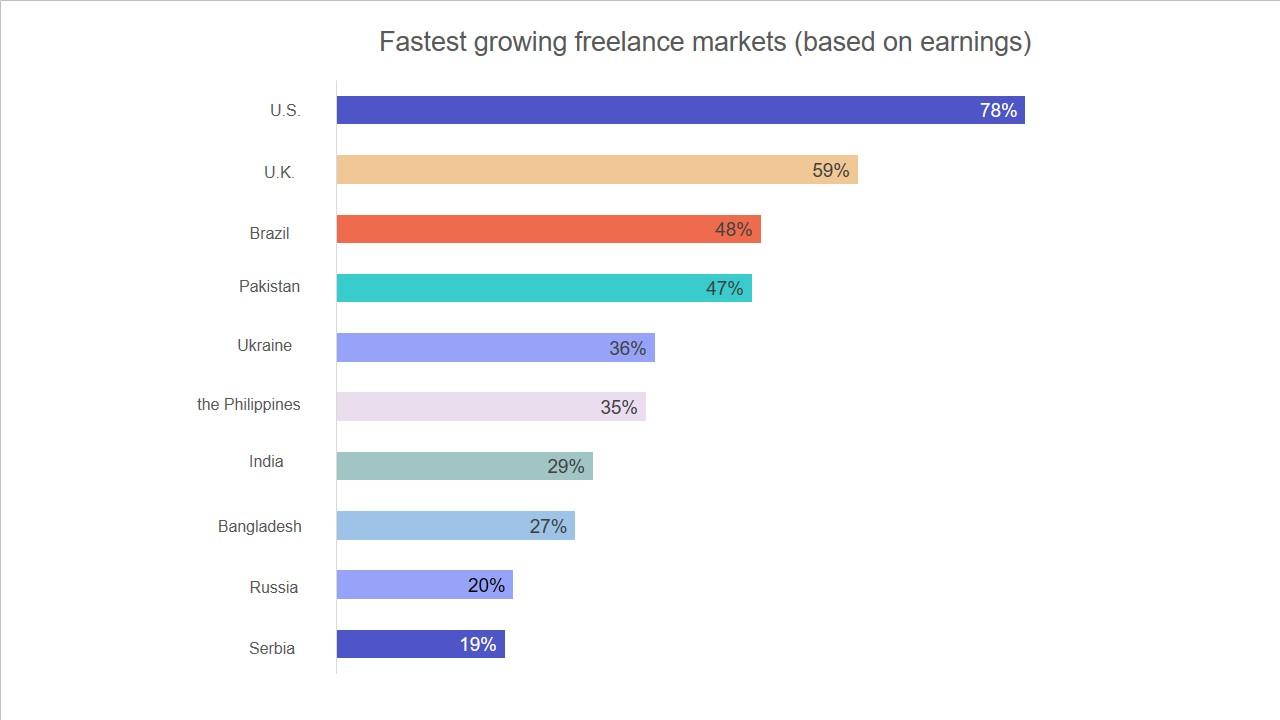
Freelance Market Trends 2024
As we dive into the freelance landscape of 2024, it’s clear that client retention will play a pivotal role in shaping successful freelancer careers. Clients have become increasingly selective, valuing reliable partners who not only meet deadlines but also foster meaningful relationships. To navigate this competitive environment, freelancers will need to embrace innovative strategies, focusing on personalized communication and proactive engagement. Building a strong rapport can be achieved through consistent check-ins, tailored updates, and genuinely seeking client feedback. Here are some effective retention strategies:
- Personalized Outreach: Customize your communications based on past projects and client preferences.
- Value-Added Services: Offer complimentary consultations or small additional services that enhance the client’s experience.
- Loyalty Incentives: Create special offers for returning clients to encourage repeat business.
Moreover, leveraging technology will be a game-changer for freelancers aiming to optimize their client retention efforts. Utilization of customer relationship management (CRM) tools can streamline interactions and help freelancers keep track of client preferences and project histories, making every engagement more relevant. By adopting a data-driven approach, freelancers will be able to identify trends and adjust their strategies accordingly. Here’s a brief overview of popular CRM tools beneficial for freelancers:
| CRM Tool | Key Feature |
|---|---|
| HubSpot | User-friendly interface with marketing tools |
| Zoho CRM | Highly customizable dashboards and reports |
| Freshsales | AI-based insights to drive engagement |
| Pipedrive | Visual pipeline management for tracking progress |
To Conclude
As we wrap up our exploration of effective freelance client retention strategies, it’s clear that the art of keeping clients extends far beyond simply delivering quality work. It’s about fostering relationships built on trust, open communication, and mutual respect. By adopting strategies that prioritize understanding your clients’ needs and being proactive in addressing them, you not only enhance their experience but also create a foundation for long-term collaboration.
Remember, in the freelance world, clients are not just projects; they are partners who can advocate for your work and contribute to your growth. Thus, every interaction matters. Embrace feedback, innovate your services, and show appreciation for your clients’ trust in you.
By mastering the nuances of client retention, you position yourself not just as a service provider but as a valuable asset in their journey. So, as you set out to implement these strategies, keep in mind that the relationship you cultivate may very well be your greatest asset in the freelance landscape. Here’s to maintaining those meaningful connections that not only elevate your craft but also enrich your journey as a freelancer. Happy freelancing!