

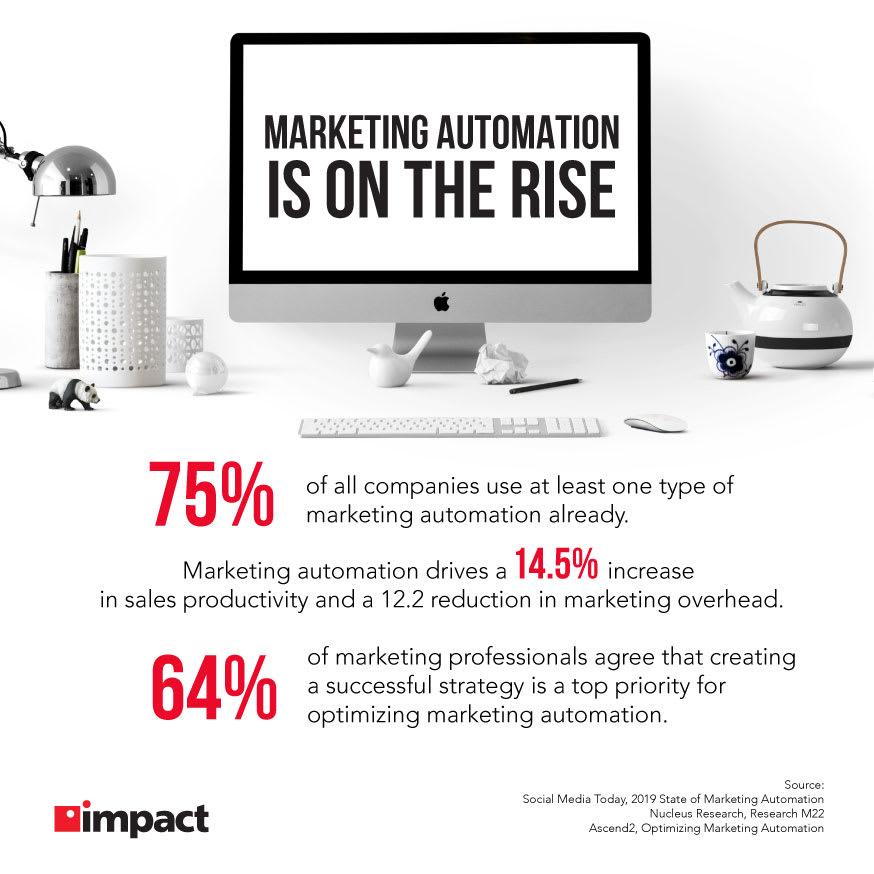

In the ever-evolving landscape of digital marketing, where attention spans are fleeting and competition is fierce, brands are continually searching for innovative ways to capture and maintain customer interest. Enter automation—the game-changing ally that promises not just to streamline efforts but to elevate engagement to new heights. Imagine a world where personalized experiences are delivered seamlessly, where data is harnessed at lightning speed to anticipate consumer needs, and where marketing teams can focus on strategy rather than the minutiae of execution. As we delve into the vital role of automation in digital marketing, we’ll explore how this powerful technology redefines customer interactions, enhances personalization, and ultimately fosters a deeper, more meaningful connection between brands and their audiences. Join us on this journey to uncover the transformative potential that lies within automation, and discover how it can propel your marketing initiatives from mere participation to true engagement.
Harnessing Automation for Personalization in Customer Interactions
Automation is revolutionizing how brands connect with customers, transforming generic outreach into tailored interactions that resonate on a personal level. Leveraging advanced algorithms and machine learning, companies can analyze vast datasets to understand individual preferences and behaviors. This process ensures that each customer receives customized messages and offers that align with their unique interests, leading to higher engagement rates. For instance, when an e-commerce site recommends products based on previous purchases, it creates a shopping experience that feels personal and curated, fostering loyalty and encouraging repeat visits.
Furthermore, automation facilitates real-time communication, allowing businesses to respond promptly to customer inquiries and feedback. Through chatbots and automated emails, brands can maintain a 24/7 presence, enabling them to cater to customer needs at any hour. This responsive approach not only enhances customer satisfaction but also strengthens brand relationships. Key elements that contribute to effective automated personalization include:
- Data Segmentation: Grouping customers based on behaviors and preferences.
- Dynamic Content: Customizing website and email content for different audience segments.
- Trigger-Based Campaigns: Sending targeted messages based on specific customer actions.

Streamlining Campaign Management to Maximize Productivity
In today’s fast-paced digital landscape, marketers are increasingly turning to automation tools to enhance their campaign management processes. By integrating automated systems, teams can flush out time-consuming tasks such as audience segmentation, reporting, and performance tracking. This not only reduces the complexity of managing various channels but also enables organizations to focus on crafting strategic and engaging content that resonates with their audience. Here are some key benefits of automating campaign management:
- Enhanced Efficiency: Automate repetitive tasks to free up time for creative strategy development.
- Increased Accuracy: Minimize human error in data entry and analysis.
- Real-Time Insights: Gain immediate access to performance metrics for quick adjustments.
Moreover, structured automation allows marketers to create a more cohesive brand narrative across multiple channels. By implementing robust marketing automation platforms, businesses can orchestrate campaigns that deliver personalized messages tailored to the specific needs of their audience segments. This not only elevates engagement but also increases conversion rates. The following table illustrates essential components of a successful automated campaign:
| Component | Description |
|---|---|
| Lead Scoring | Prioritizing leads based on engagement levels. |
| Personalization | Customizing content to resonate with distinct audience segments. |
| A/B Testing | Testing variations of campaigns to optimize results. |

Analyzing Data-driven Insights for Enhanced Decision Making
Utilizing data-driven insights is pivotal in refining marketing strategies, allowing businesses to tailor their campaigns more effectively. By harnessing real-time analytics, organizations can decode consumer preferences and behaviors, leading to informed decision-making. Key advantages include:
- Improved Targeting: Focuses marketing efforts on specific demographics.
- Resource Optimization: Allocates budget more effectively, maximizing returns.
- Enhanced User Experience: Personalizes interactions, fostering customer loyalty.
Automation tools transform how data is analyzed and utilized, streamlining processes that were once labor-intensive. By incorporating automated reporting systems, businesses can decipher trends and derive actionable insights with speed and accuracy. Among the benefits of this approach are:
| Benefit | Description |
|---|---|
| Time Efficiency | Reduces manual data handling, speeding up analysis. |
| Data Accuracy | Minimizes human error, ensuring reliable analytics. |
| Strategic Planning | Facilitates long-term planning based on comprehensive data. |
Integrating Multi-channel Strategies for Cohesive Engagement
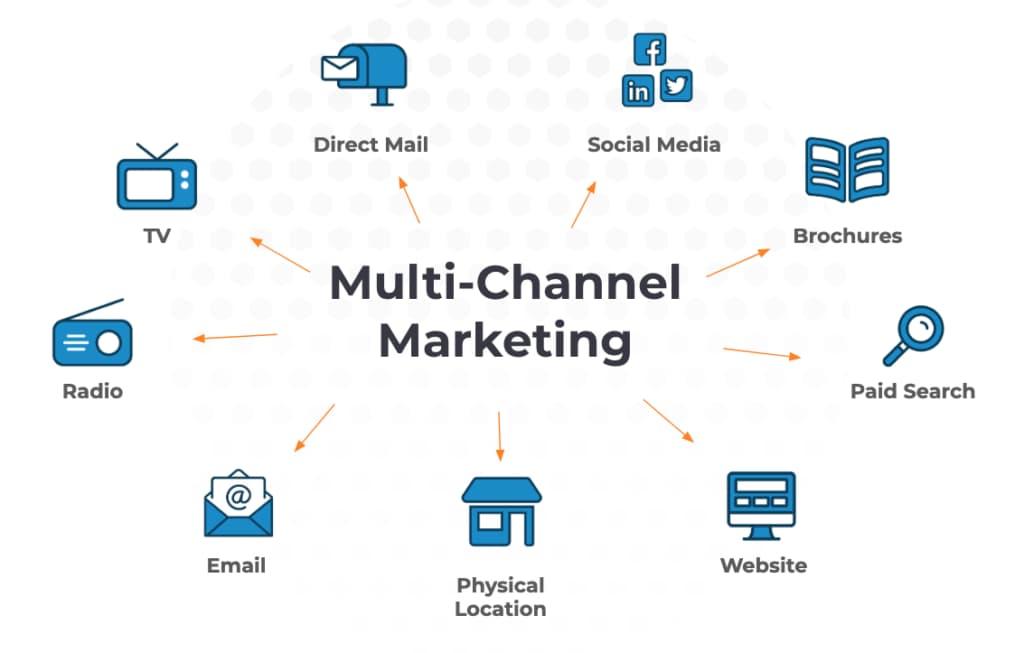
In today’s fast-paced digital landscape, businesses must harmonize their messaging across various platforms to create a seamless customer experience. Integrating multi-channel strategies allows brands to engage users where they are, enhancing visibility and interaction. Key components to consider for successful integration include:
- Consistent Branding: Ensure that your brand’s voice and visual identity remain uniform across all channels.
- Data Synchronization: Utilize automation tools to maintain up-to-date customer information and interactions.
- Personalization: Leverage insights from user behavior to tailor messages and content across different platforms.
To successfully execute these strategies, an agile approach is essential. Businesses should employ a combination of marketing channels such as social media, email, and web platforms to reach a broader audience while fostering deeper engagement. The following table outlines effective automation tools for various platforms:
| Platform | Recommended Tools |
|---|---|
| Social Media | Hootsuite, Buffer |
| Email Marketing | Mailchimp, ActiveCampaign |
| Website Engagement | HubSpot, Zapier |
By utilizing these tools and strategies, brands can better connect with their audience at every touchpoint, transforming individual interactions into a cohesive engagement experience.
To Wrap It Up
As we navigate the ever-evolving landscape of digital marketing, it is clear that automation serves as a powerful ally in our quest for greater engagement. By streamlining processes and personalizing interactions, automation not only enhances efficiency but also fosters deeper connections between brands and consumers. While the technology continues to advance, it’s vital for marketers to remain attuned to the human aspect of their strategies. The delicate balance of automation and authenticity will ultimately determine the success of our efforts. As we look ahead, let us embrace automation not just as a tool, but as a catalyst for creativity and engagement, paving the way for innovative approaches that resonate in the hearts and minds of our audience. The future of digital marketing is not just automated; it is authentically human.