


In a world flooded with choices and demands, where every click unveils an array of options, the pursuit of customer loyalty has emerged as an art form in itself. “Crafting Lasting Connections” is not merely about transactions; it is about weaving a tapestry of relationships that resonate with authenticity and trust. Businesses today are not just aiming to sell a product or service; they are striving to build communities, offer experiences, and nurture bonds that extend far beyond the checkout line. In this article, we will explore the intricate techniques and innovative strategies businesses can employ to forge connections that not only draw customers in but keep them returning, time and again. Join us as we delve into the essence of customer loyalty and the enduring impact it can have in an ever-evolving marketplace.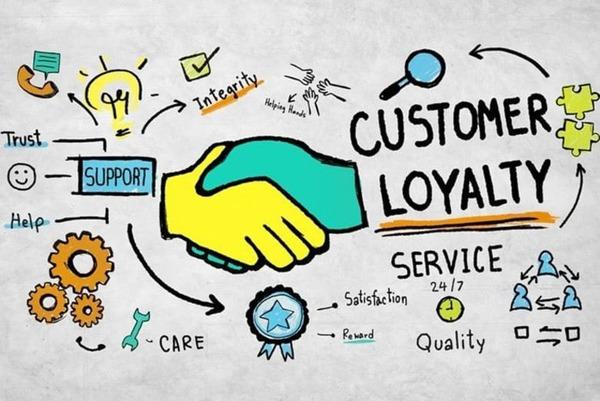
Understanding the Emotional Drivers Behind Customer Loyalty
Customer loyalty is often a tapestry woven from emotional threads that bind the consumer to a brand. More than just a transactional relationship, these connections are nurtured by experiences that evoke feelings such as trust, relief, and joy. When customers feel valued and heard, they release positive emotions that reinforce their loyalty. Brands can touch upon these emotional drivers by focusing on aspects like:
- Personalized Experiences: Tailoring interactions to reflect individual preferences.
- Consistent Quality: Delivering the same high standard repeatedly cultivates reliability.
- Community Engagement: Creating spaces where customers feel they belong.
Furthermore, emotional loyalty is influenced by how well a brand aligns with customers’ values and lifestyles. If consumers see a reflection of their own beliefs in a company, they are more likely to forge a deeper connection. Brands can leverage this alignment through practices like:
| Valued Principles | Brand Actions |
|---|---|
| Environmental Sustainability | Using eco-friendly materials and practices. |
| Social Responsibility | Engaging in community support and charitable efforts. |
| Transparency | Open communication regarding business practices and sourcing. |

Building Trust Through Authentic Engagement Strategies
In today’s fast-paced digital world, establishing genuine connections is crucial for brands looking to foster customer loyalty. Engaging authentically means listening to your customers and responding with empathy, creating a two-way dialogue. Consider implementing strategies such as:
- Personalized Communication: Tailor your messages to meet the specific needs of your audience.
- Interactive Content: Use polls, quizzes, and surveys to involve customers in the conversation.
- Building Community: Create online forums or social media groups where customers can share experiences and feedback.
Moreover, transparent engagement builds credibility and trust. Customers appreciate when a brand owns up to its mistakes and communicates openly about improvements. A structured approach to feedback can significantly enhance loyalty. Consider using a simple table to illustrate your feedback process:
| Step | Description |
|---|---|
| Gather Feedback | Collect customer insights through various channels. |
| Analyze Data | Identify trends and areas for improvement. |
| Implement Changes | Make necessary adjustments based on feedback. |
| Communicate Updates | Inform customers of changes made in response to their feedback. |
This cycle of engaging, listening, and improving not only enhances customer loyalty but also creates a community that feels valued and connected to your brand.
Personalizing Experiences to Foster Deep Connections
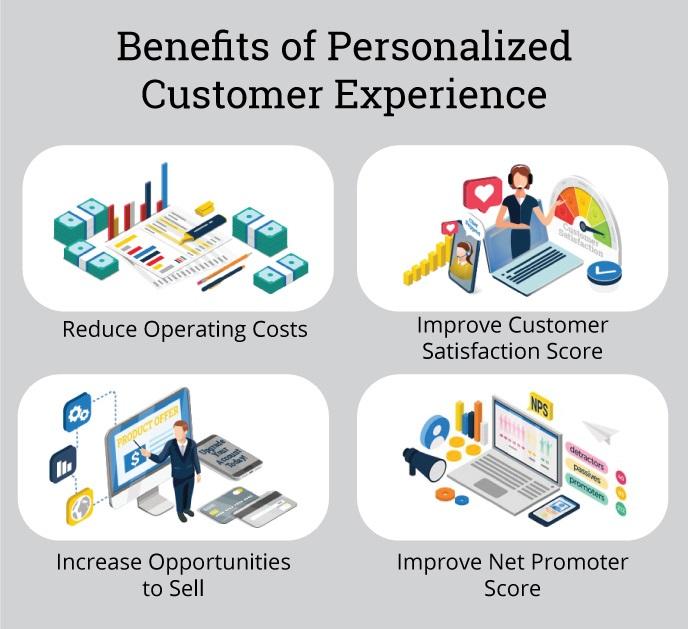
Creating a bond that transcends transactional interactions involves understanding individual preferences and behaviors. This can be achieved through targeted strategies that cater to the unique needs of each customer. By offering personalized recommendations based on previous purchases or browsing history, businesses can provide a tailored experience that resonates with their audience. Consider implementing a system that collects and analyzes data to identify patterns in customer behavior, allowing for more meaningful interactions. Here are some key ways to personalize experiences:
- Customized Communication: Use customer names and preferences in emails and messages.
- Targeted Offers: Send personalized discounts or promotions based on past purchases.
- Personal Shopping Assistants: Deploy chatbots or virtual assistants that learn and adapt to customer choices.
The impact of such personalized strategies can be measured through various metrics, including customer satisfaction and loyalty. Businesses can track engagement levels and repeat purchases, which often increase when customers feel understood and valued. Visualizing this data helps identify effective tactics while ensuring continued alignment with customer expectations. Here’s a simple table depicting some effective personalization tactics and their expected outcomes:
| Personalization Tactic | Expected Outcome |
|---|---|
| Personalized Email Marketing | Higher open and click-through rates |
| Product Recommendations | Increased average order values |
| Customer Feedback Surveys | Improved customer satisfaction |
Measuring Loyalty Success: Metrics That Matter for Growth
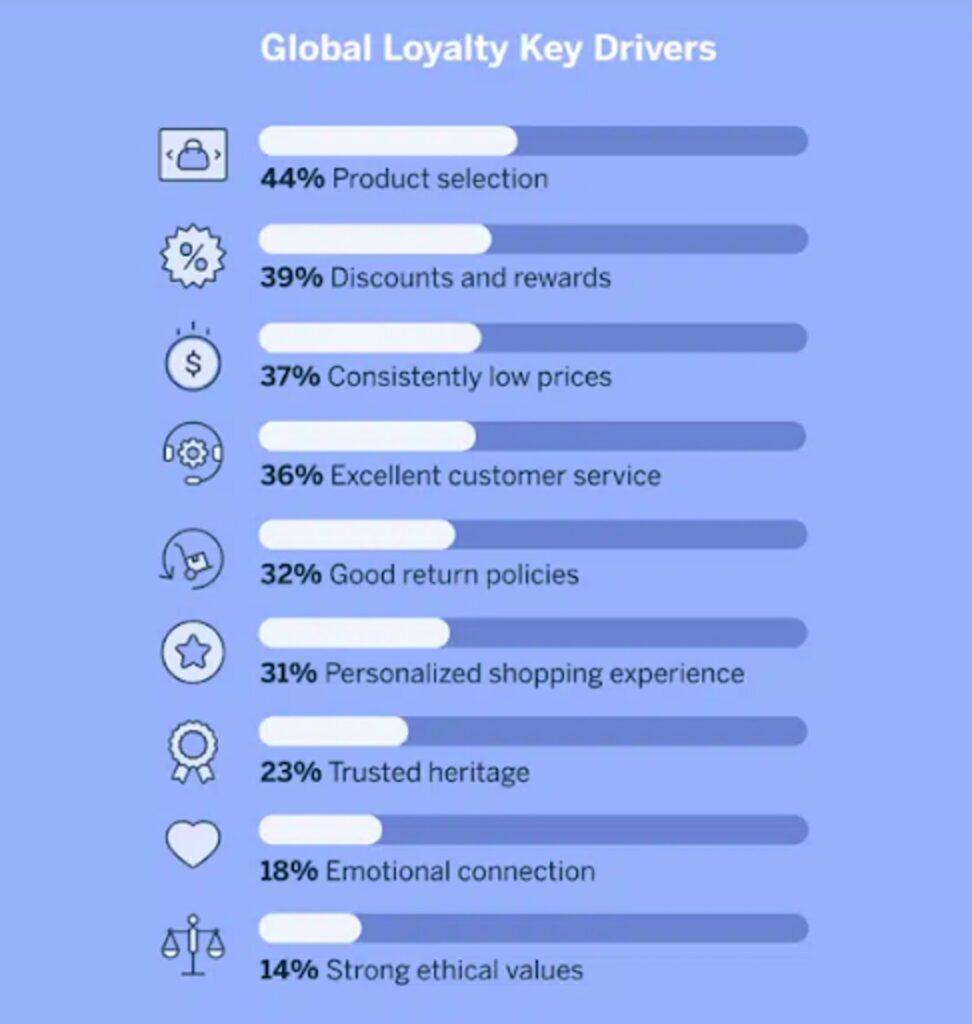
Understanding the metrics that signify customer loyalty is essential for any business seeking sustainable growth. Without a solid framework to gauge loyalty efficacy, companies are left navigating in the dark. Start by focusing on Customer Retention Rate (CRR), which measures the percentage of customers a business retains over a period. High retention rates indicate satisfied customers who are likely to return. Net Promoter Score (NPS) is another vital metric, assessing the likelihood of customers recommending your brand to others. This survey tool not only reveals customer sentiments but can also pinpoint improvement areas for your offerings.
Additionally, consider tracking the Customer Lifetime Value (CLV) to estimate the total revenue a customer will generate during their relationship with your business. A high CLV can justify investment in loyalty programs and personalized marketing strategies. Another key metric is the Repeat Purchase Rate (RPR); it shows how frequently customers return to make additional purchases. You may even wish to implement a simple dashboard or table to visualize these metrics:
| Metric | Definition | Significance |
|---|---|---|
| Customer Retention Rate (CRR) | Percentage of customers retained over time | Highlights customer satisfaction |
| Net Promoter Score (NPS) | Measures customer loyalty through recommendations | Indicates overall brand perception |
| Customer Lifetime Value (CLV) | Estimated revenue a customer generates | Guides investment in retention strategies |
| Repeat Purchase Rate (RPR) | Frequency of return purchases | Shows commitment to brand |
In Conclusion
As we conclude our exploration of “Crafting Lasting Connections: The Art of Customer Loyalty,” it becomes clear that loyalty is not simply a transaction but a relationship that evolves over time. In a world brimming with choices, it is the meaningful connections we cultivate that set brands apart. By prioritizing genuine engagement, understanding customer needs, and fostering a sense of belonging, businesses can transform fleeting encounters into enduring partnerships.
Remember, loyalty is a two-way street—when you invest in your customers’ experiences, they are inspired to invest in your brand’s journey in return. As you embark on the path of deepening these connections, consider each interaction as an opportunity to nurture trust, appreciation, and mutual growth.
the art of customer loyalty is not just about retention metrics; it’s about the stories you create together. Embrace the beauty of this craft, and watch as your customer relationships flourish, turning mere consumers into passionate advocates. Happy crafting!