

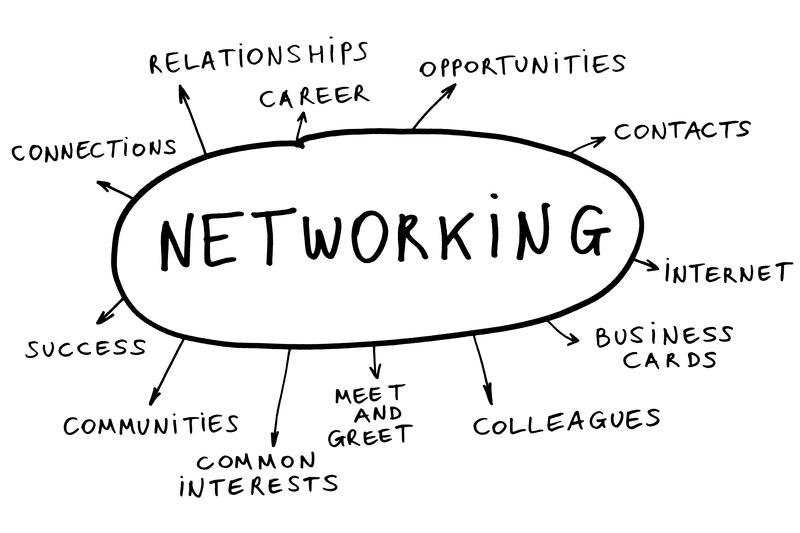

In an ever-evolving professional landscape, where the boundaries of traditional employment blur and the gig economy thrives, the ability to forge connections has never been more crucial. Enter the art of freelance networking—a skill that transcends mere business cards and LinkedIn connections. Whether you’re a seasoned freelancer navigating complex client relationships or a newcomer seeking your footing, building bridges in your industry can unlock doors to collaboration, creativity, and opportunity. This article explores the nuanced strategies and heartfelt practices that make networking not just a transactional endeavor but a pathway to meaningful partnerships and shared success. Join us as we delve into the techniques, tools, and mindset shifts that can transform your networking efforts into powerful alliances, ensuring you’re never alone on your freelance journey.
Freelance Writing
In the realm of , networking is akin to nurturing a garden: it requires patience, consistency, and a delicate touch. To cultivate a thriving network, writers can engage in various strategies that facilitate genuine connections and foster collaboration. Consider the following approaches:
- Join Online Communities: Platforms like Twitter, LinkedIn, and specialized writing forums can help you connect with peers and potential clients.
- Attend Workshops and Conferences: These events offer invaluable opportunities to meet industry professionals and exchange ideas.
- Follow Up: After initial meetings, a simple follow-up message can solidify a newly formed relationship, demonstrating your interest and professionalism.
Moreover, building relationships with fellow writers can lead to fruitful collaborations and referrals. Offering support and sharing opportunities can create a reciprocal environment that benefits all involved. Consider organizing or participating in writing groups where you can share feedback, brainstorm ideas, and provide insights into the freelance market. The strength of your network often reflects in your work; a well-connected writer frequently finds doors opening to unexpected opportunities.
| Networking Strategy | Benefits |
|---|---|
| Online Networking | Access to a global audience, potential client leads. |
| Workshops/Conferences | Knowledge exchange, industry insights, and personal connections. |
| Peer Support Groups | Collaborative feedback, idea sharing, growing trust. |
Freelancing Platforms
In the realm of freelancing, selecting the right platform is akin to choosing a canvas for a masterpiece. Each platform possesses unique characteristics that cater to different niches and skill sets. For instance, some platforms focus on graphic design and creative gigs, while others specialize in tech and programming jobs. A few popular options include:
- Upwork: A versatile platform connecting freelancers with a wide array of clients.
- Fiverr: Known for its “gig” economy approach, allowing freelancers to offer services starting at $5.
- Freelancer: Features a bidding system where freelancers can compete for projects.
Building a strong profile on these platforms is crucial. It acts as the first impression you leave on potential clients. Be sure to incorporate a professional photo, a well-articulated bio, and a portfolio showcasing your best work. Consider these tips to enhance your presence:
- Optimize your bio: Use keywords that potential clients may search for.
- Showcase your portfolio: Highlight successful projects that exhibit your skills.
- Gather testimonials: Positive reviews build trust and credibility within the community.

Freelance Graphic Design
Freelancing in graphic design requires not only artistic skill but also the ability to network effectively. Establishing meaningful connections can open doors to new projects and collaborations. Start by identifying industry-related platforms and communities where you can showcase your work and interact with potential clients and fellow creatives. Consider engaging in the following:
- Online Forums: Participate in discussions on design-centric websites like Behance or Dribbble.
- Social Media: Utilize platforms like Instagram and LinkedIn to share your portfolio and connect with industry professionals.
- Local Meetups: Attend workshops and conferences to meet fellow designers and engage with potential clients face-to-face.
Making the right connections involves more than just sharing your portfolio; it requires a strategic approach to relationship building. One way to maintain your network is through follow-up communication and appreciation. Keep track of your contacts with a simple table of interactions:
| Contact Name | Type of Interaction | Date of Last Communication |
|---|---|---|
| Jane Doe | Follow-up Email | October 1, 2023 |
| John Smith | Networking Event | September 15, 2023 |
| Emily Zhao | Social Media Chat | September 25, 2023 |
By nurturing these connections and staying active in industry discussions, you not only enhance your visibility but also cultivate a supportive network that can lead to fruitful partnerships and long-term clients. Remember, successful networking in is about quality as much as it is about quantity.

Freelance Web Development
In the world of , networking is not just a strategy; it’s an art form. Connections can lead to incredible opportunities, but cultivating these relationships requires intention and authenticity. When attending industry events or engaging in online communities, focus on active listening and meaningful conversations rather than merely promoting your skills. Here are some effective ways to build your freelance network:
- Participate in local tech meetups and workshops.
- Engage in online forums and social media groups related to web development.
- Collaborate with fellow freelancers on projects.
- Offer to help others and provide value before seeking help yourself.
Moreover, maintaining relationships is as crucial as making initial connections. Follow up with people you meet, share valuable resources, and celebrate their achievements. Leveraging platforms like LinkedIn can be beneficial, allowing you to establish a professional online presence. Here’s a simple table outlining key points for effective networking:
| Networking Strategy | Description |
|---|---|
| Consistency | Regularly engage with your network through updates or messages. |
| Value Addition | Share resources or insights that can benefit your connections. |
| Personal Touch | Tailor your communications to be more personal and genuine. |

Freelance Marketing Consultant
In the realm of freelancing, cultivating connections isn’t just beneficial; it’s essential for long-term success. As a marketing consultant, being strategic about your networking efforts can significantly expand your reach and enhance your professional development. Here are a few key approaches to elevate your networking game:
- Attend Industry Events: Engage in workshops, conferences, and Meetups where you can meet potential clients and peers.
- Leverage Social Media: Utilize platforms like LinkedIn and Twitter to connect with industry leaders and share your insights.
- Participate in Online Communities: Join forums and groups relevant to marketing where you can offer advice and showcase your expertise.
Building rapport with other professionals opens doors to numerous opportunities. Consider using collaborative projects as a way to deepen these relationships. Working alongside others not only showcases your skills but also fosters a sense of trust and dependence. Here’s a quick comparison of collaboration versus solitary work:
| Collaboration | Solitary Work |
|---|---|
| Broader Skill Sets: Gain insights from diverse expertise. | Full Control: Autonomy over all decisions and processes. |
| Network Expansion: Access to each other’s contacts. | Uninterrupted Focus: Fewer distractions and clear vision. |
| Shared Resources: Pooling of tools and expertise. | Personal Growth: Self-reliance and independent problem-solving. |
Freelancing for Beginners
As you embark on your freelance journey, networking becomes a pivotal skill that can open doors to new opportunities. Establishing connections within your industry not only helps you gain valuable insights but also boosts your credibility. Dive into communities on platforms like LinkedIn, Facebook, or even niche-specific forums to meet other freelancers and potential clients. Remember, cultivating relationships takes time, but by actively engaging in conversations, attending webinars, and participating in online events, you can build a network that supports your growth. Consider these strategies to enhance your outreach:
- Show Genuine Interest: Ask questions and provide thoughtful feedback in discussions.
- Attend Networking Events: Participate in both virtual and local gatherings.
- Follow Up: Keep in touch with new contacts and offer assistance when possible.
Refining your personal brand is equally essential, as it increases your visibility and makes a lasting impression. Think of your online presence as a portfolio that showcases your talents and skills. A well-crafted website and active social media profiles can serve as powerful tools to attract clients. To help you streamline your networking efforts, consider organizing your contacts using a simple tracking table:
| Name | Contact Method | Date of Last Contact | Notes |
|---|---|---|---|
| Jane Doe | 09/15/2023 | Discussed potential collaboration | |
| John Smith | 09/10/2023 | Met at a local event |

Freelance Project Management
In the world of freelancing, managing projects efficiently is akin to balancing a tightrope. Each connection made through networking is a potential support beam, while each project serves as a unique platform of opportunity. Freelancers must develop a keen sense for identifying not only their own strengths but also the strengths of those within their network. By forming partnerships and alliances, collaboration can lead to innovative solutions that elevate the standard of work produced. Relationships built on mutual respect and trust are essential; they can provide valuable insights and feedback, enhancing project outcomes and ensuring client satisfaction.
Moreover, maintaining clear communication is key in . Utilizing tools like calendars, project management software, and shared document platforms can streamline tasks and keep everyone on the same page. Here are some effective strategies to enhance :
- Establish Clear Goals: Clearly define project objectives and deadlines.
- Regular Check-ins: Schedule recurring updates to ensure alignment.
- Feedback Loops: Create channels for constructive critique and suggestions.
- Celebrate Milestones: Recognize achievements to foster motivation.
| Strategy | Benefit |
|---|---|
| Time Blocking | Enhances focus and productivity. |
| Resource Sharing | Maximizes efficiency and reduces costs. |
| Networking Events | Builds relationships and opportunities for collaboration. |
Remote Freelance Jobs
In today’s digital landscape, engage a vast array of talents, enabling professionals to work from anywhere in the world. Freelancing offers unique opportunities to harness one’s skills while maintaining flexibility and autonomy over one’s career. Here are a few popular roles that freelancers are pursuing:
- Graphic Designer – Crafting visuals for brands and online spaces.
- Content Writer – Creating compelling articles, blogs, and web content.
- Web Developer – Building and maintaining websites tailored to client needs.
- Social Media Manager – Strategizing and executing online brand presence.
- Virtual Assistant – Providing administrative support remotely across various industries.
Networking is crucial for success in freelance careers. Establishing connections not only enhances visibility but also opens doors to new projects. Effective ways to build your network include:
| Networking Strategy | Description |
|---|---|
| Online Communities | Engage in forums and social media groups related to your expertise. |
| Networking Events | Attend webinars and workshops, both virtual and in-person. |
| Personal Branding | Create a strong online portfolio to showcase your work. |
| Collaborative Projects | Partner with other freelancers to expand your reach and skills. |
Freelance Photography
thrives on the principle of connection. Building relationships with fellow photographers, clients, and industry professionals can lead to collaborative projects and referrals that elevate your career. Consider engaging in local photography groups or online forums where you can share your expertise and gain insights from peers. Participating in workshops and art events not only sharpens your skills but also expands your network. This interplay of sharing and learning creates a vibrant community and opens doors for potential opportunities.
Moreover, leveraging social media platforms is crucial in today’s digital age. Use these platforms to showcase your work and engage with your audience. Share behind-the-scenes glimpses and personal stories to create a more authentic connection. Cultivate a presence that resonates with your style and vision, making it easier for clients to find you. Remember to reach out to local businesses, venues, and influencers to explore partnership options that benefit both parties. Here are a few strategies to consider:
- Attend local art fairs to meet potential clients and collaborators.
- Utilize online communities like Instagram and Facebook groups to share and receive feedback.
- Collaborate with other creatives to produce compelling joint projects.
- Offer services at community events to gain exposure and network.

Freelance Video Editing
In the evolving landscape of , forging connections with other professionals is as crucial as mastering your craft. Networking allows you to expand your reach, find collaborations, and access opportunities that might otherwise remain hidden. By participating in industry forums, attending workshops, and engaging on social media platforms like LinkedIn or Instagram, you can build a supportive network of creators. Here are some effective strategies for enhancing your connections:
- Join Online Communities: Engage with groups focused on video editing, where you can share insights and gain feedback.
- Attend Events: Focus on industry-related events or webinars to meet potential collaborators and clients.
- Leverage Social Media: Showcase your work on platforms like YouTube or Vimeo to attract attention.
Moreover, consider collaborating on projects with fellow freelancers, which can lead to growth for both parties involved. When working together, not only do you enhance your skill set, but you also gain access to each other’s networks. This leads to a ripple effect, where every new connection opens up additional partnerships. Below is a simple overview of potential collaboration opportunities:
| Type of Collaboration | Benefits |
|---|---|
| Co-create Content | Mix expertise, reach new audiences |
| Peer Reviews | Gain constructive criticism |
| Referral Programs | Expand client base through mutual referrals |

Freelance Social Media Manager
In the world of freelancing, establishing a solid network is not just advantageous; it’s essential. As a , the ability to create meaningful connections can transform your career. Consider the following strategies to enhance your networking skills:
- Attend industry events: Whether virtual or in-person, networking events, workshops, and conferences are great platforms to meet potential clients and fellow professionals.
- Join online communities: Groups on platforms like LinkedIn and Facebook can provide insights and opportunities while also enabling you to share your expertise.
- Utilize social media: Engage with posts, share valuable content, and showcase your portfolio to attract attention and build relationships organically.
As relationships flourish, consider how you can foster deeper connections through collaboration. Here are some potential collaborative opportunities:
| Collaboration Type | Description |
|---|---|
| Guest Blogging | Write articles for each other’s blogs to reach wider audiences. |
| Joint Webinars | Partner on informative sessions to establish authority and attract leads. |
| Skill Swaps | Exchange services with fellow freelancers to enhance your offerings. |

Freelance SEO Expert
In the ever-evolving landscape of digital marketing, establishing yourself as a skilled professional requires more than just technical expertise; it demands a robust network of connections. As a , your goal is to foster relationships that not only lead to new clients but also enhance your knowledge and skills. Attending industry conferences, engaging in online forums, and utilizing social media platforms can be instrumental in building this network. Consider these strategies:
- Join SEO and Digital Marketing Groups: Collaborate with peers to share insights and experiences.
- Participate in Webinars: Learn from industry leaders while connecting with other attendees.
- Contribute to Online Communities: Offer your expertise in forums to gain visibility and credibility.
Additionally, consider refining your outreach approach by harnessing the power of well-crafted proposals and personalized emails. Tailoring your communication not only demonstrates professionalism but also fosters a sense of connection with potential clients or collaborators. To help you visualize effective networking tactics, here’s a concise overview:
| Networking Strategy | Purpose |
|---|---|
| Networking Events | Expand your client base |
| Social Media Engagement | Build relationships and share knowledge |
| Collaborative Projects | Enhance skills and gain referrals |

Freelance Copywriting
In the world of , networking transcends mere introductions; it’s about building genuine relationships that can propel your career forward. Engaging with other professionals allows you to share knowledge, exchange ideas, and discover opportunities that you might not encounter on your own. Consider attending industry meetups, joining online forums, or participating in social media groups dedicated to writing and freelancing. These platforms create spaces where you can showcase your expertise, seek advice, and offer assistance to others, fostering a fruitful environment for collaboration.
Effective networking also hinges on maintaining good communication and nurturing connections over time. Follow up with new contacts after your initial meeting, whether through a simple email or a note thanking them for their time. Be sure to keep your portfolio and online presence updated to reflect your current skills and achievements. To help manage your connections, consider using a table to track important details of your networking efforts:
| Connection Name | Contact Info | Last Contact Date | Notes |
|---|---|---|---|
| Jane Doe | jane@example.com | Sept 15, 2023 | Discussed copywriting trends |
| John Smith | john@example.com | Aug 22, 2023 | Possible collaboration on a blog |

Freelance Business Tips
Networking is more than just exchanging business cards; it’s about forging genuine relationships that can enhance your freelance career. To effectively build these connections, consider the following strategies:
- Attend Industry Events: Workshops and conferences provide an excellent platform to meet peers and potential clients.
- Engage on Social Media: Utilize platforms like LinkedIn and Twitter to interact with fellow freelancers and industry leaders.
- Join Online Communities: Participate in forums and groups related to your niche to share knowledge and gain insight.
- Collaborate on Projects: Partnering with others can open doors to new opportunities and enhance your portfolio.
When leveraging your network, remember that follow-up is crucial. Here’s a simple table outlining effective follow-up practices:
| Follow-Up Method | Description |
|---|---|
| Send a thank-you note or share a resource post-event. | |
| Social Media | Tag new contacts in a relevant post to keep the conversation going. |
| Meet for Coffee | Arrange informal meetings to discuss potential collaborations. |

Freelance Rates and Pricing
Setting your rates as a freelancer can be a delicate balancing act between value, market demand, and client expectations. It’s important to conduct thorough research to understand the price ranges prevalent within your industry and location. Consider factors such as your level of experience, specialization, and project complexity. A transparent pricing strategy can foster trust and encourage potential clients to engage. Here are some ideas to consider when calculating your freelance rates:
- Hourly Rate: Charge based on the time you invest in each project.
- Project-Based Fee: Set a flat fee for the entire project to simplify budgeting for clients.
- Value-Based Pricing: Adjust prices based on the perceived value you bring to the table.
Furthermore, understanding your target clients can offer insights into their budgets. Creating a table to visualize potential earnings based on different pricing strategies can be beneficial. Here’s a simple breakdown:
| Rate Type | Example Value | Typical Projects |
|---|---|---|
| Hourly Rate | $50 – $150 | Consulting, Design |
| Project-Based Fee | $500 – $5000 | Web Development, Branding |
| Retainer Fee | $1000/month | Long-Term Marketing Support |
Ultimately, fostering a flexible approach to your pricing can empower you in your freelancing journey. Regularly reassess your rates based on client feedback, project demand, and your growing expertise to ensure that you are both competitive and fairly compensated for your talents.
Building a Freelance Portfolio
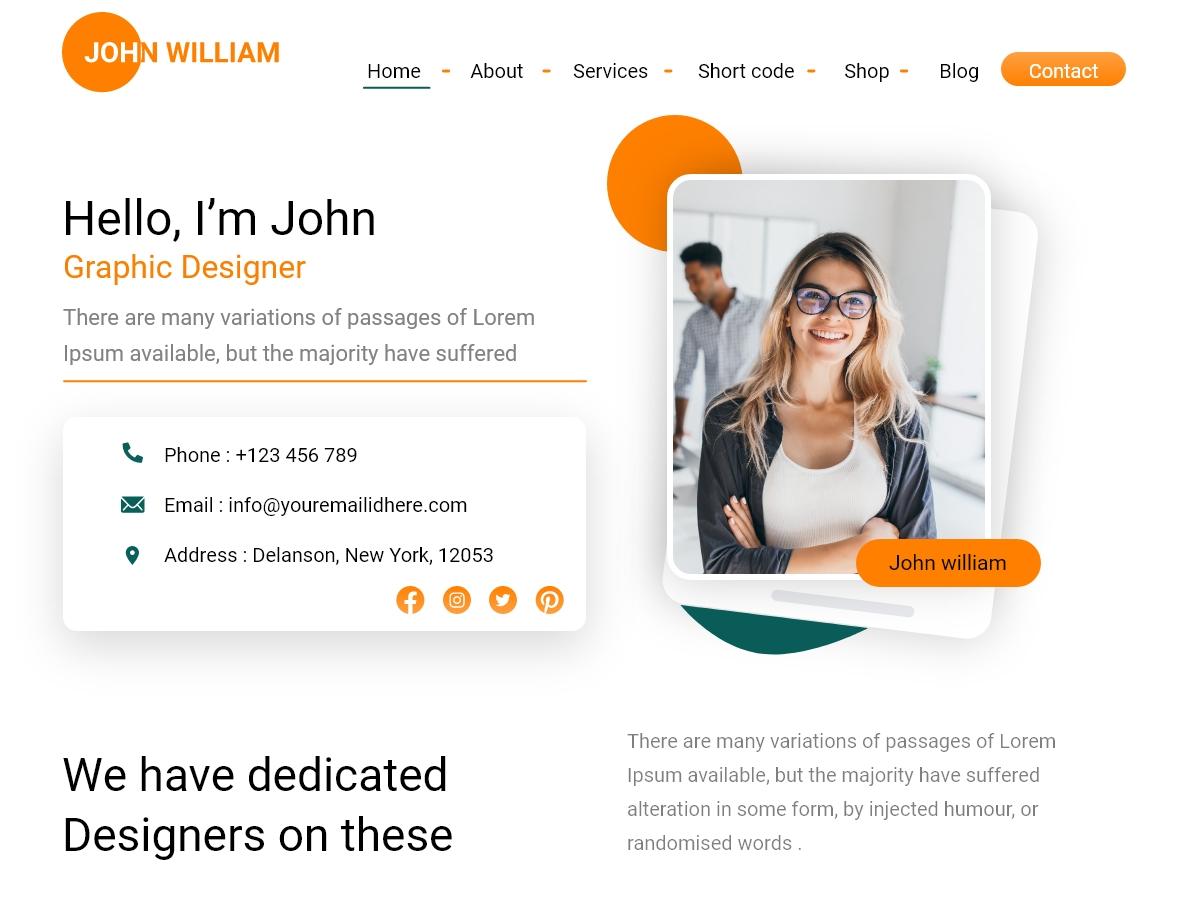
Creating a freelance portfolio is an essential step in showcasing your skills and attracting potential clients. Your portfolio should be a reflection of your unique style and capabilities, effectively demonstrating what you can offer. Consider including a mix of elements such as:
- High-quality samples of your work tailored to your niche
- Case studies that highlight the process and results of your key projects
- Testimonials from satisfied clients
- A personal bio that encapsulates your journey and expertise
When building your portfolio, the layout is crucial. It should be visually appealing and easy to navigate, allowing visitors to grasp your capabilities quickly. Consider utilizing the following table to outline the key components that should be included in each portfolio piece:
| Element | Description |
|---|---|
| Project Title | A succinct name that captures the essence of the work. |
| Type of Work | Indicate whether it is writing, design, photography, etc. |
| Date Completed | Showcase your most recent work to highlight your ongoing development. |
| Skills Utilized | List specific skills that were relevant to the project. |
Freelance Contract Templates
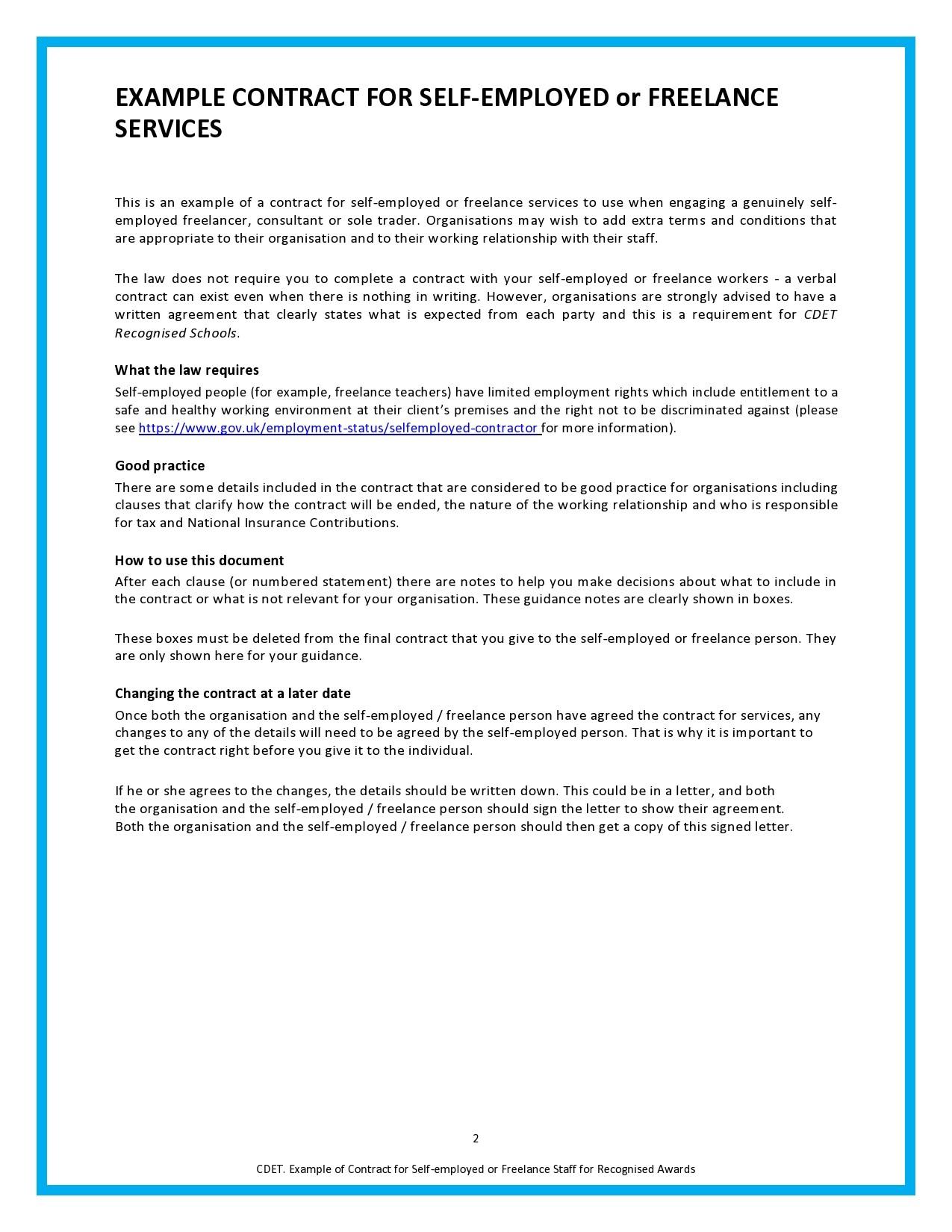
In the world of freelancing, having a clear and comprehensive contract is more than just a formality; it’s a critical tool that establishes mutual understanding between you and your clients. Properly structured ensure that both parties are aligned in terms of expectations and deliverables. Consider including elements such as:
- Scope of Work: Define the specific tasks and services you will provide.
- Payment Terms: Outline how and when payments will be made.
- Deadlines: Set clear timelines for project milestones.
- Revisions: Specify how many rounds of revisions are included.
- Termination Clause: Detail the conditions under which either party can terminate the agreement.
Utilizing effective templates helps streamline your onboarding process, ensuring you and your client are on the same page from the start. Here’s a quick comparison of common freelance contract types that you may find useful:
| Contract Type | Best For | Main Features |
|---|---|---|
| Hourly Rate | Project-based work | Flexible pricing based on time spent |
| Fixed Price | Specific deliverables | Agreed amount for complete project |
| Retainer | Long-term relationships | Consistent workload over time |
Freelance Time Management
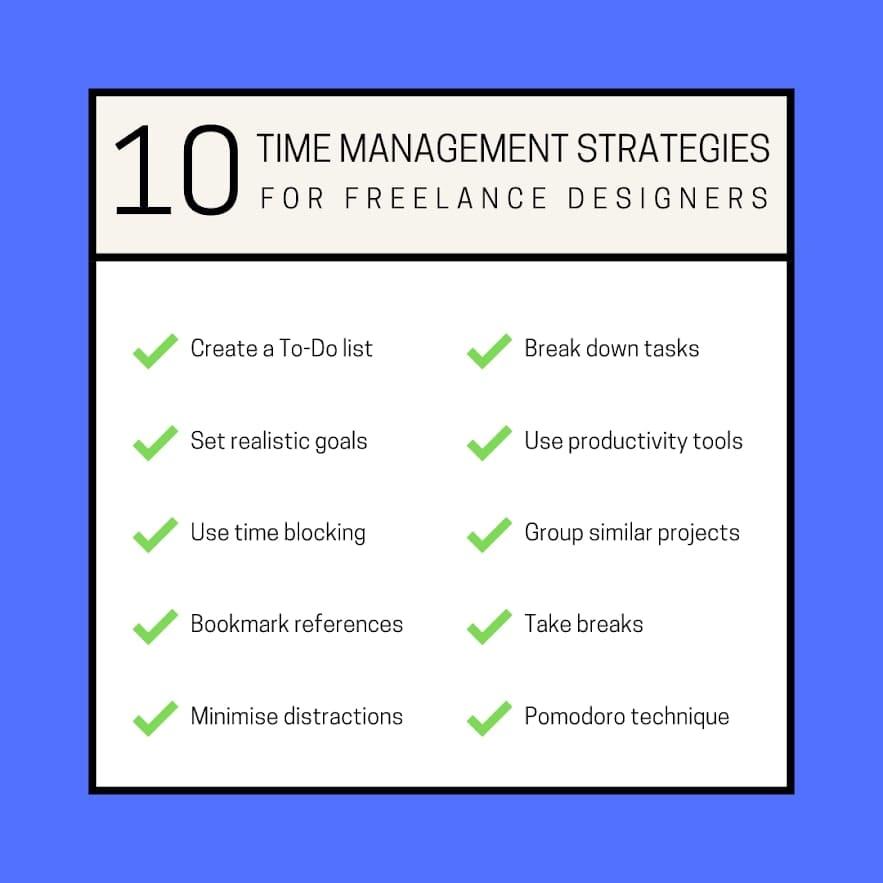
Balancing multiple projects while maintaining a fulfilling personal life can be a daunting task for freelancers. To effectively manage your time, consider integrating the following strategies into your routine:
- Prioritize Tasks: Use the Eisenhower Matrix to distinguish between what’s urgent and important, helping you focus on high-impact tasks first.
- Set Clear Boundaries: Define your working hours and stick to them, ensuring you have adequate time for rest and personal activities.
- Leverage Technology: Utilize apps and tools such as Trello or Asana to keep track of deadlines and project progress, simplifying your workflow.
Moreover, consider adopting a time-blocking approach, where you allocate specific hours for different types of work. This technique not only minimizes distractions but also creates a conducive atmosphere for deep work. For a clearer understanding of how to optimize your daily routine, you might refer to the table below:
| Time Block | Activity | Focus Level |
|---|---|---|
| 8 AM – 10 AM | Content Creation | High |
| 10 AM – 11 AM | Email Correspondence | Medium |
| 11 AM – 1 PM | Client Meetings | High |
| 1 PM – 2 PM | Lunch Break | Low |
| 2 PM – 5 PM | Project Development | High |
Freelance Networking
In the vast sea of freelancing, establishing meaningful connections can be the lifeboat that keeps you afloat. Engaging with fellow freelancers, potential clients, and industry professionals goes beyond the occasional “hello” on social media. It involves building authentic relationships that can lead to collaborations, referrals, and invaluable insights. Here are some effective strategies to cultivate your networking efforts:
- Attend Local Meetups: Find or create networking events in your area focused on your niche.
- Utilize Online Platforms: Join forums, LinkedIn groups, or websites specifically for freelancers.
- Participate in Webinars and Workshops: Share and learn valuable skills while connecting with peers.
- Offer Your Services: Consider collaborating pro bono or at a reduced rate to expand your network while showcasing your talents.
To manage and track your connections effectively, consider creating a simple spreadsheet that monitors significant interactions. This method can help maintain a proactive approach to your networking endeavors. Below is a basic example:
| Name | Contact Method | Date Connected | Notes |
|---|---|---|---|
| Jane Doe | 01/10/2023 | Coffee chat, interested in collaboration. | |
| John Smith | 01/15/2023 | Shared project ideas; follow up next month. |

Freelancing in Tech
In the fast-paced world of technology, the ability to forge genuine connections can be a game-changer for freelancers. Networking isn’t merely attending events and handing out business cards; it involves creating meaningful relationships that can lead to collaborations, referrals, and valuable insights. To effectively build these bridges, consider the following approaches:
- Leverage LinkedIn: Share your projects, engage with content, and connect with industry leaders.
- Participate in Online Communities: Join forums and social media groups where tech professionals gather.
- Attend Virtual Meetups: Make the most of webinars and online conferences to expand your circle.
Additionally, maintaining these connections is just as vital as establishing them. Follow up consistently with your contacts to ensure you remain fresh in their minds, and be open to offering assistance when possible. Here’s a simple structure to help organize your networking efforts:
| Action Item | Frequency | Notes |
|---|---|---|
| Reach out to a contact | Monthly | Share updates and ask how they’re doing. |
| Engage in discussions | Weekly | Comment on posts and join conversations. |
| Attend events | Quarterly | Choose relevant industry events and workshops. |

Freelance Taxes and Accounting
For freelancers, understanding taxes and accounting is crucial for sustainable success. Navigating the financial aspects of your business requires diligence and precision. Here are some essential considerations:
- Keep Accurate Records: Maintain detailed records of all income sources and expenses. This includes invoices, receipts, and any relevant financial documents.
- Understand Your Tax Obligations: Familiarize yourself with local, state, and federal tax requirements to avoid penalties and ensure compliance.
- Set Aside Money for Taxes: Allocate a portion of your income for tax payments to avoid last-minute scrambles during tax season.
- Consider Hire a Professional: If the numbers seem overwhelming, hiring an accountant or tax professional can save you time and money.
When it comes to managing your finances, leveraging tools can also make a significant difference. Below is a comparison of popular accounting software for freelancers:
| Software | Price | Features |
|---|---|---|
| QuickBooks | $25/mo | Invoicing, expense tracking, tax calculations |
| FreshBooks | $15/mo | User-friendly interface, time tracking, reporting |
| Xero | $11/mo | Bank reconciliation, inventory tracking, project management |

Freelance Client Retention
Establishing a lasting relationship with clients is essential for any freelancer aiming for long-term success. Rather than viewing each project as a one-off transaction, consider every client as an opportunity to foster a partnership that can yield repeated work and referrals. To achieve this, focus on building trust through consistent communication, timely delivery, and high-quality work. Demonstrating reliability not only enhances your professional reputation but also makes clients more likely to turn to you for future projects.
In addition to providing excellent service, actively nurturing these connections can significantly improve client retention. Some strategies include:
- Regularly checking in with past clients to see how they are doing.
- Offering periodic updates on your skills or services.
- Sending personalized thank-you notes after project completion.
- Creating exclusive offers for returning clients.
Furthermore, consider maintaining a simple tracking system that categorizes your clients based on their interaction level and project history. This can help you strategize your follow-up approaches, ensuring that no one feels neglected.
| Client Engagement Level | Action Item |
|---|---|
| High | Schedule regular check-ins |
| Medium | Send service updates and offers |
| Low | Personalized follow-up messages |

Freelancing Full-Time vs Part-Time
Deciding to freelance full-time or part-time often hinges on personal circumstances and career goals. Full-time freelancing offers the thrill of complete autonomy, allowing you to immerse yourself in projects and build lasting relationships within your industry. With a consistent flow of work, you can sharpen your skills and expand your professional network more effectively. However, it comes with its own set of challenges, such as managing your own benefits and navigating a fluctuating income. This route requires a strong sense of self-discipline and commitment to ensure steady growth and sustained creativity.
On the other hand, part-time freelancing can serve as a lucrative supplement to a stable income from a traditional job. This approach allows for greater flexibility, letting you maintain a balance between your freelance work and personal life. Freelancers starting part-time often have the luxury of testing the waters in various industries and niches, gradually honing their expertise. With this model, networking can be approached more casually, but it’s essential to prioritize building relationships during the limited time you allocate to your freelance ventures. Create connections that nurture your growth without overwhelming your schedule.

Freelance Job Boards
In the sprawling digital landscape where freelancers converge, job boards serve as bustling marketplaces, offering opportunities for collaborations that transcend geographical boundaries. These platforms not only connect talented individuals with potential clients but also foster a community where skills can flourish. To navigate this vibrant ecosystem effectively, familiarizing yourself with the leading job boards is crucial. Consider exploring:
- Upwork – A versatile platform catering to various skill sets, offering both short-term and long-term projects.
- Freelancer – Known for competitive bidding, this site allows freelancers to showcase their expertise across multiple categories.
- Fiverr – A hub for creative services, where freelancers can offer packages and showcase their unique skills.
- PeoplePerHour – A platform that connects businesses with freelancers on an hourly basis, particularly useful for urgent tasks.
However, navigating these platforms requires strategy and intention. Crafting a standout profile is imperative; your biography should reflect not just your skills but also your unique personality and approach to work. Moreover, building your network within these boards can unlock hidden opportunities. Engage with other freelancers and clients by:
- Participating in discussions – Join forums and chat groups to exchange insights and advice.
- Seeking feedback – Request reviews on your profile from clients to bolster your credibility.
- Collaborating on projects – Find fellow freelancers to team up with for larger contracts.
Freelance Branding Strategies
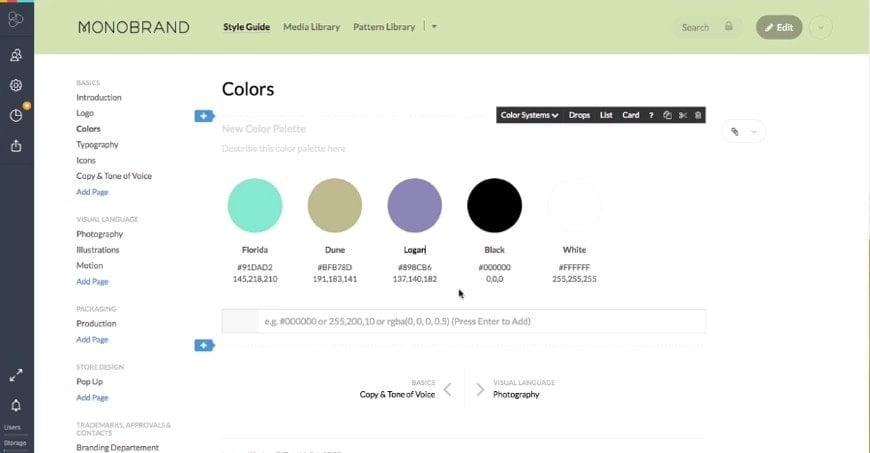
In the world of freelancing, branding serves as a crucial pillar for establishing trust and visibility. When you think about your brand, consider not just your services, but also the message you convey through your online presence. Building a cohesive visual identity—complete with a logo, color palette, and typography—can help create a lasting impression. Moreover, actively curating your online portfolio and social media profiles allows potential clients to quickly grasp your style and expertise. Think about these essential elements as you craft your narrative:
- Consistency: Maintain uniformity in all your branding materials.
- Authenticity: Let your true self shine through your work and communication.
- Engagement: Build relationships by interacting with your audience through comments, messages, and social shares.
Another key component in successful branding is the development of a strong network. Engage with fellow freelancers and industry professionals by attending workshops, webinars, and conferences, either virtually or in-person. These connections can lead to referral opportunities and collaborations that enhance your visibility. Consider hosting or participating in local meet-ups to expand your reach. Below is a simple table that outlines potential networking platforms and their unique characteristics:
| Platform | Purpose | Best For |
|---|---|---|
| Professional networking and branding | Industry connections | |
| Visual storytelling and engagement | Creatives and artists | |
| Meetup | In-person networking events | Local connections and collaborations |

Freelancing in Graphic Design
Venturing into the realm of freelance graphic design is not just about honing your artistic skills; it’s equally about weaving a network that both inspires and supports your journey. The graphic design community is as much a tapestry of relationships as it is a canvas of creativity. Cultivating connections with other designers, clients, and industry professionals can lead to collaboration opportunities and valuable insights. Consider engaging with your peers through various channels:
- Social Media Platforms: Utilize sites like Instagram and Behance to showcase your work and connect with fellow creatives.
- Networking Events: Attend design meetups, workshops, and conferences to meet potential clients and collaborators face-to-face.
- Online Forums: Participate in graphic design forums and groups to share experiences and seek advice from seasoned professionals.
Moreover, nurturing professional relationships goes beyond mere acquaintanceship; it’s about creating lasting partnerships. Establishing connections with mentors or peers can elevate your work and career trajectory by opening doors to freelance gigs and referrals. To assist in managing these valuable connections, consider a simple tracking system:
| Name | Type of Connection | Date of Last Contact | Next Steps |
|---|---|---|---|
| Jane Doe | Mentor | 2023-09-15 | Follow up for a coffee chat |
| John Smith | Client | 2023-08-30 | Check in about upcoming projects |
| Emily Wang | Peer | 2023-09-10 | Explore collaboration on a new project |
Freelance Personal Development
In the world of freelancing, networking is not just a means of connecting with clients, but also an invaluable tool for personal development. Engaging with others in your field opens doors to new ideas, strategies, and opportunities. To cultivate a thriving network, consider embracing the following approaches:
- Attend Industry Events: Conferences, workshops, and meetups are excellent venues to meet like-minded individuals who can inspire and challenge you.
- Leverage Social Media: Platforms like LinkedIn, Twitter, and niche-specific forums can help you engage with professionals, share your work, and gain insights.
- Join Local Freelance Groups: Connecting with local freelancers can lead to fruitful collaborations and partnerships.
- Volunteer for Projects: Offering your skills for free can help expand your network while enriching your portfolio.
As you build connections, focus not just on what you can gain, but also on what you can give. Establish genuine relationships by sharing resources, offering assistance, and providing feedback. Here’s a simple framework to help you refine your networking approach:
| Networking Strategy | Purpose | Outcome |
|---|---|---|
| Host Coffee Chats | Build relationships | Stronger connections |
| Participate in Online Discussions | Share expertise | Visibility in the community |
| Follow Up | Maintain connections | Lasting partnerships |
Freelance Income Diversification
In the ever-evolving landscape of freelancing, relying on a single source of income can be a risky endeavor. Diversification not only mitigates financial uncertainty but also opens doors to new opportunities. Consider these strategies for enhancing your freelance income:
- Expand Your Skill Set: Investing in new skills or certifications can help you tap into different markets and attract a wider array of clients.
- Create Passive Income Streams: Think about ways to generate income without consistent effort, such as online courses or e-books based on your expertise.
- Collaborate with Other Creatives: Joint ventures can lead to originating new products or services, allowing you to combine strengths and reach larger audiences.
Diversification isn’t just about broadening your services or income streams; it’s also about understanding the various niches within your chosen field. Here’s a quick comparison table to illustrate potential avenues for income within a freelance writing career:
| Specialty | Potential Income | Client Type |
|---|---|---|
| Blog Writing | $100 – $500 per post | Businesses, Brands |
| Copywriting | $200 – $800 per project | Agencies, Corporations |
| Technical Writing | $300 – $1,000 per document | IT Companies, Manufacturers |
| Editing and Proofreading | $50 – $150 per document | Authors, Students |
Freelance Career Growth
Successfully navigating the freelance landscape requires more than just honing your craft; it necessitates cultivating relationships that propel your career forward. Networking is the lifeblood of freelancing, enabling you to tap into new opportunities and resources. To create lasting connections, consider participating in a variety of networking avenues, such as:
- Industry Events: Attend conferences, workshops, and meetups related to your field.
- Online Communities: Engage in forums, social media groups, and platforms dedicated to freelancers.
- Collaborative Projects: Partner with other professionals on projects to showcase your skills and build rapport.
To make the most of networking, it’s essential to approach it with authenticity and intention. Building genuine relationships prioritizes quality over quantity, leading to more fruitful collaborations in the long run. Here are some strategies for effective networking:
| Strategy | Tip |
|---|---|
| Follow-up | Reach out after events, referencing a shared topic of conversation. |
| Offer Value | Share insights, resources, or introductions to help others succeed. |
| Stay Consistent | Engage regularly with your network to maintain connections. |
Freelance Market Trends 2024
The freelance landscape in 2024 is characterized by a growing emphasis on community-driven platforms and a shift towards niche marketplaces. As businesses increasingly seek specialized skills, freelancers who can effectively position themselves in these markets are more likely to thrive. This year will see a rise in platforms that cater to specific industries, allowing freelancers to showcase their expertise, build targeted networks, and connect directly with potential clients. Successful freelancers will need to leverage these niche communities to gain visibility and establish their reputations.
Moreover, the trend of remote collaboration tools is reshaping the way freelancers connect and work with clients and peers. Enhanced communication software and project management tools are enabling seamless collaboration across geographies, leading to the formation of more dynamic and diverse teams. Freelancers must stay abreast of these technological advancements to optimize their workflows and enhance their networking strategies. Taking advantage of online events, webinars, and virtual meetups will be essential for freelancers aiming to build relationships and expand their professional circles in this evolving market.
Key Takeaways
As we close this exploration of “Building Bridges: The Art of Freelance Networking,” it’s essential to remember that every connection is a new thread in the vast tapestry of your professional journey. Networking is not merely an exchange of business cards or LinkedIn invitations; it’s about fostering genuine relationships that can inspire collaboration, ignite creativity, and propel your freelance endeavors to new heights.
By being intentional and authentic in your outreach, you create a community that supports and uplifts you as you navigate the freelance landscape. So, as you step forward, armed with the insights gleaned from this article, approach each networking opportunity with openness and curiosity. Embrace the art of connection, and watch as the bridges you build open doors to exciting new possibilities. After all, in the world of freelancing, it’s not just about what you know, but who you know—and the meaningful connections you forge along the way.