

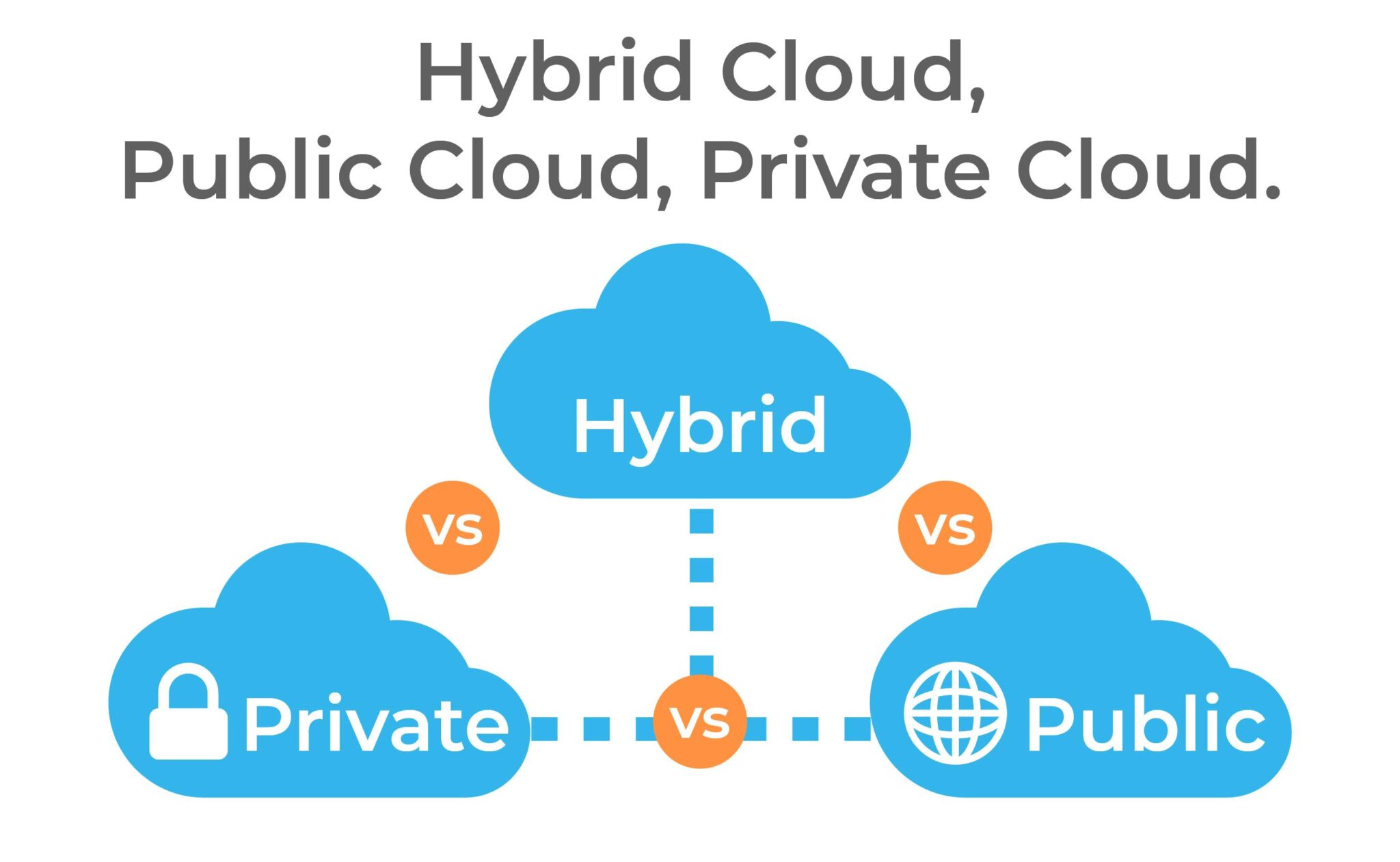

In an era where agility, scalability, and innovation are the lifelines of business success, organizations are increasingly seeking solutions that empower their operations while safeguarding their data. Enter the realm of private cloud Software as a Service (SaaS) solutions—a transformative approach that harmonizes the robustness of private cloud infrastructure with the efficiency of SaaS applications. As enterprises navigate the complexities of digital transformation, the rise of private cloud SaaS is not just a trend; it’s a strategic imperativeness. This article delves into the factors fueling this evolution, exploring how private cloud SaaS solutions are revolutionizing the way businesses unlock their full potential while enhancing security, customization, and control. Join us as we unpack the nuances of this burgeoning landscape and envision a future where technology and organizational goals align seamlessly.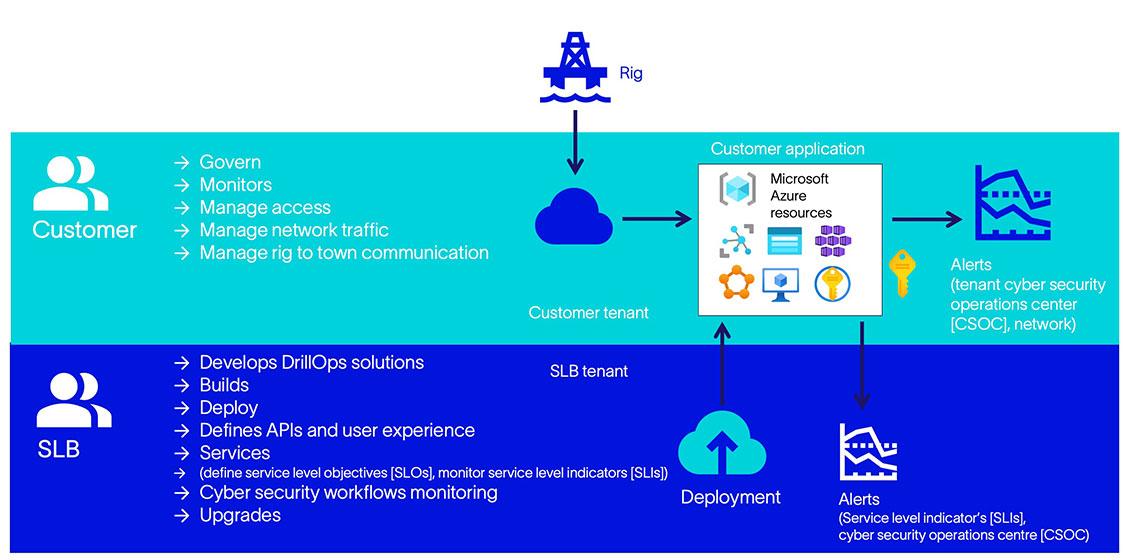
Exploring the Benefits of Private Cloud SaaS for Businesses
Private cloud SaaS solutions offer a range of advantages that can significantly enhance business operations. One of the most compelling benefits is the elevated level of security they provide. Since these solutions are hosted on dedicated servers, businesses can implement robust security measures tailored to their specific needs, protecting sensitive data from unauthorized access. This level of customization not only ensures compliance with industry regulations but also fosters trust among clients and stakeholders, knowing their data is safeguarded in a controlled environment.
Additionally, the flexibility and scalability of private cloud SaaS are invaluable for businesses navigating a dynamic market. Organizations can easily scale resources up or down based on demand, leading to more efficient resource management and cost savings. Key advantages include:
- Streamlined operations through automation and integration of processes.
- Improved collaboration through centralized access to applications and data.
- Enhanced performance with dedicated resources tailored to business needs.
To further illustrate these benefits, consider the following comparison of traditional hosting versus private cloud SaaS:
| Feature | Traditional Hosting | Private Cloud SaaS |
|---|---|---|
| Security | Standard security protocols | Customizable security measures |
| Scalability | Limited, often requires hardware upgrades | Dynamic scaling based on usage |
| Cost Efficiency | Predictable costs with potential over-provisioning | Pay-as-you-go model, cost-effective resource allocation |
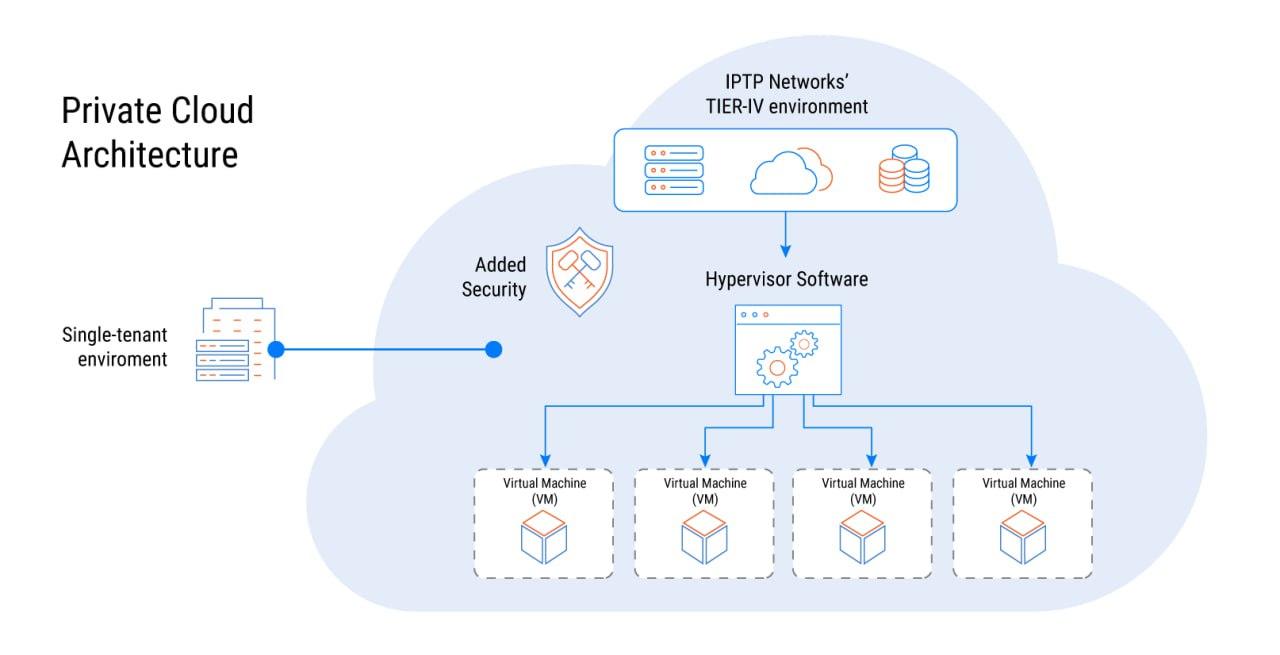
Navigating Security and Compliance in Private Cloud Environments
As organizations increasingly migrate to private cloud environments, the emphasis on security and compliance grows paramount. Unlike public clouds, private clouds offer a controlled setting where businesses can tailor their security protocols to meet specific needs. This customization extends to data encryption, identity management, and access controls, ensuring that sensitive information remains secure from unauthorized access. Key best practices for enhancing security and compliance in these environments include:
- Regular Audits: Conduct frequent audits to assess vulnerabilities and compliance with regulations.
- Data Governance: Establish strong data governance frameworks to ensure that data management policies align with regulatory requirements.
- Policy Automation: Implement automated compliance tools to streamline monitoring and reporting processes.
Maintaining compliance, especially in industries like finance and healthcare, where regulations are stringent, necessitates an ongoing commitment to best practices. The ability to swiftly adapt to changing regulations is crucial, and utilizing modern SaaS tools within private cloud infrastructures can significantly aid in this adaptability. Consider the following considerations for achieving compliance:
| Compliance Factor | Importance |
|---|---|
| Data Privacy | Ensures customer trust and legal adherence |
| Access Control | Prevents unauthorized data access |
| Incident Response | Minimizes damage during security breaches |
Incorporating these strategic aspects not only fortifies security in private clouds but also lays a solid foundation for compliance with necessary regulations, allowing businesses to unlock the full potential of their private cloud SaaS solutions.
Tailoring Solutions: Customization Options for Enhanced Performance
Today’s businesses demand flexibility and scalability, making customization a key factor in maximizing the benefits of private cloud SaaS solutions. With tailored options, organizations can adapt their software to meet specific operational needs and enhance overall productivity. Not only does this approach alleviate limitations imposed by generic tools, but it also fosters an environment where companies can innovate freely. A few popular customization options include:
- User Interface (UI) Personalization: Adjust the appearance and layout to suit user preferences.
- API Integrations: Seamlessly connect with existing systems for streamlined workflows.
- Feature Customization: Add or modify functionalities to align with unique business processes.
- Scalability Options: Tailor resource allocation and performance metrics based on demand.
Many SaaS providers also offer comprehensive service packages that encompass consultation, implementation, and ongoing support to ensure that users can effectively leverage their tailored solutions. Below is a brief comparison of various service offerings that highlight key elements that enhance user experience and performance:
| Provider | Customization Level | Support Type | Implementation Timeframe |
|---|---|---|---|
| Provider A | High | 24/7 Customer Support | 2-4 Weeks |
| Provider B | Medium | Email & Chat Support | 1-3 Weeks |
| Provider C | Low | Business Hours Support | 1 Week |
Maximizing ROI: Strategies for Successful Private Cloud Implementation
To effectively maximize return on investment during the implementation of private cloud solutions, it’s essential to align the technology with business objectives. A thorough understanding of your organization’s specific needs will guide the selection of a cloud platform that can efficiently support core functions. Consider conducting a comprehensive needs assessment followed by an analysis of the tools available. You may also want to prioritize features that enhance scalability, security, and management efficiency. Key strategies include:
- Implementing a phased deployment to reduce risk and allow for adjustments based on real-time feedback.
- Investing in training to ensure teams can leverage the cloud’s capabilities fully.
- Regularly reviewing cloud performance metrics to optimize resources and adjust strategies as needed.
Additionally, establishing strong governance frameworks is critical to ensure compliance and security in a private cloud environment. This involves creating clear policies around data management and user access. Effective collaboration with internal teams can enhance the transition process and maintain alignment with organizational goals. To illustrate the potential gains, consider the following table that summarizes key investment areas and anticipated ROI:
| Investment Area | Anticipated ROI |
|---|---|
| Infrastructure Optimization | 30% cost reduction |
| Enhanced Security Protocols | Reduced breaches by 50% |
| Employee Training | Increased productivity by 20% |
Closing Remarks
As we stand on the cusp of a new era in technology, the rise of private cloud SaaS solutions marks a pivotal moment in how businesses harness their digital potential. No longer constrained by the limitations of traditional infrastructures, organizations are now empowered to tailor their services, enhance security, and achieve unprecedented scalability. The journey toward embracing this transformative approach is not without its challenges, but the rewards are clear: enhanced efficiency, cost savings, and a strategic advantage in an ever-evolving marketplace.
In unlocking potential, private cloud SaaS solutions offer a pathway to innovation, allowing companies to pivot and adapt in a landscape marked by rapid change. As this model gains traction, it paves the way for a future where businesses can effectively address their unique needs while fostering collaboration and resilience. With a thoughtful approach and a commitment to continuous improvement, the possibilities are limited only by our imagination.
as we explore the shifting tides of cloud computing, let us remain open to the potential that lies ahead. The rise of private cloud SaaS is more than a technological trend; it’s a call to rethink the way we approach business challenges and opportunities. With the right solutions in place, organizations can indeed unlock new horizons and chart a course for success in the digital age. The future is bright, and it is ours to seize.