



In an era where digital landscapes are reshaping the realm of commerce, small businesses find themselves at a pivotal crossroads. The rise of e-commerce has not only transformed the way we shop but has also redefined opportunities for entrepreneurs and local enterprises. Gone are the days when a brick-and-mortar store marked the limit of a business’s reach; now, the virtual marketplace invites small business owners to expand their horizons and connect with customers across the globe. This article delves into the evolution of e-commerce and its role in empowering small businesses, exploring the myriad tools, strategies, and success stories that illuminate a path toward growth in an increasingly interconnected world. Join us as we navigate this digital revolution and discover how small businesses are leveraging technology to thrive in a competitive landscape, fostering innovation and resilience along the way.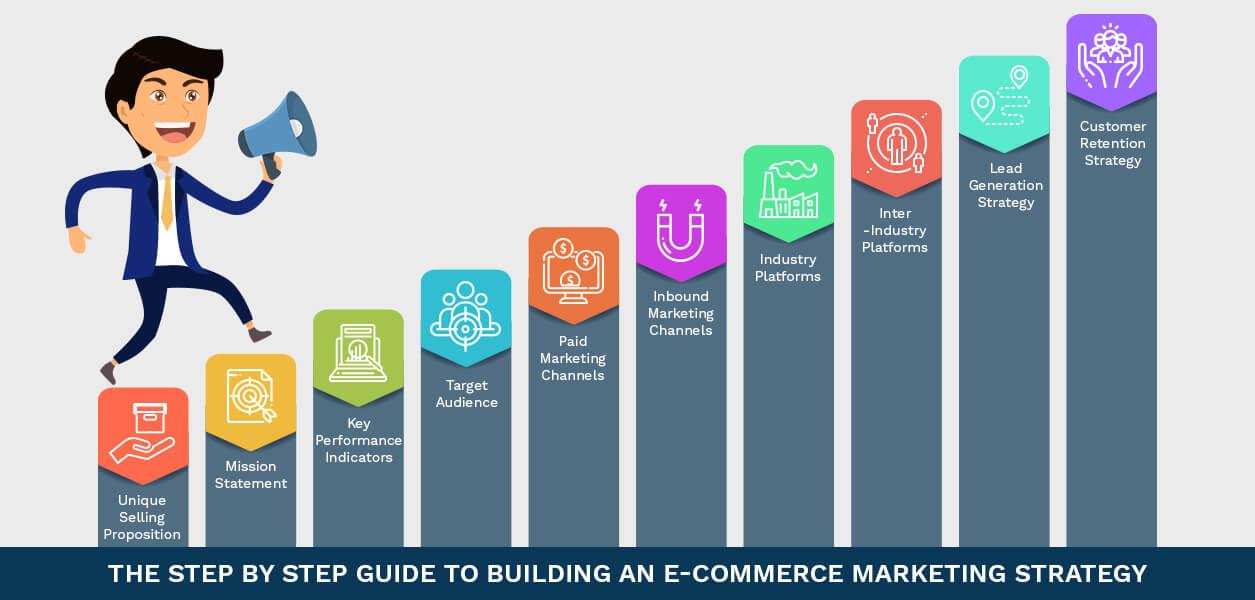
Navigating the E-Commerce Landscape: Strategies for Small Business Success
The e-commerce landscape is a dynamic terrain where small businesses can thrive by embracing change and innovation. To stand out in a crowded marketplace, it’s essential to focus on creating a personalized shopping experience for customers. This can be achieved by leveraging data analytics to understand consumer behavior, enabling businesses to tailor their offerings accordingly. Key strategies include optimizing your website for user experience, ensuring it is mobile-friendly, and incorporating advanced search features. Engaging with customers on social media platforms also fosters a sense of community and loyalty around your brand.
Moreover, collaboration is crucial for small business sustainability in the e-commerce world. Partnering with other local businesses can lead to mutually beneficial promotions, while participating in online marketplaces can increase visibility without the heavy costs of a standalone store. Additionally, implementing effective shipping solutions and customer service strategies can significantly enhance customer satisfaction and retention. Below is a simple comparison of some key elements to consider:
| Strategy | Benefits | Considerations |
|---|---|---|
| Personalization | Increased engagement and conversions | Requires data analysis and tools |
| Social Media Engagement | Builds community and boosts brand awareness | Time-intensive; requires consistency |
| Collaborative Promotions | Cost-effective marketing | May need alignment of brand values |

Harnessing Digital Marketing Tools: Amplifying Online Presence
In today’s fast-paced digital landscape, leveraging the right tools can significantly enhance a business’s online persona. A well-crafted strategy utilizing social media platforms, email marketing software, and SEO tools transforms the way small businesses engage with their audience. By focusing on platforms like Instagram, Facebook, and LinkedIn, businesses can create tailored content that resonates with their target demographic, fostering a community around their brand. Furthermore, tools such as Mailchimp or Constant Contact enable seamless communication, allowing businesses to send personalized messages to subscribers and keep customers informed about the latest offerings.
Utilizing analytics tools also offers invaluable insights into consumer behavior. By tracking website traffic, conversion rates, and user engagement, businesses can make data-driven decisions that enhance their marketing strategies. Here are some core benefits of employing these digital marketing tools:
- Increased visibility: Reach a broader audience across various digital channels.
- Cost-effectiveness: Optimize marketing budgets by focusing on high-performing strategies.
- Enhanced customer engagement: Foster stronger relationships through targeted communication.
- Real-time performance tracking: Adjust strategies on-the-go based on immediate feedback.
Building Customer Trust in the Virtual Marketplace: Best Practices for Small Enterprises
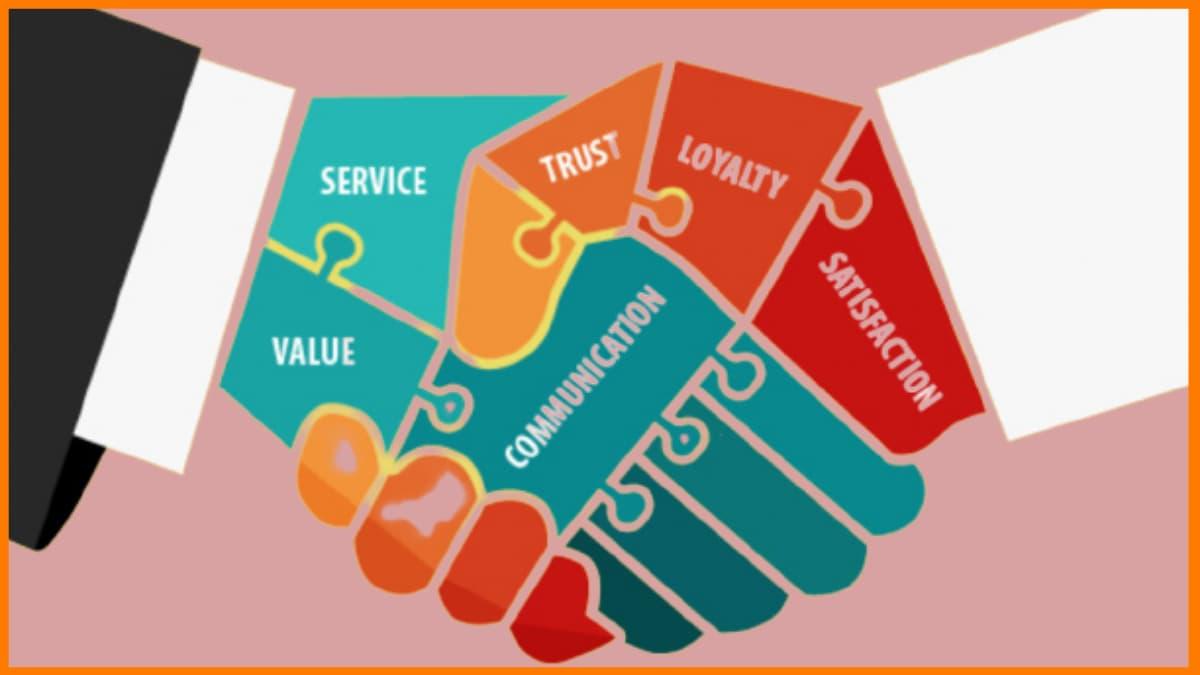
In today’s digital landscape, creating a trustworthy presence is essential for small enterprises looking to thrive in the e-commerce arena. One of the most effective ways to build rapport with customers is by showcasing transparency. This can be achieved through detailed product descriptions, user-generated reviews, and easy-to-understand return policies. Small businesses should also consider implementing secure and reliable payment methods, such as SSL certificates and trustworthy payment gateways, to instill confidence in their customers’ transactions.
Additionally, fostering customer engagement plays a pivotal role in trust-building. Engage your audience through multiple channels such as social media, email newsletters, and live chats. Encourage feedback and respond promptly to inquiries to show you value their opinions. Regularly updating your website with fresh content, promotions, and customer stories can strengthen your relationship with existing customers and attract new ones. Consider the following best practices:
- Utilize testimonials and case studies to showcase real customer experiences.
- Be active on social media to create a community around your brand.
- Maintain consistent branding across all platforms for recognizable identity.
- Build a responsive customer support system that meets consumer needs effectively.

Leveraging Data Analytics: Turning Insights into Actionable Growth Strategies
In today’s digital landscape, data analytics serves as a cornerstone for small businesses aiming to adapt and thrive in e-commerce. By harnessing vast amounts of data generated through online interactions, businesses can uncover patterns that allow them to customize their offerings more effectively. Through strategic analysis, they can identify their target audience’s preferences and behaviors, enabling them to create personalized marketing campaigns that resonate deeply. Key steps include:
- Data Collection: Gather customer data from various touchpoints, including website traffic, social media interactions, and purchase histories.
- Insight Generation: Analyze this data to uncover trends, preferences, and potential areas for growth.
- Action Planning: Develop targeted strategies based on insights to enhance customer engagement and increase conversion rates.
To visualize the impact of data-driven strategies, consider how a local vegan bakery utilized customer feedback and purchasing data to fine-tune their product offerings. By prioritizing their best-selling items and introducing new flavors based on trending ingredients, they can react in real-time to customer demand. This adaptability not only strengthens customer loyalty but also maximizes revenue potential. Here’s a small overview of their strategic changes and resulting performance :
| Strategy | Before Implementation | After Implementation |
|---|---|---|
| Data-Driven Product Selection | 10 products offered | 15 products offered |
| Customer Engagement Initiatives | Monthly promotions | Weekly targeted campaigns |
| Sales Growth | $5,000/month | $8,500/month |
The Way Forward
As we stand at the crossroads of technology and entrepreneurship, it’s clear that the e-commerce evolution has ushered in a new era for small businesses. Gone are the days when success was tethered to physical storefronts and local markets; today, ambition has the power to transcend borders and reach a global audience with just a few clicks. By embracing innovative tools and strategies, small business owners can not only adapt to the evolving landscape but also thrive within it.
The journey toward e-commerce empowerment is not merely about selling products; it’s about building communities, fostering connections, and creating meaningful experiences. As we look ahead, it’s essential to remember that the heart of any small business lies in its ability to innovate and respond to the ever-changing needs of consumers. Now, more than ever, the digital marketplace offers endless possibilities to expand horizons, inspire creativity, and cultivate lasting relationships.
In this age of transformation, let us champion the spirit of entrepreneurship, supporting the trailblazers who dare to dream big despite the challenges that may come their way. The evolution of e-commerce is not just a trend; it is a testament to resilience and ingenuity. As small businesses continue to adapt and flourish, we are reminded that the future of commerce is not just a destination—it’s a journey of empowerment, collaboration, and endless potential. So, let’s continue to explore this vibrant landscape together, celebrating the limitless opportunities that lie ahead!