


In today’s hyper-connected world, where social media reigns supreme and authenticity is the currency of influence, businesses are increasingly turning to influencer marketing as a powerful tool in their promotional arsenals. As brands vie for the attention of discerning consumers, the importance of a well-crafted influencer marketing strategy becomes paramount. But what does it truly mean to engage with an audience through this contemporary form of storytelling? This article delves into the art and science of creating a dynamic influencer marketing strategy, exploring the essential components that can elevate a brand’s presence and drive meaningful connections. From identifying the right influencers to fostering genuine partnerships, we will navigate the nuances of a landscape that is both rapidly evolving and rich with opportunity. Join us as we uncover the key elements that pave the way for success in the colorful world of influencer marketing.
Understanding Your Target Audience for Effective Influencer Alignment
To successfully align with the right influencers, it’s essential to delve deep into understanding your target audience. Start by gathering insights regarding demographics, interests, and behaviors that characterize your ideal customer. This data can inform your decision-making process and help you select influencers who resonate with these specific attributes. Key aspects to consider include:
- Age Group: Tailoring your influencer selection based on your audience’s age can significantly impact engagement.
- Gender: Understanding gender dynamics can help in aligning with influencers who appeal to your primary customer base.
- Interests: Look for influencers who share similar interests with your audience to foster authenticity.
Additionally, harnessing tools such as social listening and audience analytics can provide valuable insights into the conversations happening around your brand. By creating buyer personas, you can visualize your ideal customers, which will serve as a guiding framework when choosing influencers. Consider categorizing influencers based on their audience engagement metrics:
| Influencer Type | Engagement Rate | Follower Count |
|---|---|---|
| Micro-Influencers | 5-10% | 1k – 100k |
| Mid-Tier Influencers | 3-5% | 100k – 500k |
| Macro-Influencers | 1-3% | 500k+ |

Identifying the Right Influencers to Elevate Your Brand Narrative
Choosing the right influencers can significantly shape your brand narrative and elevate your marketing strategy. It’s essential to focus on influencers whose values align with your brand and who resonate with your target audience. Begin by conducting thorough research to identify key characteristics of potential influencers, such as:
- Audience Engagement: Look for influencers with a genuine connection to their followers, ensuring they foster active discussions and interactions.
- Content Relevance: Their content should complement your brand’s messaging and aesthetics to create a seamless collaboration.
- Authenticity: Influencers who maintain a genuine persona tend to drive more trust and loyalty among their audience.
To further streamline your selection process, consider utilizing a tracking spreadsheet to evaluate and compare potential influencers. This can include various metrics such as follower count, engagement rate, and previous collaboration success rates. Here’s a simple structure you can employ:
| Influencer Name | Follower Count | Engagement Rate (%) | Previous Collaborations |
|---|---|---|---|
| Jane Doe | 150K | 4.5 | 3 successful campaigns |
| John Smith | 200K | 6.1 | 5 successful campaigns |
By assessing these factors and metrics, you can make calculated decisions that will not only elevate your brand narrative but also lead to successful influencer partnerships that resonate with your target audience.

Building Authentic Partnerships That Drive Engagement and Trust
To create enduring connections that resonate with your audience, it’s essential to forge partnerships that are authentic, transparent, and mutually beneficial. These relationships should transcend mere transactions, focusing instead on shared values and genuine engagement. Influencers who embody your brand ethos can articulate your message in an organic way, fostering trust and loyalty among their followers. Here are key elements to consider in building these partnerships:
- Shared Values: Align with influencers whose beliefs resonate with your brand’s mission.
- Open Communication: Establish clear lines of dialogue to ensure mutual understanding and collaboration.
- Community Engagement: Prioritize influencers who actively engage with their audience to build a sense of community.
- Long-term Collaborations: Focus on sustained partnerships rather than one-off campaigns to deepen trust and engagement.
Moreover, cultivating genuine partnerships requires ongoing investment in relationships. By creating a framework for collaboration, brands can drive engagement and authenticity. Consider implementing a structured approach through the following practices:
| Practice | Description |
|---|---|
| Content Co-Creation | Collaborate on campaigns that allow influencers to express creativity aligned with your brand. |
| Feedback Mechanism | Incorporate regular feedback sessions to refine strategies and enhance partnerships. |
| Data Sharing | Provide insights on analytics to support decision-making and optimize performance. |
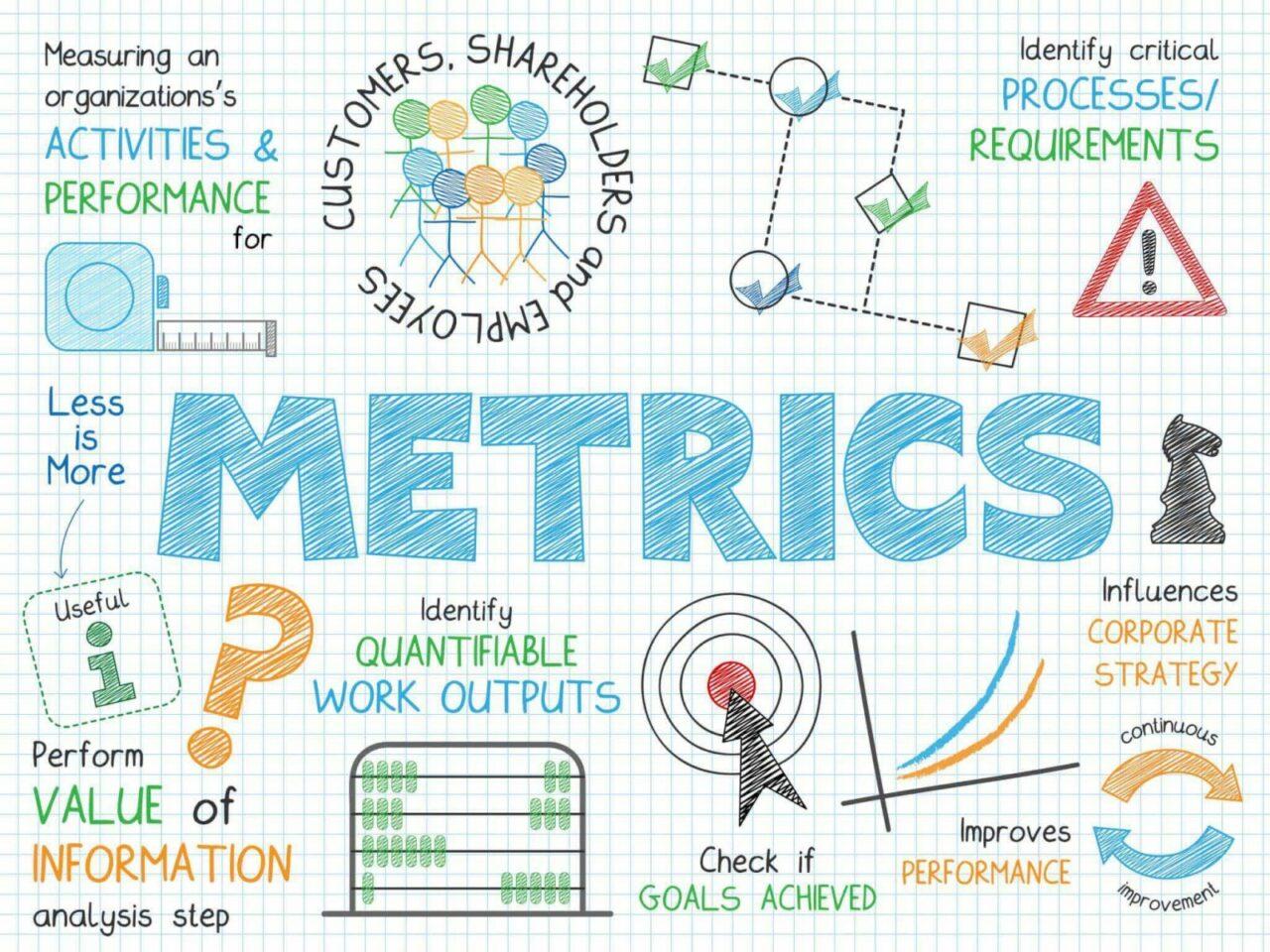
Measuring Success Through Metrics and Continuous Improvement Strategies
To gauge the effectiveness of your influencer marketing efforts, establishing key performance indicators (KPIs) is essential. These metrics help in assessing not only the reach and engagement of your campaigns but also their overall impact on your brand’s goals. Consider tracking the following metrics to create a comprehensive overview:
- Engagement Rate: Measures likes, shares, comments, and overall interaction with influencer posts.
- Conversion Rate: Tracks how many users took a desired action after engaging with the influencer’s content.
- Return on Investment (ROI): Assesses the financial effectiveness of your campaigns in relation to the investment made.
- Brand Mentions: Monitors how often your brand is mentioned across various platforms due to the influencer’s reach.
Once you have your metrics in place, the next step is to apply continuous improvement strategies that refine your approach. Regular analysis of your data will reveal trends and insights, allowing for tactical adjustments as needed. To effectively implement this, maintain a structured feedback loop involving:
| Strategy | Description |
|---|---|
| Regular Reporting | Weekly or monthly reports to review performance metrics. |
| Campaign A/B Testing | Experimenting with different influencer partnerships or content formats. |
| Community Feedback | Gathering audience insights to understand preferences and trends. |
| Iterative Strategy Adjustments | Molding campaigns based on real-time data and feedback. |
The Way Forward
crafting a dynamic influencer marketing strategy is akin to composing a symphony; it requires harmony between brand objectives, audience insights, and authentic partnerships. As the digital landscape continues to evolve, staying attuned to the rhythms of emerging trends and shifting consumer behaviors will empower brands not only to resonate deeply but to thrive in the competitive marketplace. By leveraging collaboration, creativity, and data-driven insights, you hold the key to unlocking impactful campaigns that forge meaningful connections. As you embark on this journey, remember that the heart of influencer marketing lies in authenticity and engagement. So, take bold steps, adapt, and watch as your strategy transforms into a powerful catalyst for success, inspiring brand loyalty and sparking genuine conversations. Now is the time to elevate your brand’s voice and influence; embrace the potential that lies ahead.